Fermtech Mini Auto-Siphon Kit: Check the Fit Before Bottling
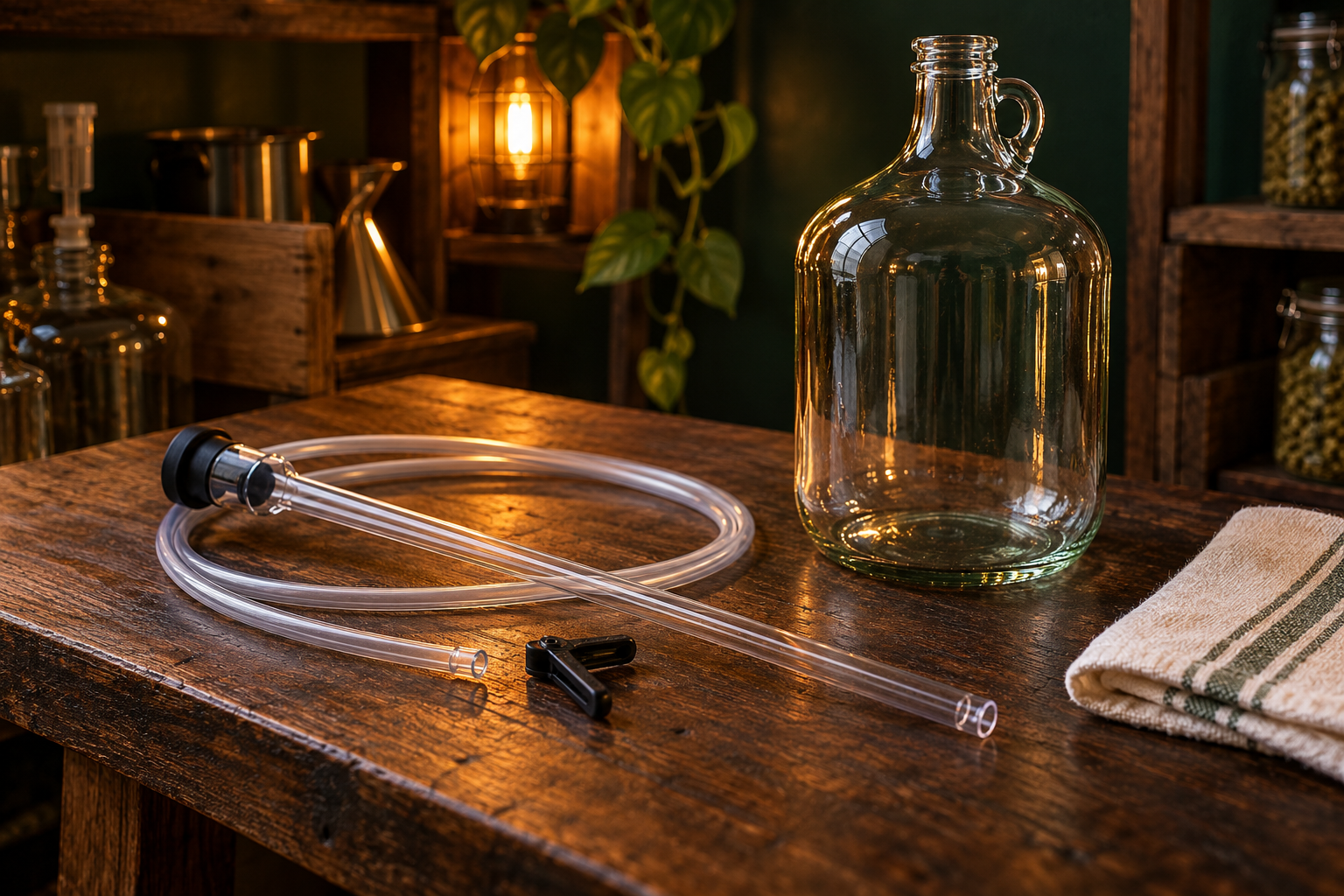
Reviewed and updated: November 10, 2026If a full-size siphon feels clumsy in your small fermenter, the Fermtech Auto-Siphon Mini kit is worth a look. We’d consider it when…
Reviewed and updated: November 10, 2026If a full-size siphon feels clumsy in your small fermenter, the Fermtech Auto-Siphon Mini kit is worth a look. We’d consider it when…
Reviewed and updated: November 10, 2026The best reason to keep brew notes is that lovely moment when you taste a beer and think, “I’d like to make that…
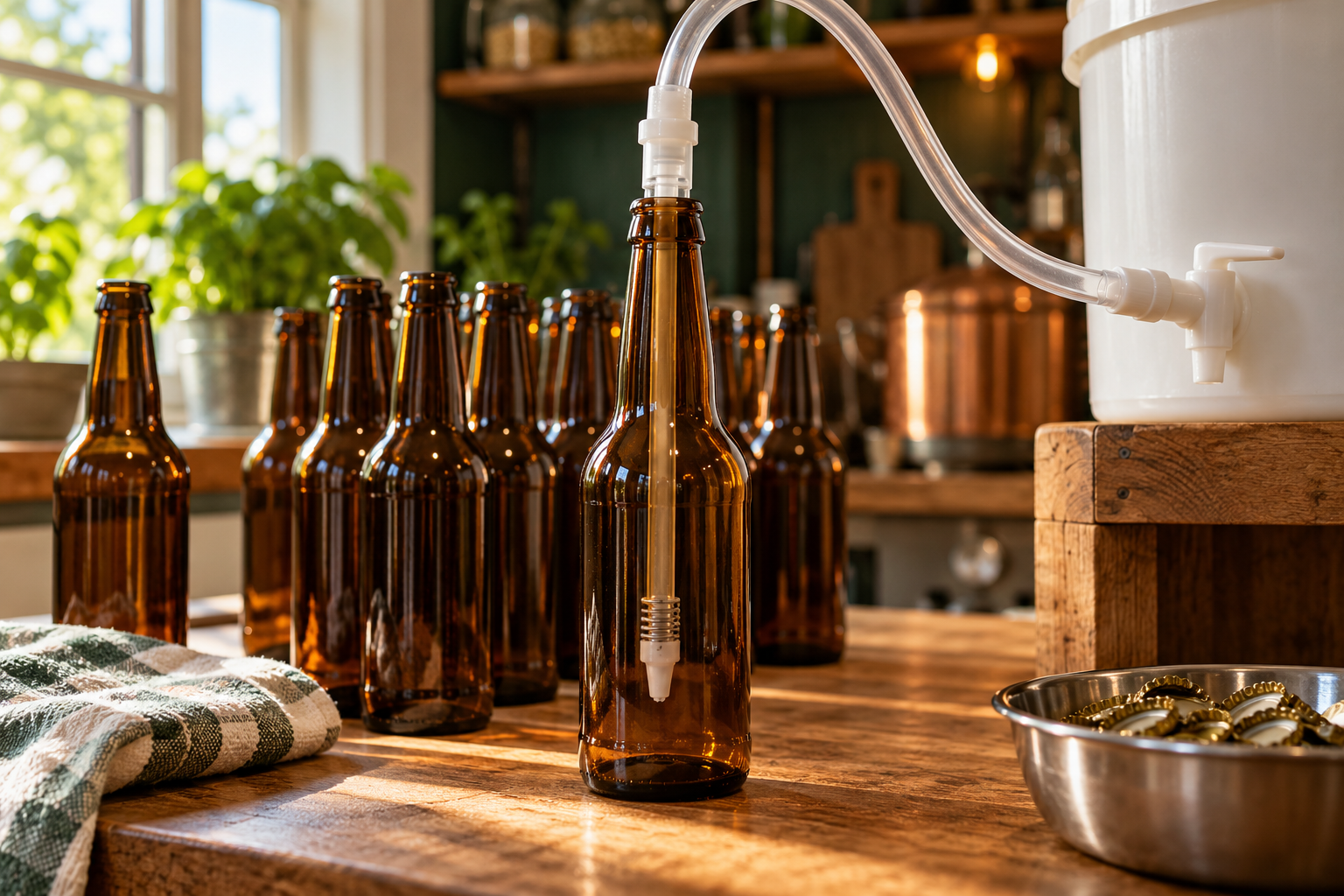
Reviewed and updated: November 11, 2026If you bottle homebrew from a bucket, a spring-tip filler is an easy way to give yourself more control between bottles. We’d keep…
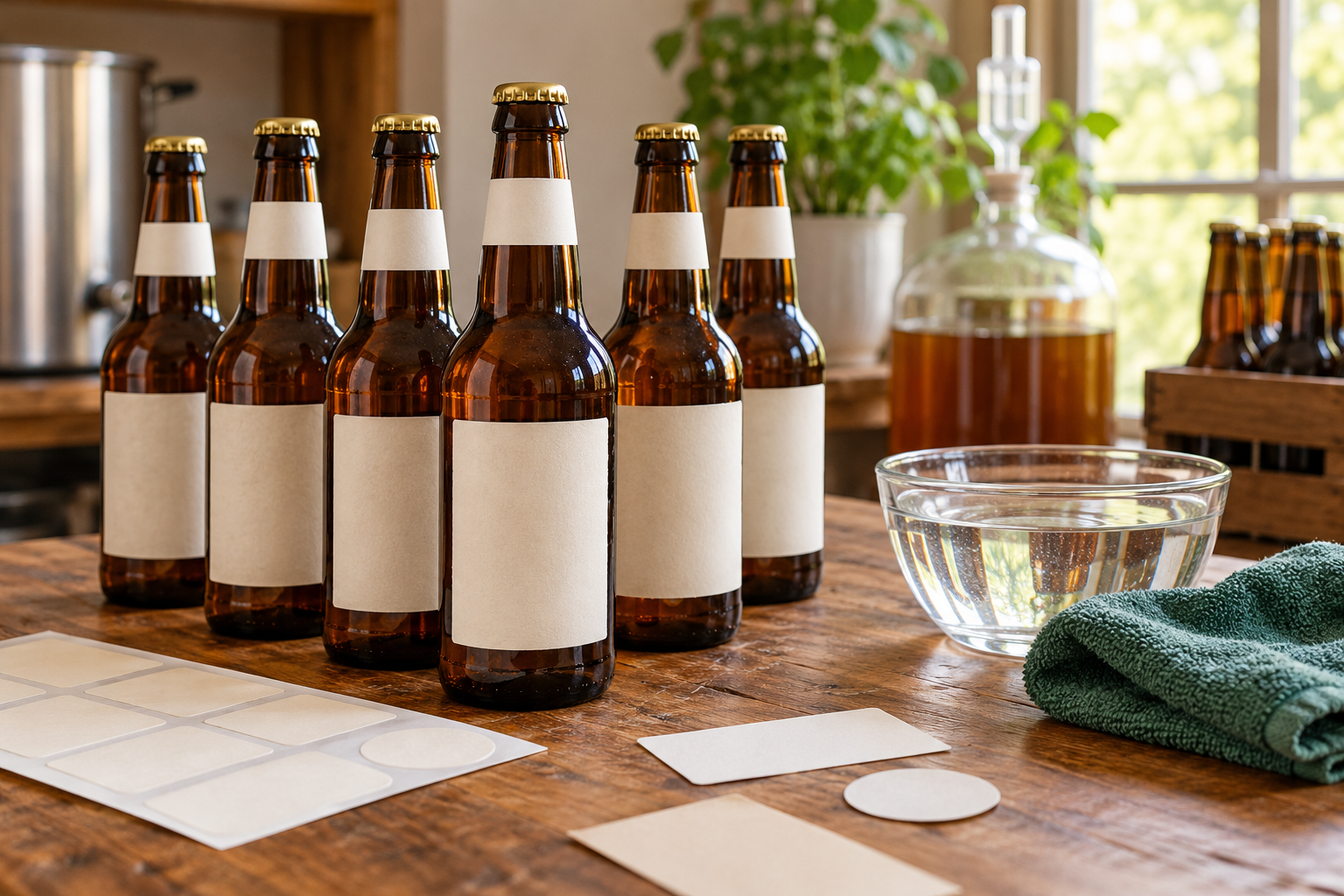
Reviewed and updated: November 11, 2026For bottles you’re going to reuse, we’d start with a neck tag or a label made to peel off cleanly. You get the…
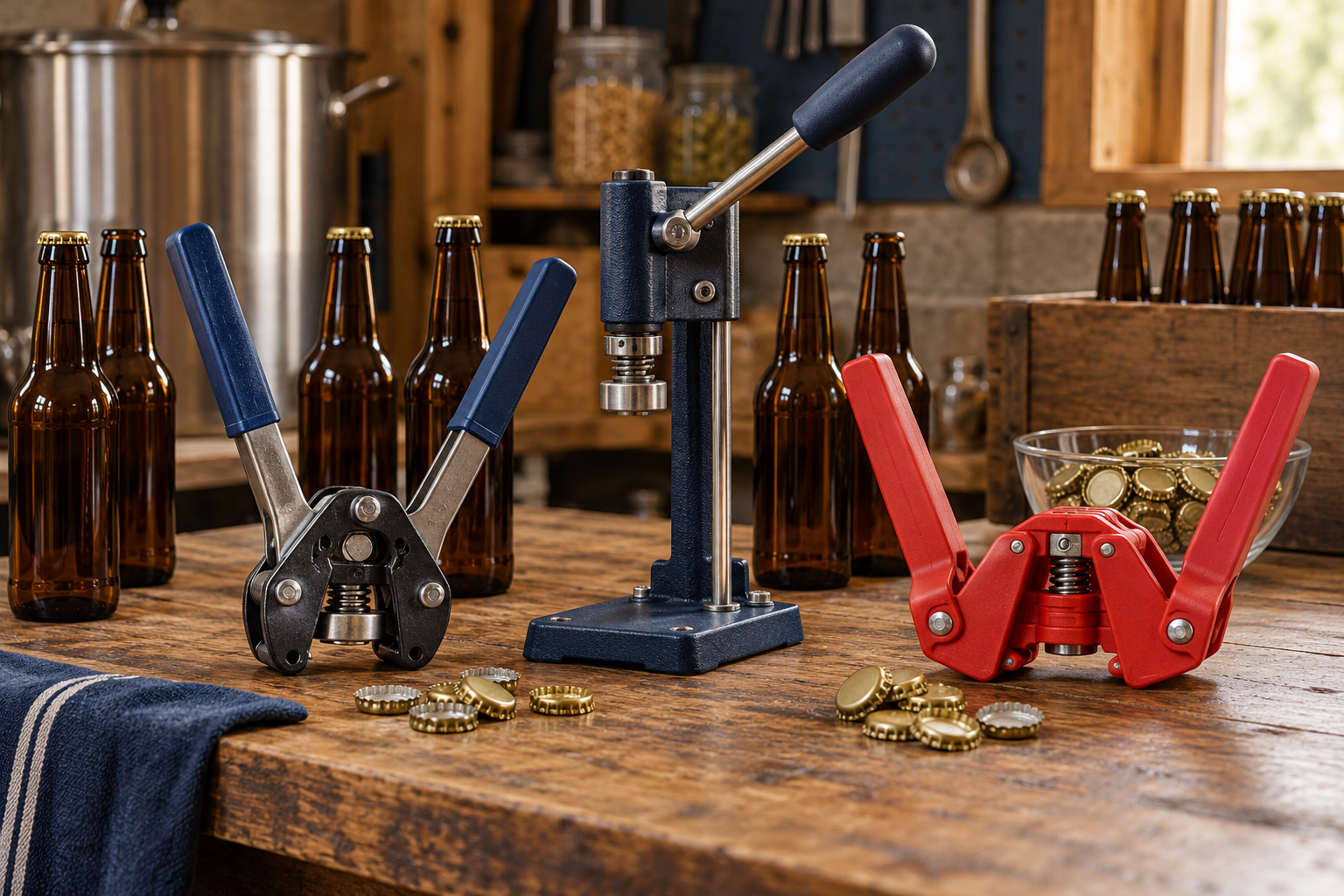
Reviewed and updated: October 27, 2026A dependable capper should match the bottle finish and crown size, make a repeatable seal, and stay stable through a full batch. Compare…
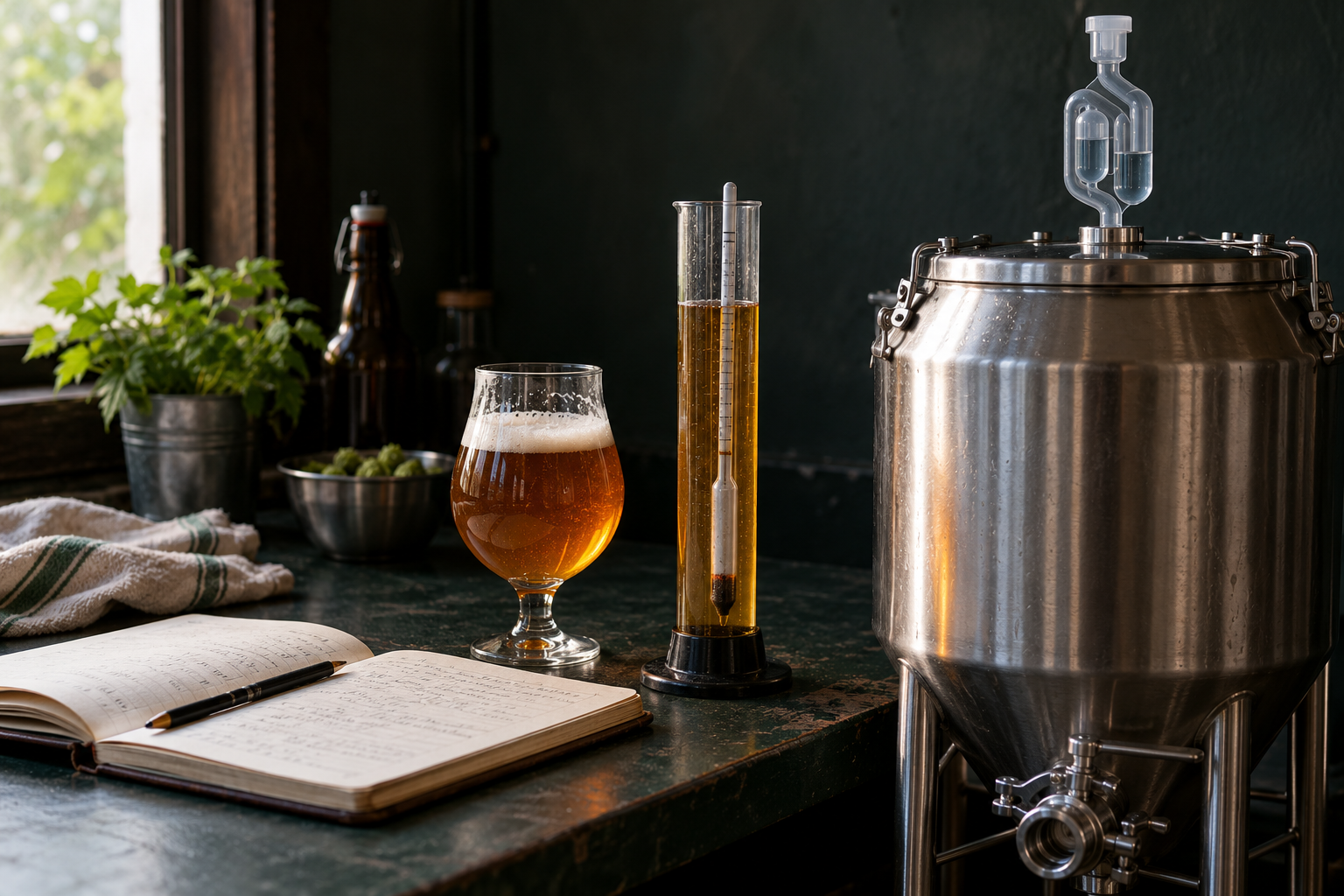
Reviewed and updated: November 12, 2026Bottling day should end with a row of beer you’re looking forward to sharing. Give that beer a gentle trip from fermenter to…
Reviewed and updated: October 25, 2026A refractometer can make small wort samples convenient, but readings require calibration, temperature awareness, and correction after fermentation begins. Choose the tool only…
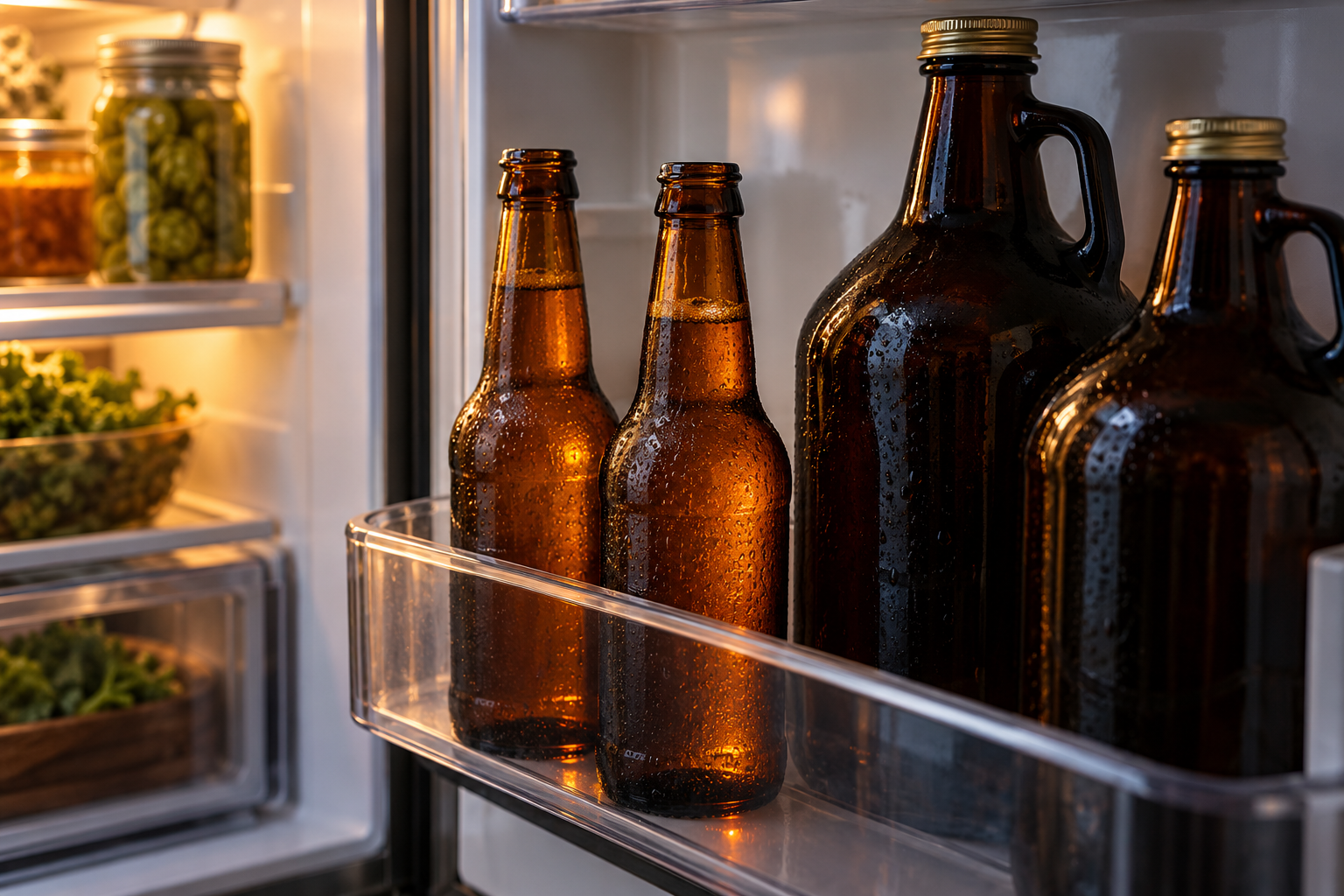
Reviewed and updated: October 24, 2026Once a beer is opened, oxygen, warmth, contamination, and lost carbonation begin changing it. Prompt refrigeration and a clean sealed container may preserve…
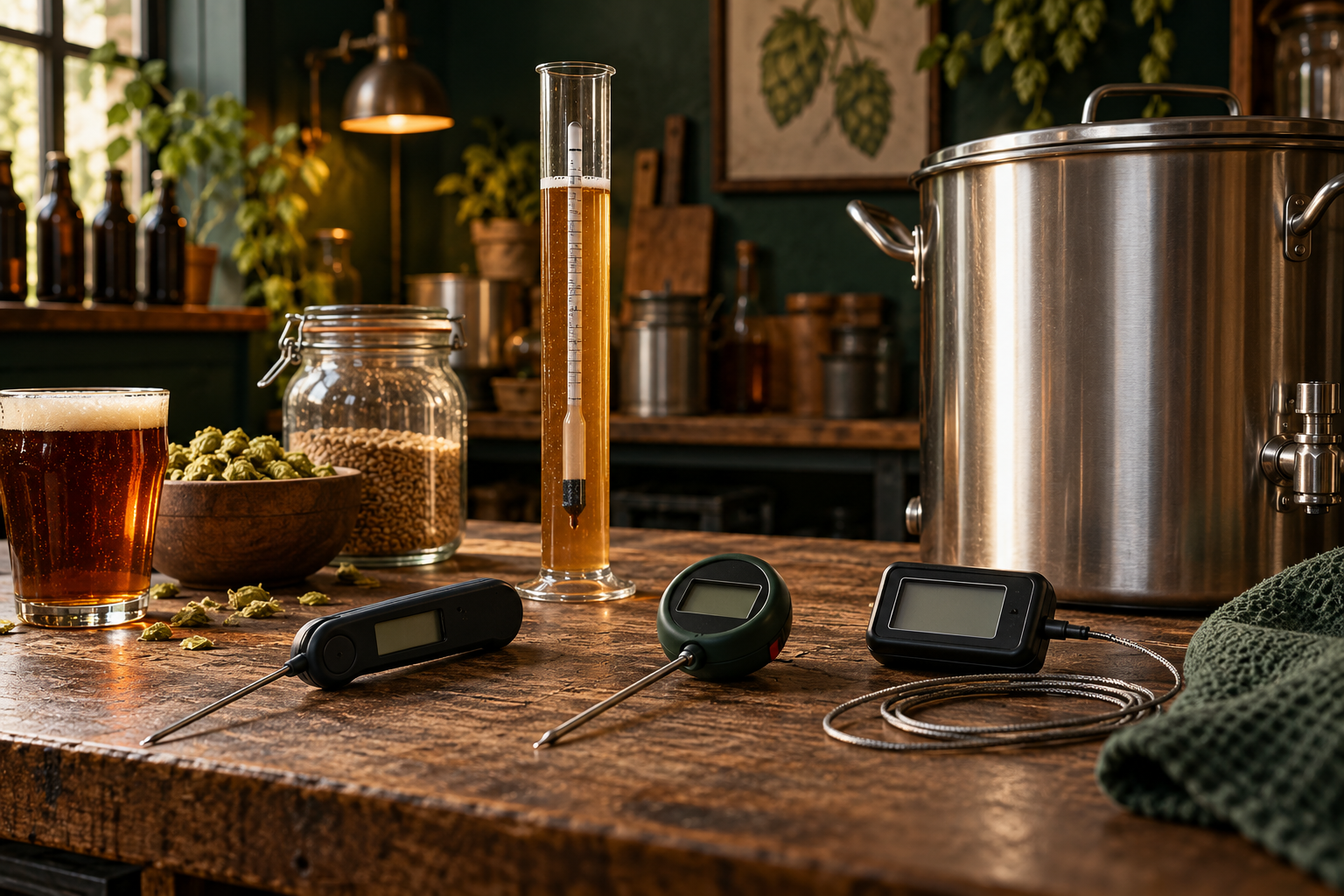
Reviewed and updated: October 23, 2026A brewing thermometer should match the task: quick spot checks, continuous mash monitoring, or verification work. Probe shape, response, cleaning, and usable range…
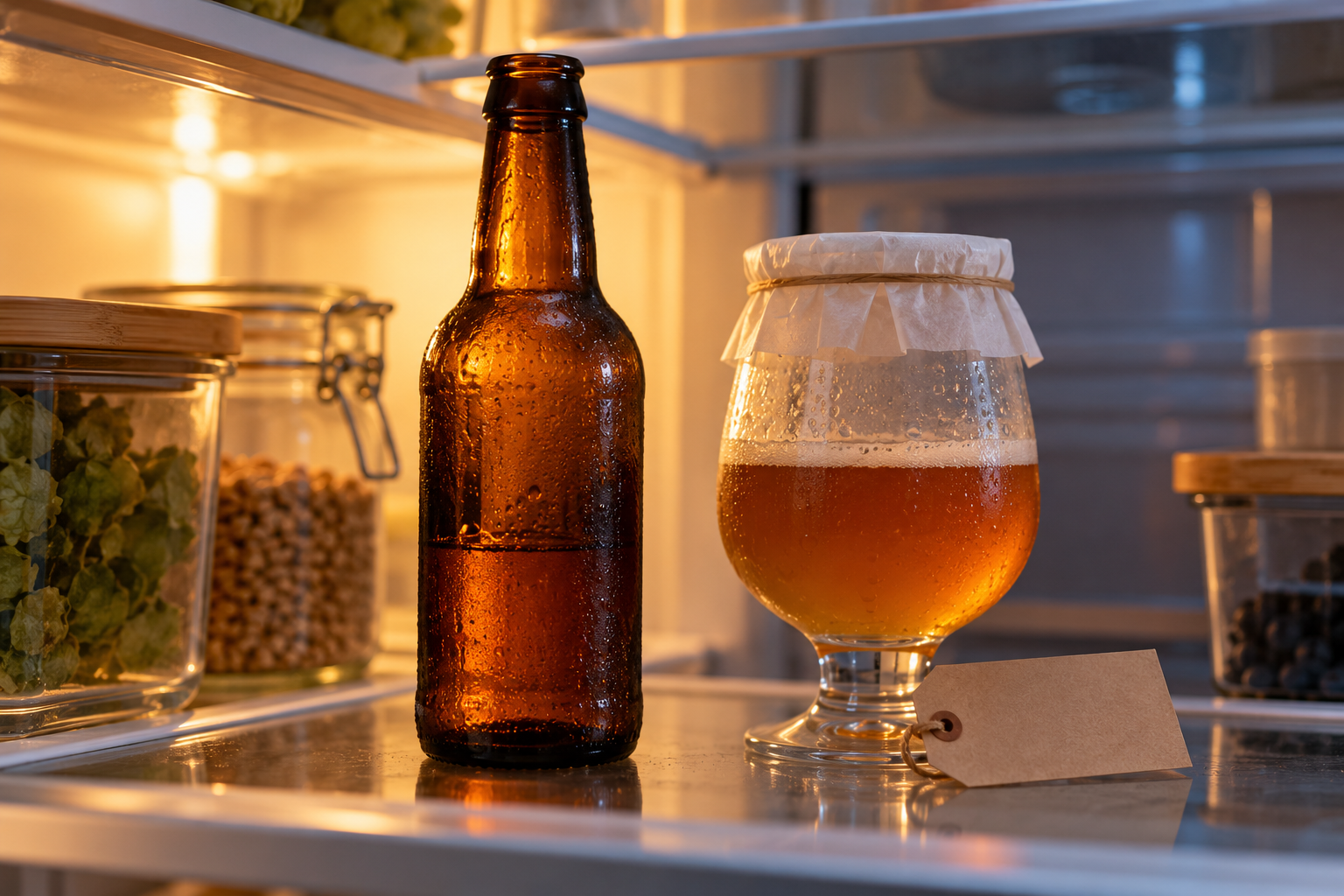
Reviewed and updated: October 21, 2026Once a beer is opened, carbonation, aroma, oxygen, temperature, and sanitation start changing it. Short, cold, covered storage can slow the decline, but…
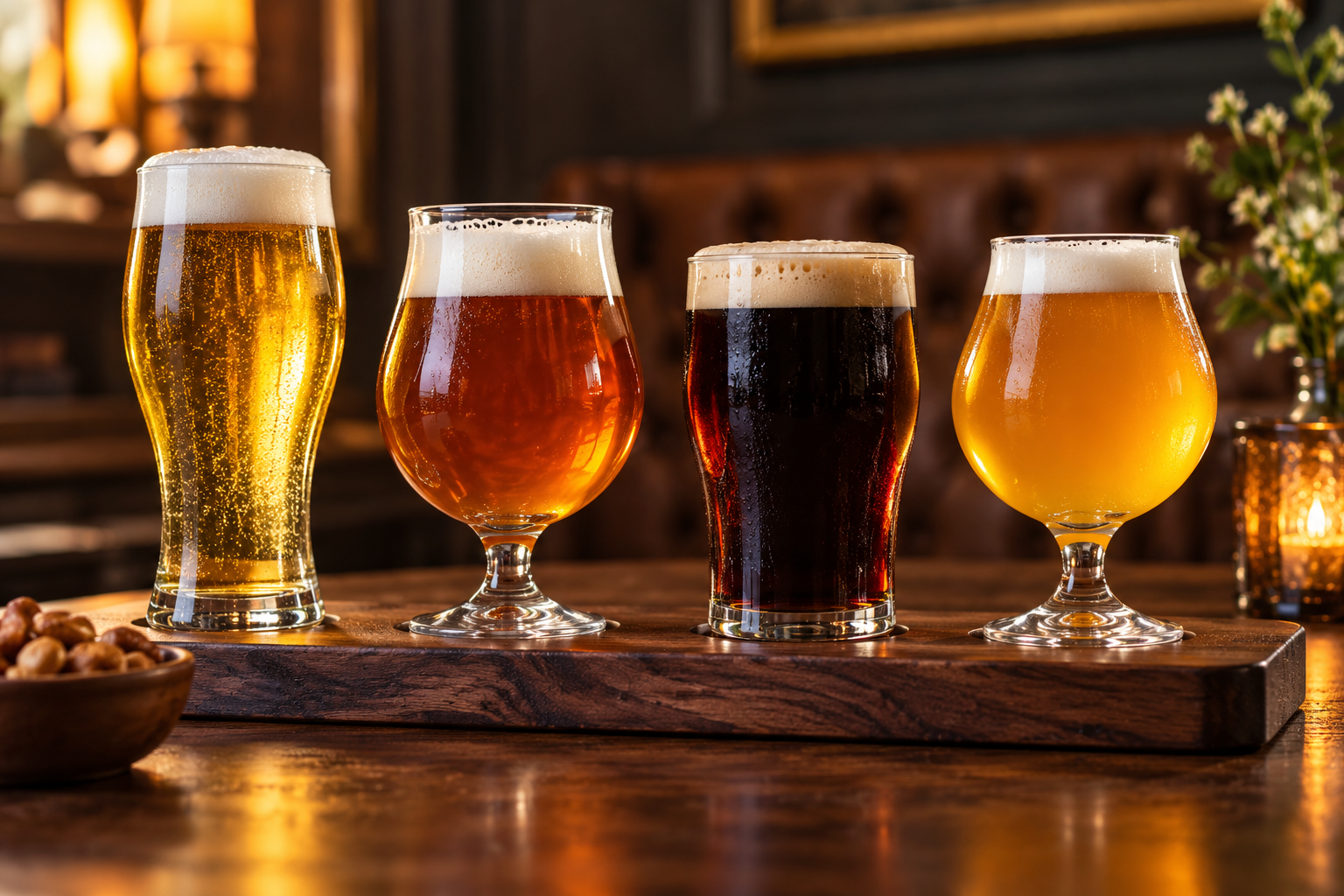
Reviewed and updated: October 20, 2026A useful tasting glass makes small pours easy to compare without forcing every beer into one dramatic shape. Capacity, rim, stem, stability, and…
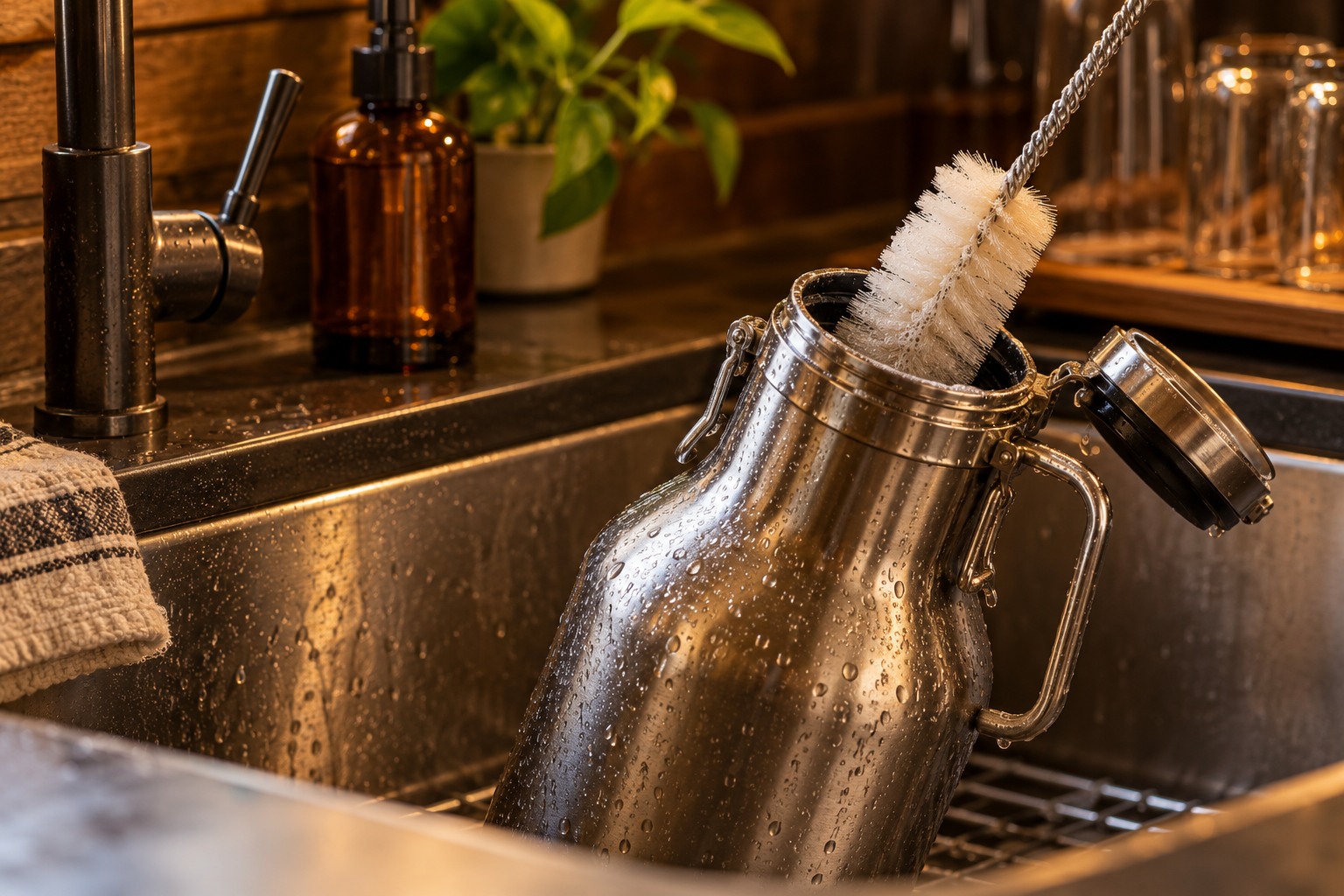
Reviewed and updated: October 19, 2026A growler stays usable when residue is rinsed promptly, every seal can dry, and the cleaning method matches the vessel. Lingering odor usually…
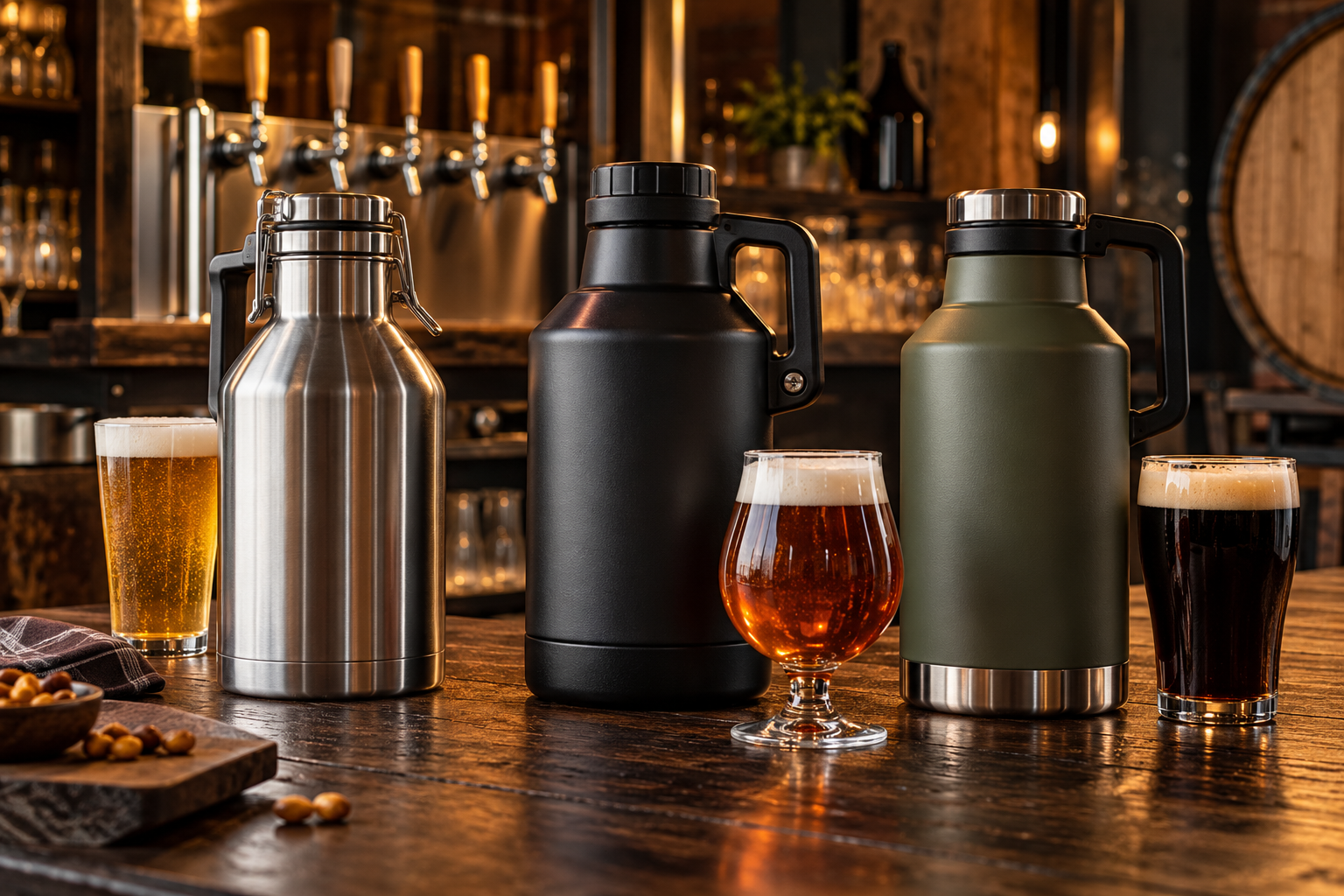
Reviewed and updated: October 18, 2026A growler should match the beverage, fill method, cleaning routine, closure, and time between tap and pour. Carbonation compatibility matters more than a…
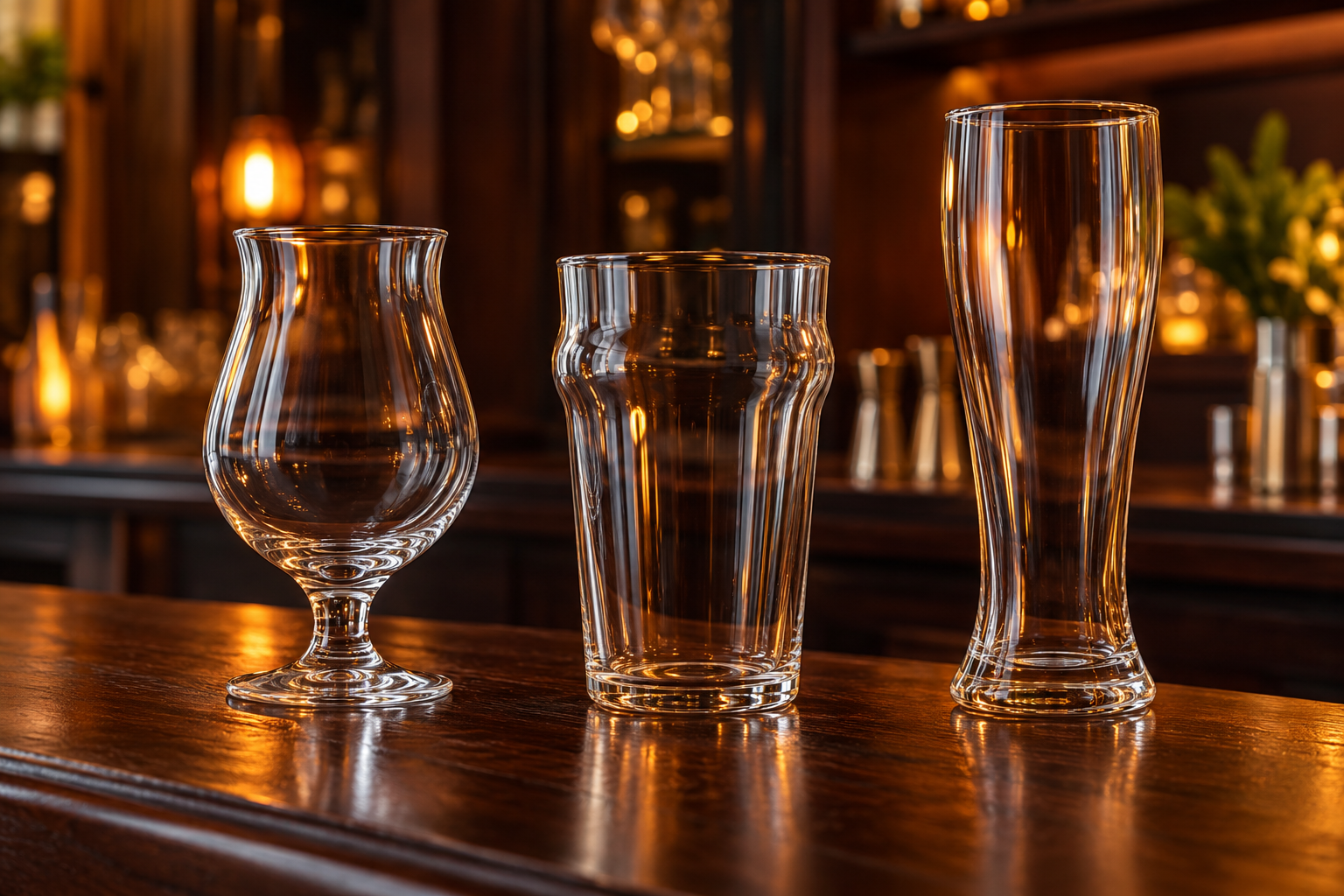
Reviewed and updated: October 17, 2026Glass shape changes head space, aroma concentration, foam support, warming, and sip size. Use clean glassware and a consistent pour before crediting the…
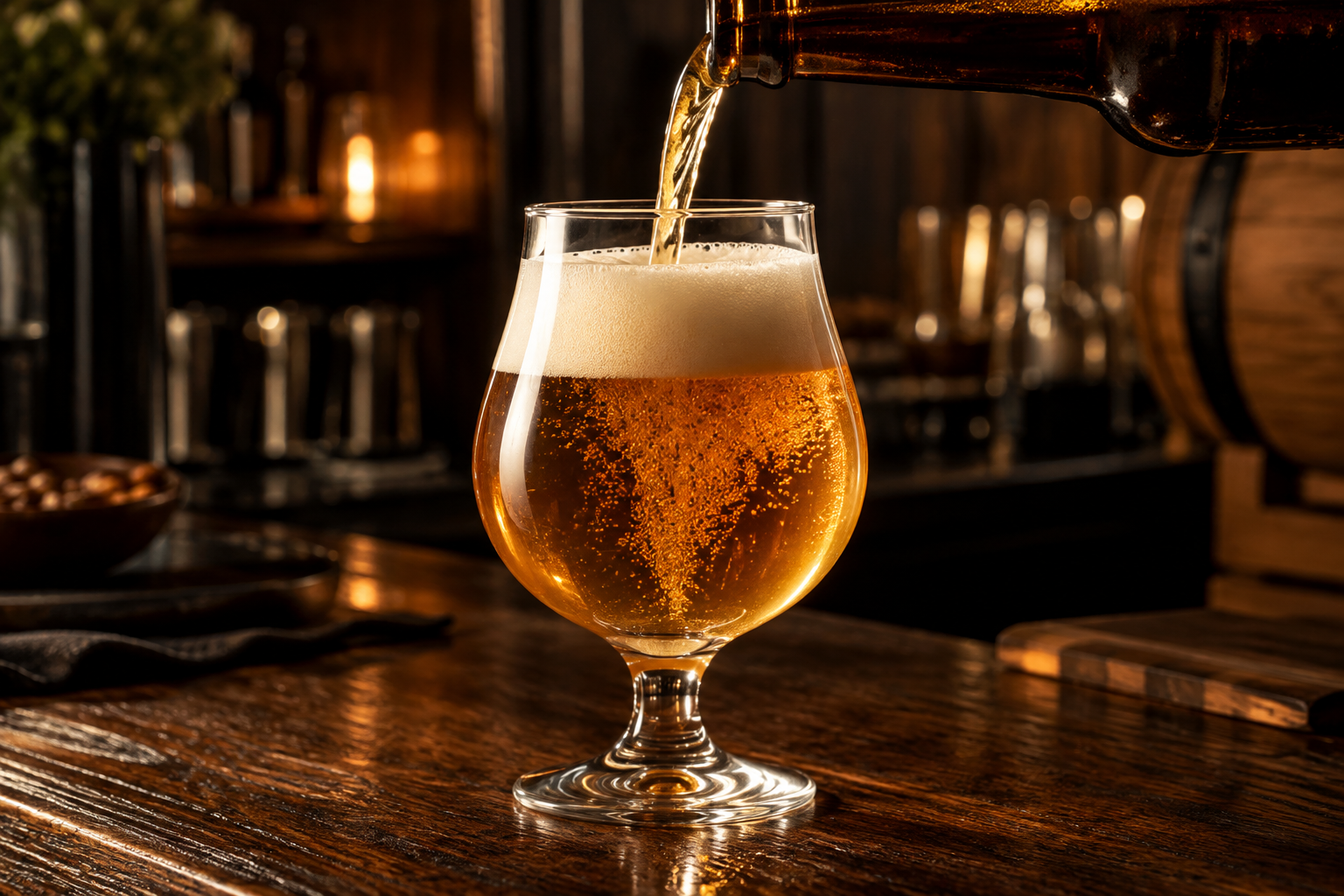
Reviewed and updated: October 15, 2026A controlled pour releases aroma, manages carbonation, and builds a foam head that suits the beer. Clean glassware and a simple two-stage angle…
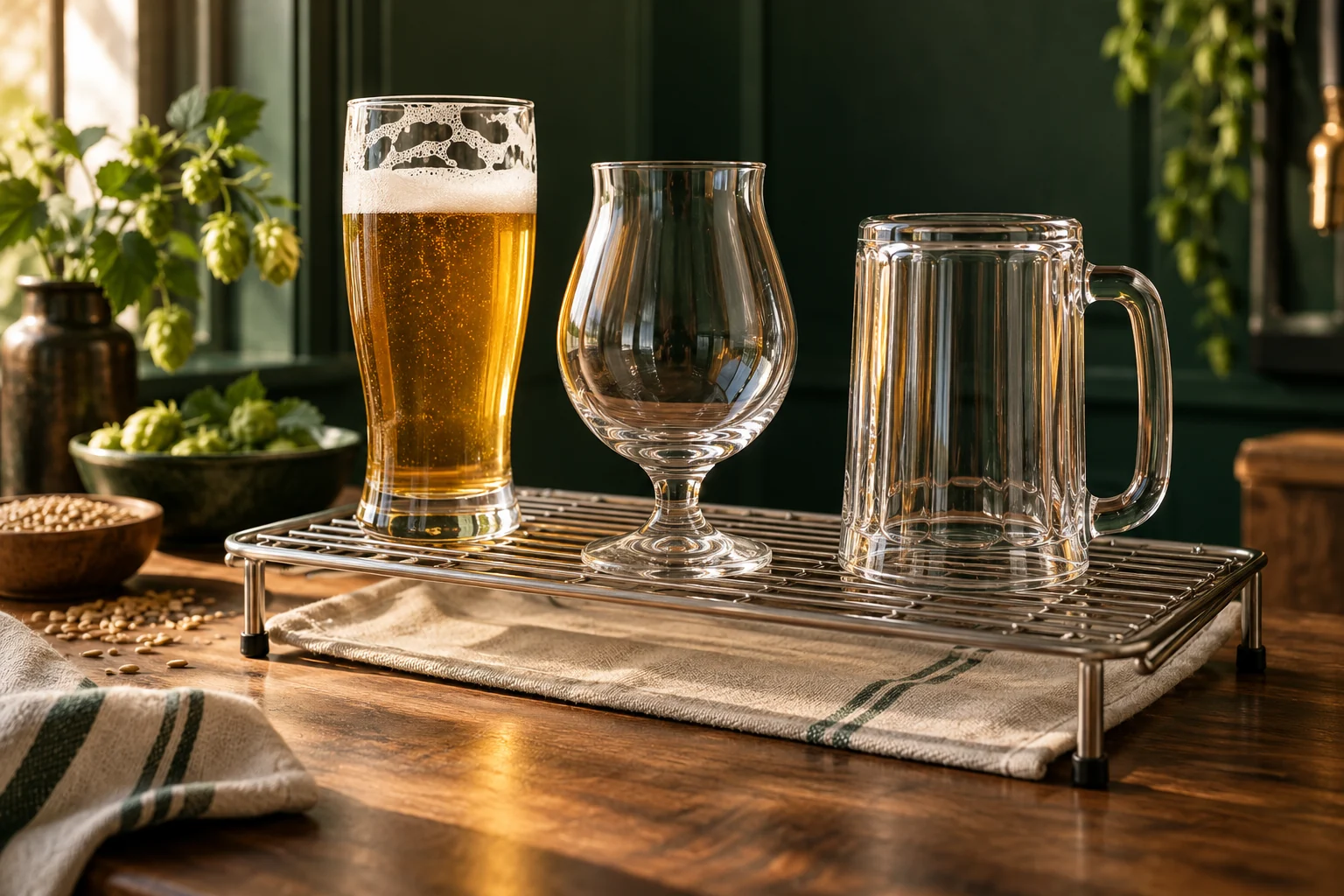
Reviewed and updated: October 14, 2026Quick take: Invisible oil, detergent film, and towel lint can flatten foam and change how beer presents. A separate, simple cleaning routine keeps…
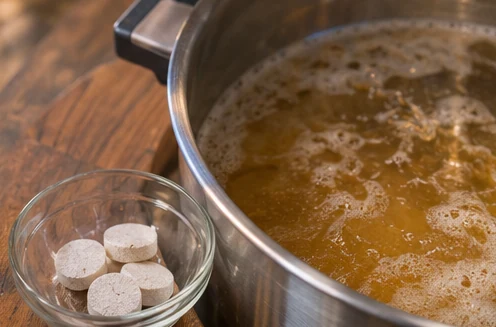
Whirlfloc is a kettle fining product used during brewing to help separate haze-forming material from wort. It is a process aid, not yeast, a sanitizer, a fermentation nutrient,…
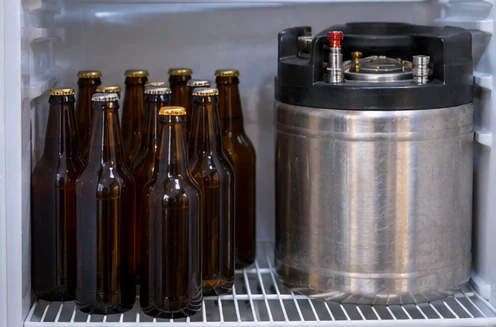
For ordinary bottle conditioning, a refrigerator is usually not the place to generate carbonation efficiently. The yeast need suitable conditions to ferment the measured priming addition. A chilled…
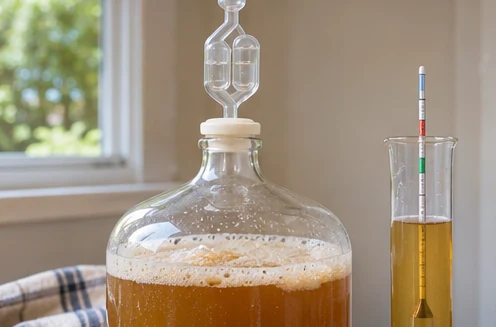
Beer can ferment without producing a visible stream of airlock bubbles. Gas may leave through another route, and the visible pattern also depends on the vent arrangement and…
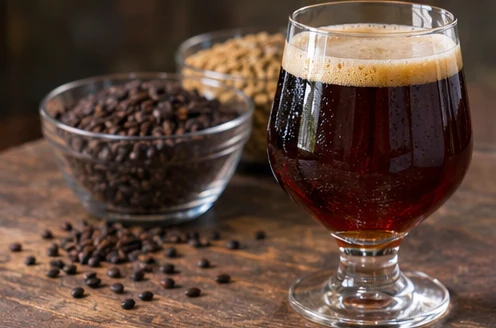
Homebrew can look darker than expected because of how you observe it, the ingredients selected, wort concentration and heating, or changes after brewing such as oxidation. Start with…
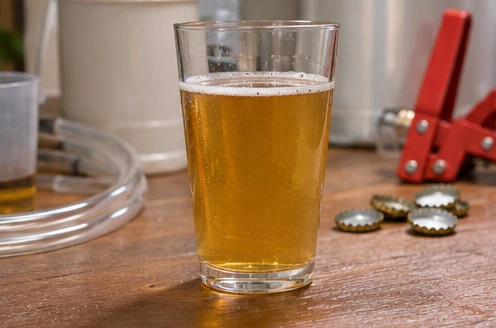
Homebrew can be flat because carbonation has not developed as intended, gas was not retained, the carbonation input was inadequate or gas escaped during an unsuitable pour. The…
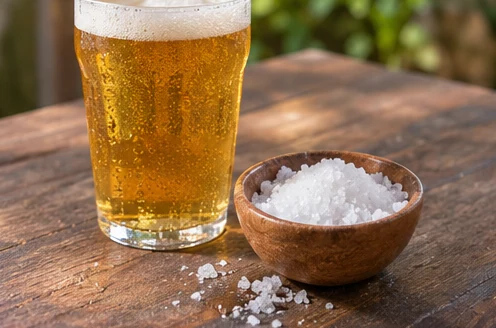
People put salt in beer because they enjoy the changed flavor, like a salted rim, or follow a familiar drink-garnishing tradition. Some use plain salt; others choose a…
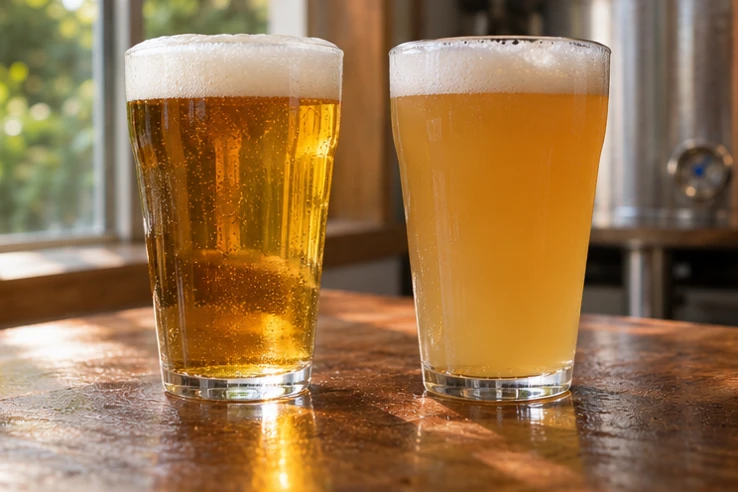
Beer can be cloudy because of intended recipe characteristics, suspended yeast or other particles, temperature-dependent haze, and changes in ingredients or handling. Cloudiness alone does not tell you…
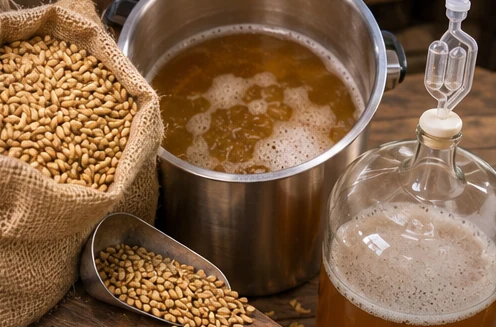
Wort is the sweet liquid a brewer prepares before fermentation turns it into beer. It contains water and dissolved material from malt and other recipe ingredients, including sugars…
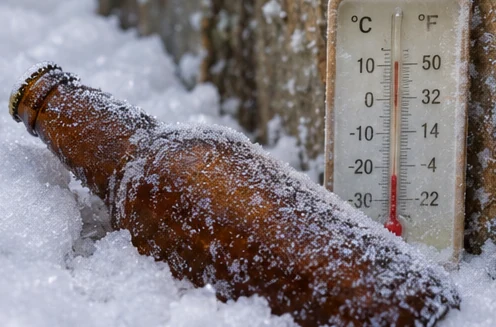
Beer does not have one universal freezing temperature. Pure water freezes at 32°F, or 0°C, under ordinary reference conditions, but beer is a mixture containing alcohol and other…
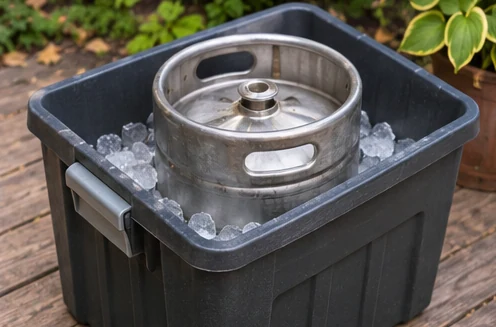
Choose a keg tub by its usable interior dimensions and the complete cooling arrangement, not simply its advertised gallon capacity. The keg must sit stably, leave space for…
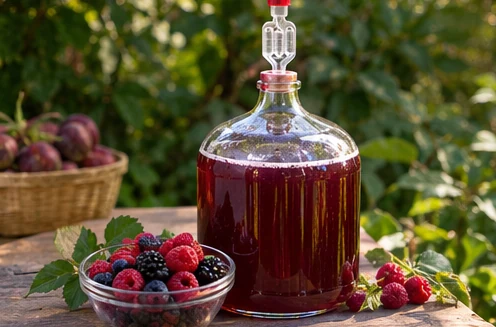
Melomel is mead made with fruit. Honey remains part of the beverage’s identity, while fruit contributes its own character. The term does not mean every example is sweet,…
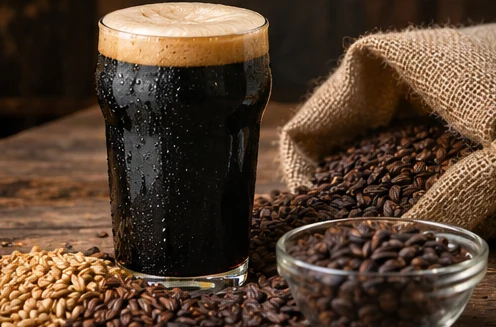
A stout is identified through its brewing tradition and intended sensory profile, with roasted grain character central to many familiar examples. Dark color alone is not a complete…
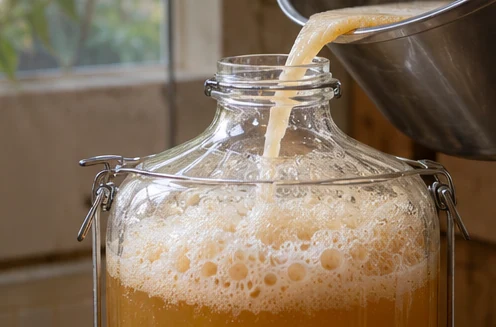
Krausening is a brewing technique that adds actively fermenting wort or beer to another batch as part of a controlled conditioning process. The addition supplies living culture and…
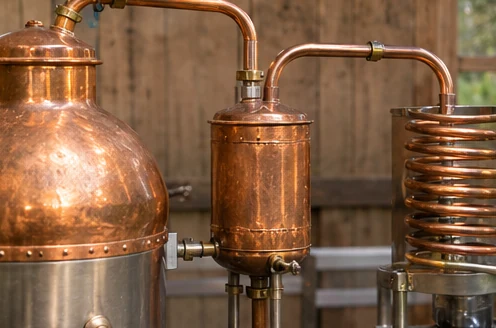
A thumper is an intermediate vessel used in some distilling systems between the main boiler and the final condenser. Incoming vapor interacts with liquid in the intermediate chamber…
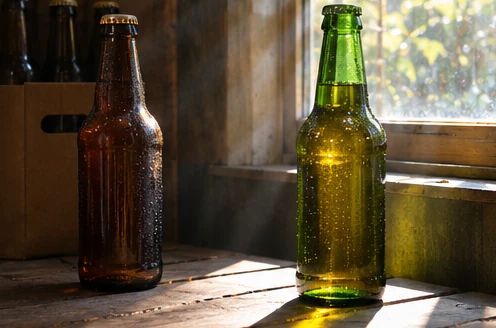
Skunked beer is beer with a characteristic skunk-like aroma caused by light exposure. Brewers also call it lightstruck beer. Light can trigger reactions involving hop-derived compounds, producing a…
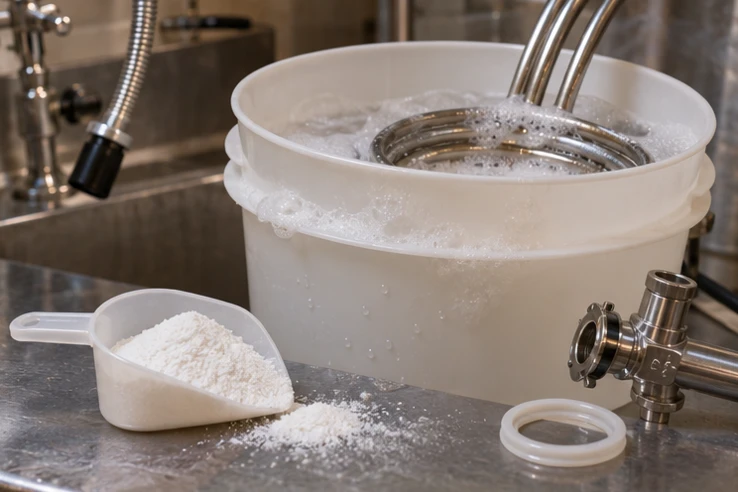
PBW is a brewing-equipment cleaner from Five Star Chemicals. The familiar powdered product helps remove brewing deposits before the equipment is rinsed and, where required, sanitized. It should…
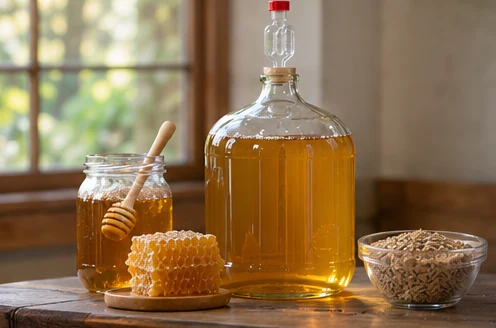
Mead is a honey-based fermented beverage and is generally discussed as a family distinct from beer. Beer commonly begins with grain-derived wort. Both involve fermentation, but sharing yeast…
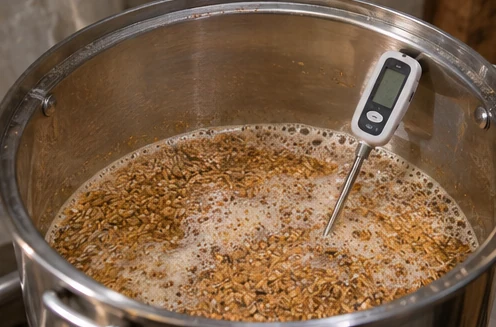
Mash out is a step near the end of mashing in which the brewer raises the mash to a higher temperature, commonly around 168–170°F or 76–77°C, before separating…
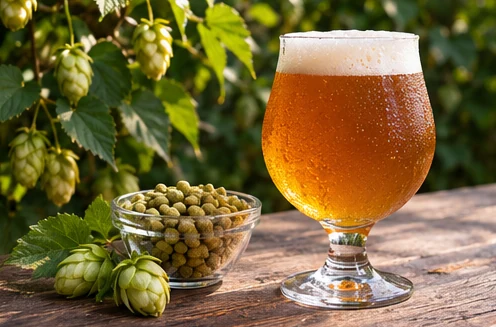
IBU stands for International Bitterness Units. It is a measure associated with beer’s bittering compounds, especially those produced when hop alpha acids are isomerized during brewing. A higher…
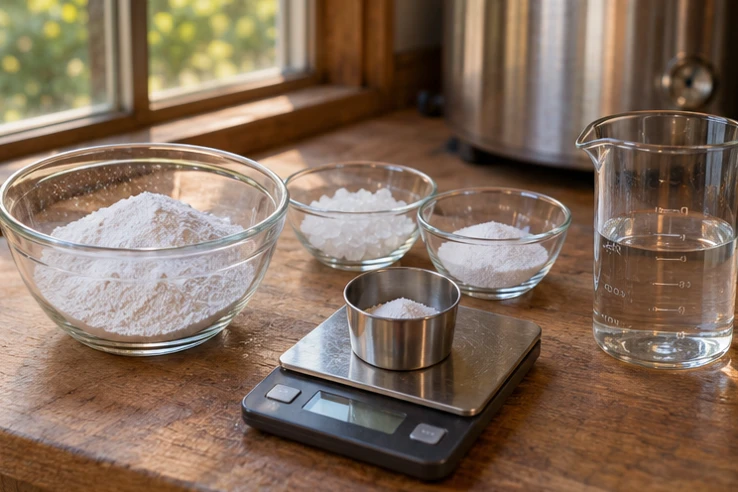
Acid blend is a prepared mixture of acids sold for beverage making, commonly including tartaric, malic and citric acids. It can increase tartness and change acidity, but the…
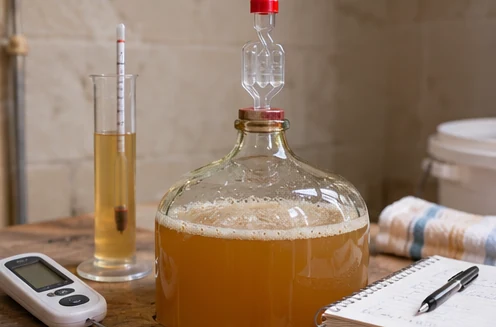
If homebrew appears not to be fermenting, first check whether reliable gravity readings show progress. A quiet airlock is not proof of inactivity. Verify the measurement method, actual…
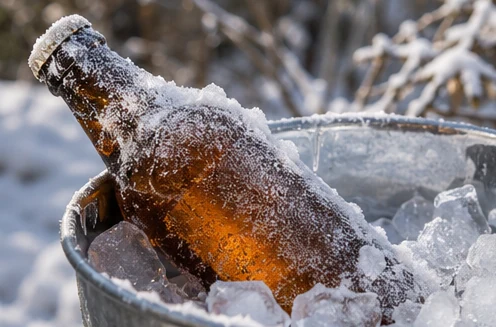
Ice beer refers to a beer treated with a brewing-stage chilling process that forms ice crystals. It does not simply mean a beer served over ice or a…
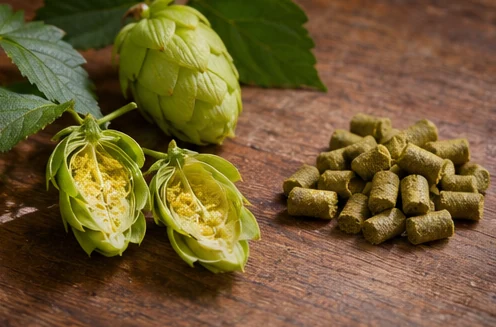
Hops are used in beer mainly to shape bitterness, aroma, and flavor. The same ingredient can produce different results depending on its variety, product form, amount, and addition…
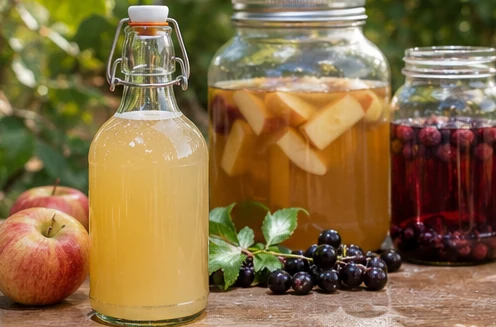
Hooch is an informal word for alcohol, often associated with homemade or illicit drinks. It is not a precise beer style, a guaranteed recipe or a fixed alcohol…
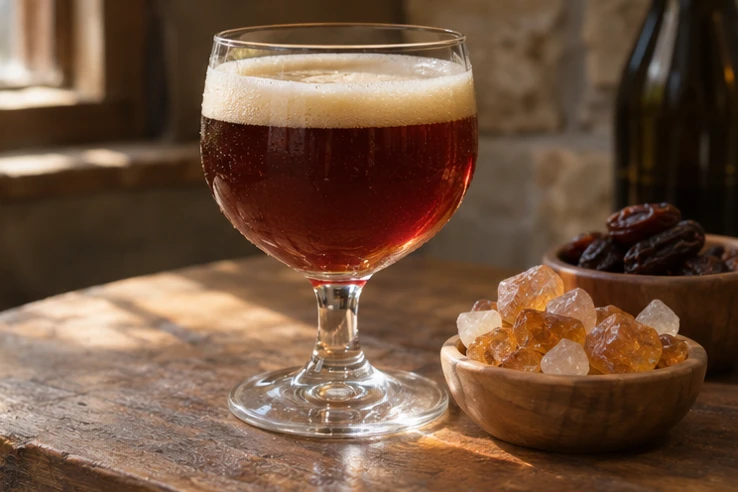
Grand Cru on a beer label does not identify one universal beer style. Breweries use the name for particular products, and those products can differ greatly in color,…
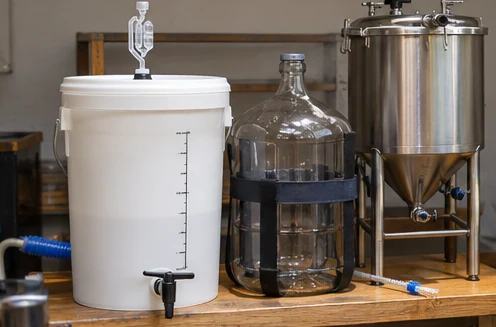
A fermenter is the vessel used to hold wort or another prepared material while fermentation takes place. In beer brewing, it provides the environment where yeast acts on…
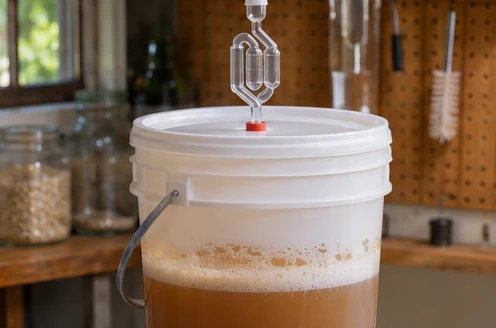
Beer fermentation can smell yeasty, fruity, malty, or sulfur-like, with the balance changing as the batch develops. The expected aroma depends on the yeast strain, recipe, and conditions.…
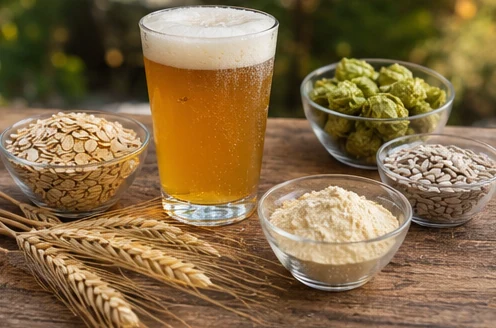
Enriched beer is ambiguous wording rather than a universal beer style. A writer or producer might use it to discuss added flavor ingredients, nutrients or another recipe change,…
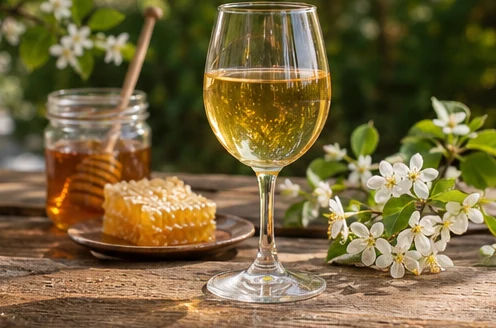
Mead is made by fermenting honey, and its flavor can range from dry and wine-like to distinctly sweet. Some examples are light and sparkling; others are rich, still…
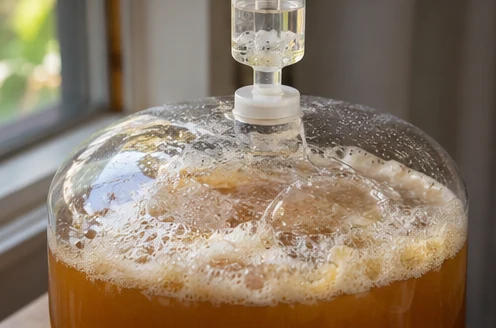
Beer fermentation may look like a foamy cap above cloudy liquid, particles moving through the vessel, and a growing layer of sediment. It can also look surprisingly quiet.…
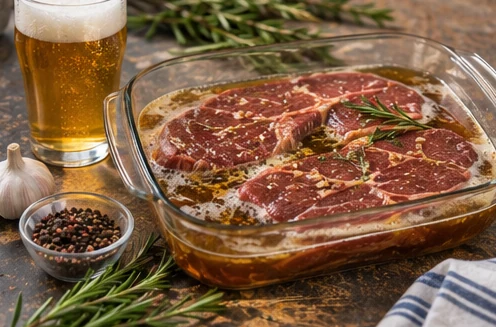
Beer contributes liquid and flavor to a meat marinade. Depending on the product and recipe, it can add malt, roast, bitterness, fruit-like impressions, or acidity. It is not…
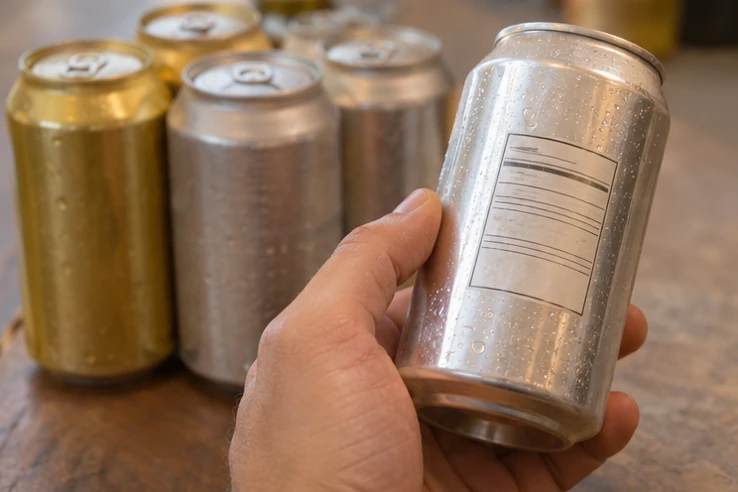
There is no single beer that is both the cheapest and strongest in every market. Local price, package size, taxes, promotions, and availability vary, while products with similar…
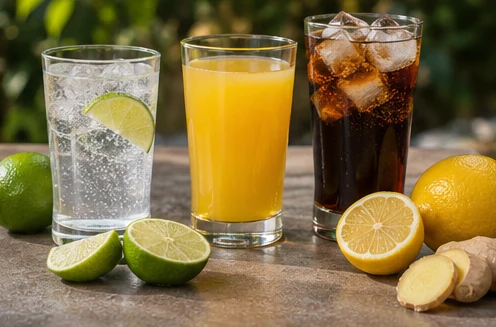
A chaser is a drink taken after or alongside another drink, often as a separate serving. People may use it to change the taste left in their mouth,…
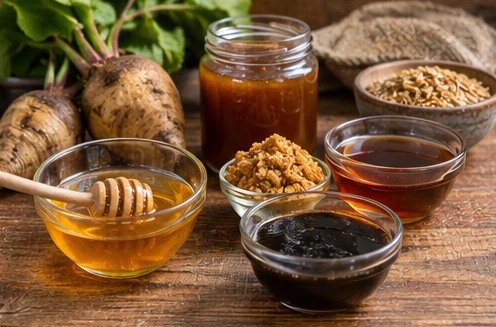
The best substitute for brewing sugar depends on what the sugar is doing. A sugar used to contribute fermentables to a recipe is different from the small calculated…
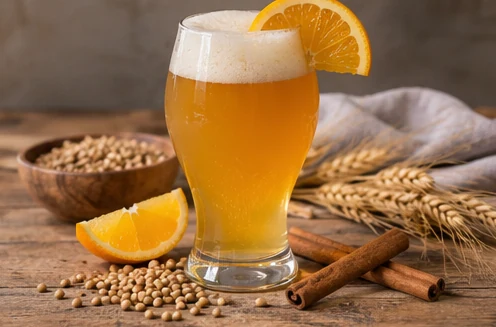
Blue Moon Belgian White is a wheat ale whose producer describes a citrus-and-spice character built around Valencia orange peel and coriander. Wheat and oats contribute to the recipe.…
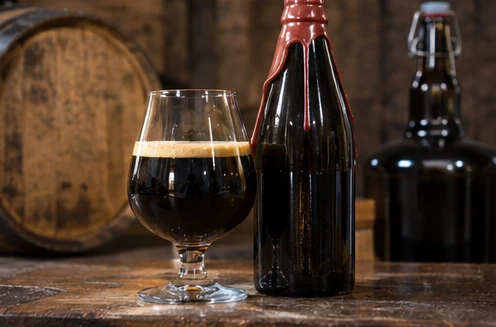
Claims about the beer with the highest alcohol content require a definition, a date and reliable product evidence. Different lists mix fermentation-only beers with concentrated products, repeat old…
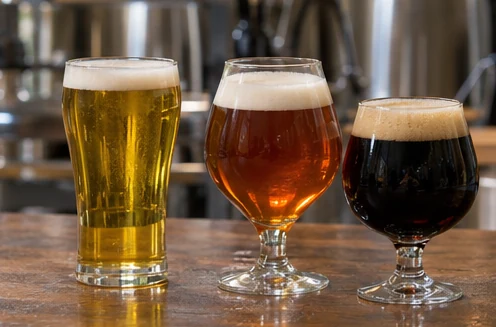
No beer can be ranked reliably by how quickly it will make every person drunk. That question mixes a beverage’s measurable alcohol content with an individual’s response and…
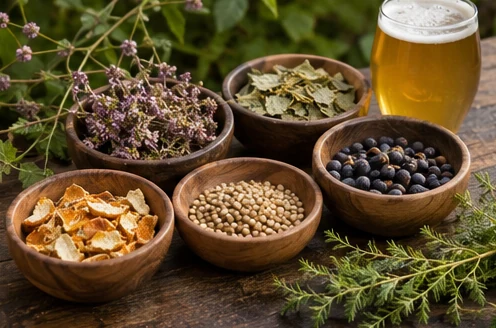
Some grain-based fermented beers are made without hops, including certain modern gruit-inspired recipes. However, low bitterness, herbal flavor and an old-fashioned name do not prove that a beer…
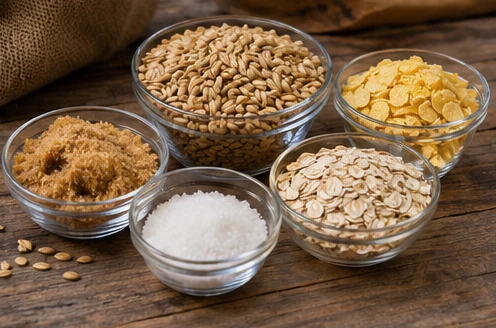
Adjuncts are additional fermentable ingredients used alongside the main malt component of a beer recipe. Common examples include unmalted cereal grains, rice, corn and brewing sugars. Depending on…
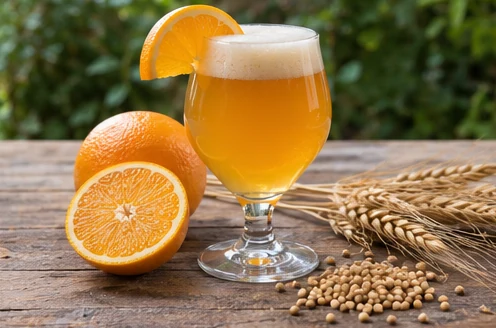
Blue Moon Belgian White Wheat Ale is listed at 5.4% alcohol by volume on the producer’s current US product page. That figure describes this specific beer. It does…
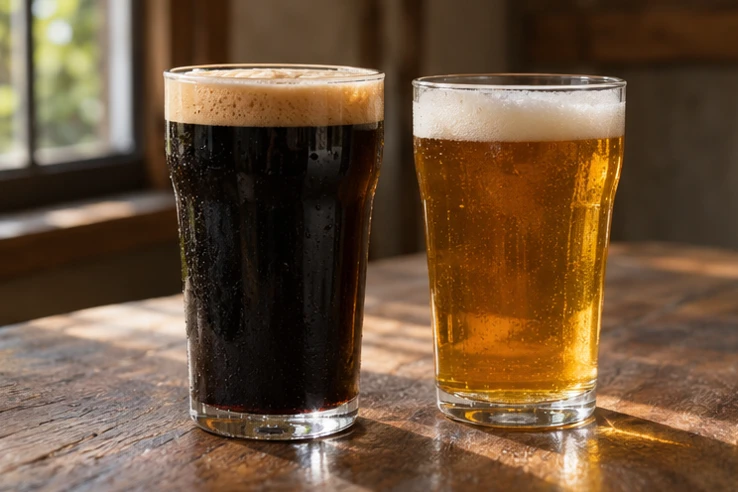
Stout is beer. Comparing stout with beer as though they are separate drinks confuses a style family with the broader category that contains it. The more useful comparison…
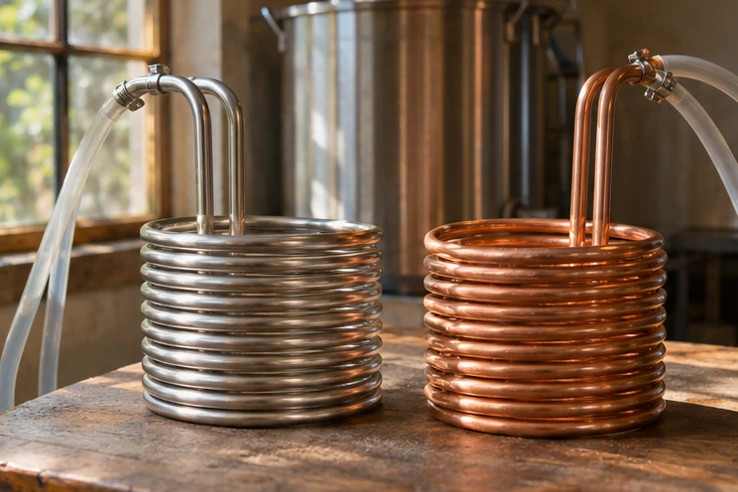
Copper conducts heat better than stainless steel, but that fact alone does not tell you which wort chiller to buy. Coil length, tube arrangement, exposed surface, cooling-water temperature…
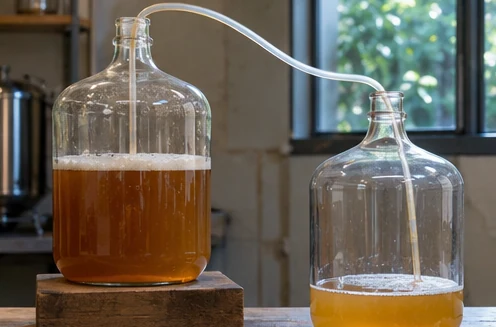
A secondary fermenter is usually unnecessary for an ordinary homebrewed ale that will ferment, condition briefly and then be packaged. Leave the beer in its original suitable vessel…
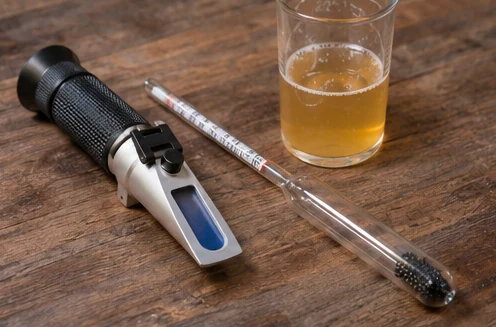
A hydrometer is the simpler choice for checking finished beer. A refractometer is convenient for small samples on brew day, but alcohol changes its reading once fermentation starts.…
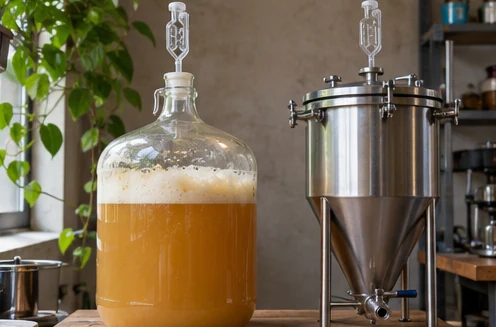
Primary fermentation is the main conversion of wort sugars into alcohol and carbon dioxide. A secondary fermenter is a second vessel used after the first, often for conditioning…
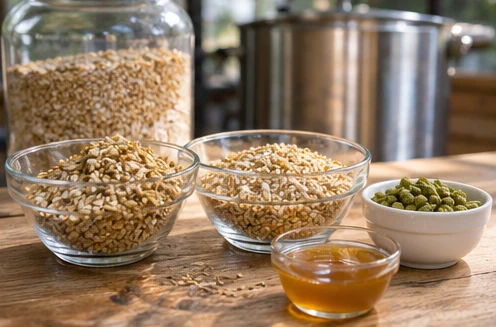
Partial mash combines a real grain mash with malt extract, while all-grain brewing obtains the recipe’s main wort contribution through its grain-mashing process. The difference is not whether…
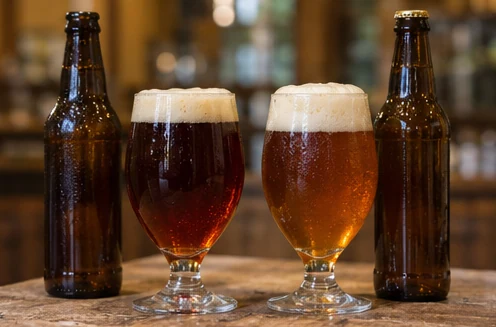
Michelob AmberBock and Shiner Bock are often compared because their names and darker lager presentation suggest a similar buying choice. They are separate products from different producers, and…
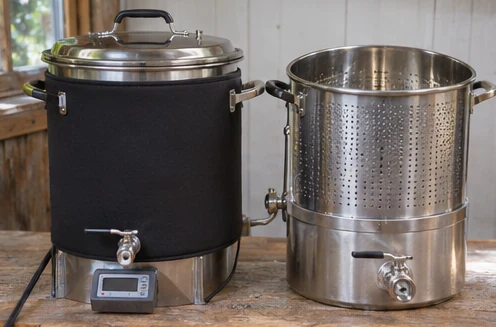
A mash tun holds grain and water while mash enzymes convert starch into wort sugars. A lauter tun separates liquid wort from the spent grain. At homebrew scale,…
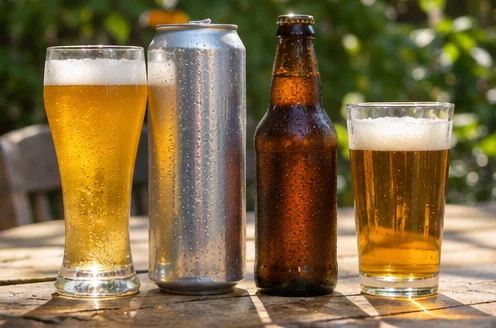
Malt liquor is a beer-related malt-beverage category, not the same thing as distilled liquor. The word liquor can be confusing in this context. A product labeled malt liquor…
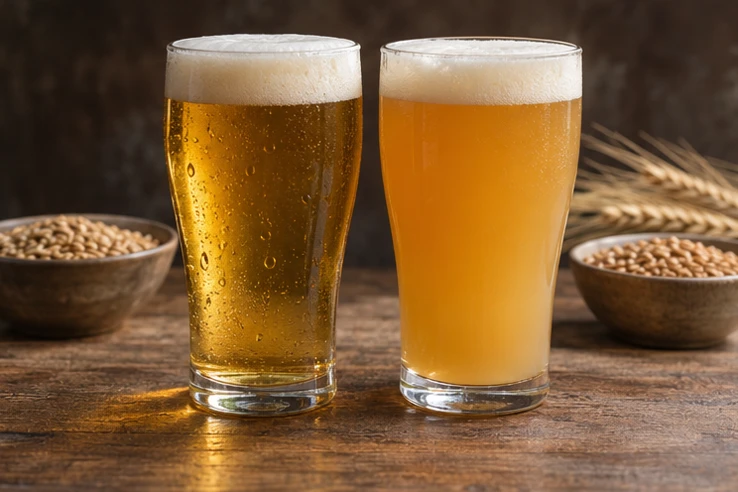
Lager and wheat beer describe different things. Lager is a family defined by its fermentation tradition and yeast. Wheat beer is a broad description for beer made with…
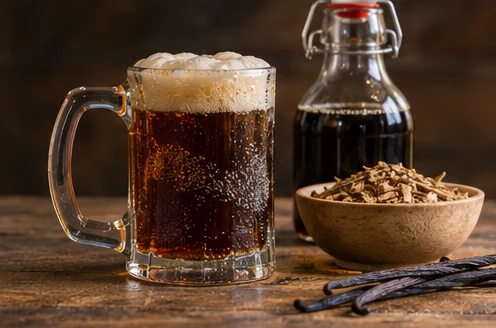
Ordinary commercial root beer sold as a soft drink is different from alcoholic hard root beer. The word beer in the name does not by itself make the…
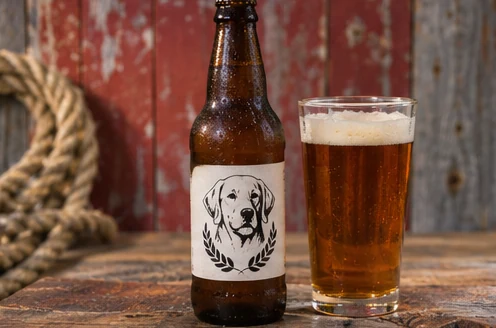
Yes, Puppers has existed as a real licensed beer as well as a familiar screen identity associated with Letterkenny. The evidence is more than a fan-made label: Bell…
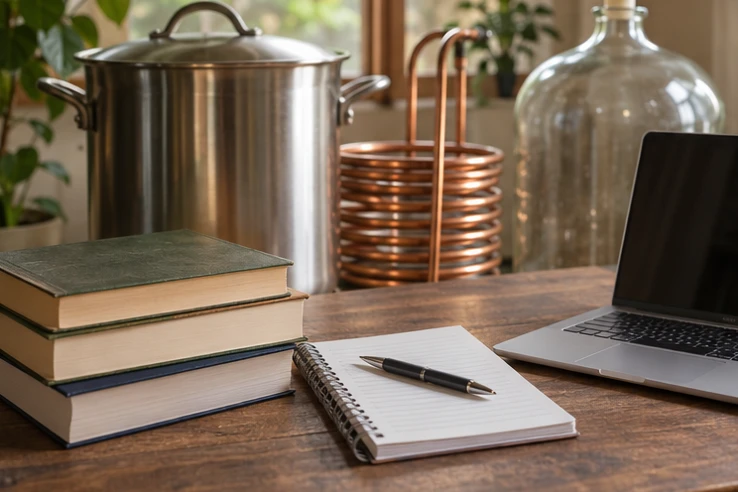
Do not assume that being 18 permits home beer production in the United States. The federal personal-use regulation includes a higher-age condition tied to the locality’s minimum beer-sale…

US federal rules allow qualifying adults to produce limited amounts of beer for personal or family use without paying federal excise tax, provided it is not for sale.…
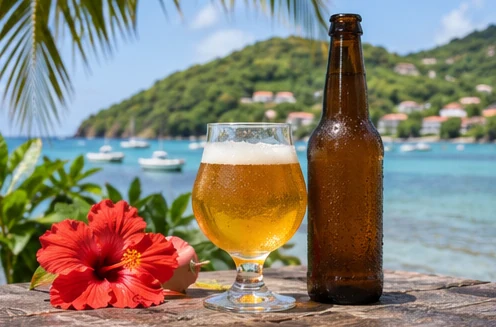
Etensel is associated with the on-screen world of Death in Paradise. This guide has not verified a commercial producer or current drinkable product sold under that exact name.…
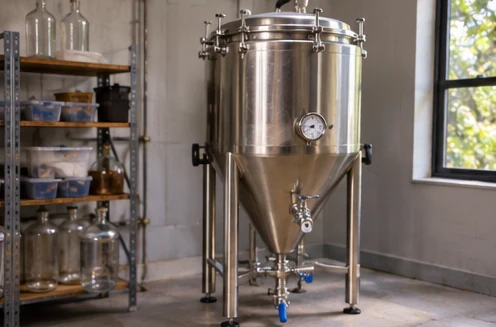
A conical fermenter is worth considering when its supported features solve a problem in your brewing routine. It is not automatically the best upgrade because professional breweries use…
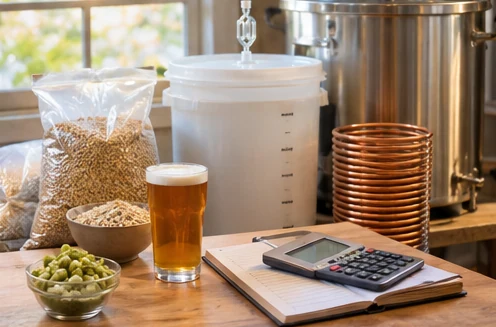
Brewing your own beer can cost less than some comparable retail purchases, but it is not automatically cheaper. The result depends on what you brew, what you already…
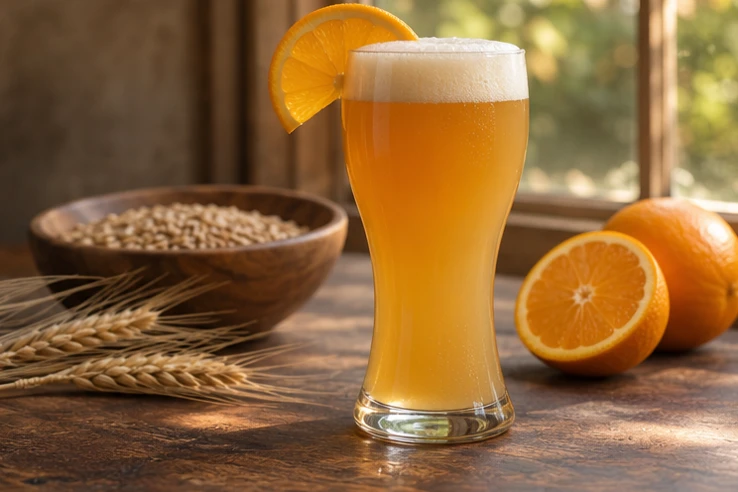
Blue Moon Belgian White contains wheat and should not be treated as a gluten-free beer. The producer identifies wheat in its recipe. If you need to avoid gluten,…
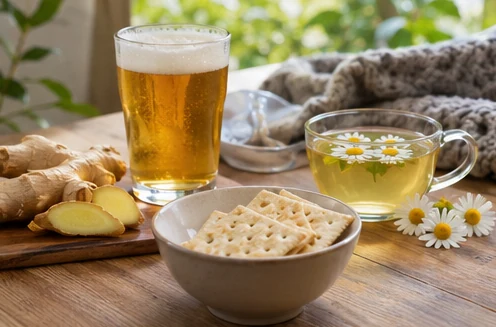
Beer is not a treatment for an upset stomach. Alcohol can worsen irritation and complicate symptoms, and the cause of an upset stomach cannot be identified from that…
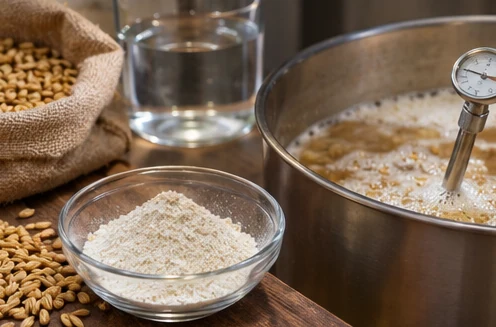
Use amylase enzyme through a brewing recipe and the exact product’s technical instructions. The word amylase describes an enzyme category, not one universal powder or dose. Alpha-amylase and…
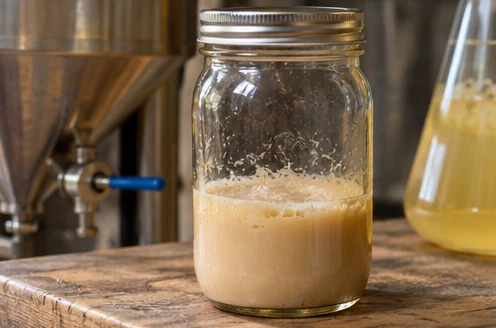
The phrase washing yeast can mean two different tasks. Homebrew discussions sometimes use it for separating yeast slurry from sediment with water. Professional acid washing is a different…
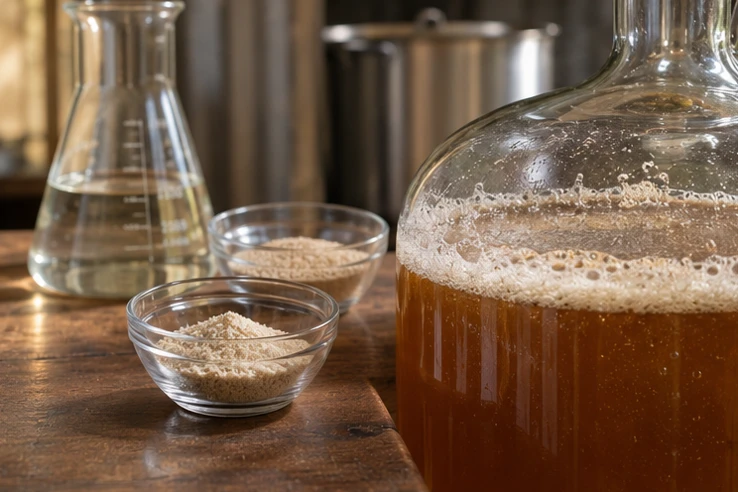
Use yeast energizer only when the product and brewing process support it, at the rate and stage specified by the maker. The name energizer does not describe one…
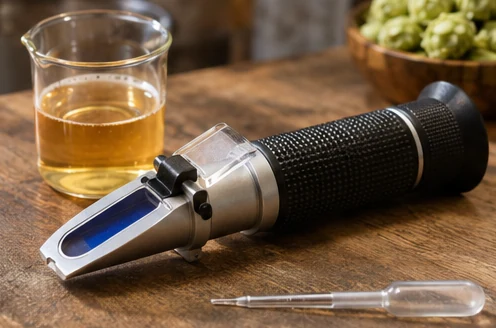
A brewing refractometer does not directly measure the alcohol percentage of ordinary finished beer. It measures optical behavior that can be related to wort concentration through the instrument’s…
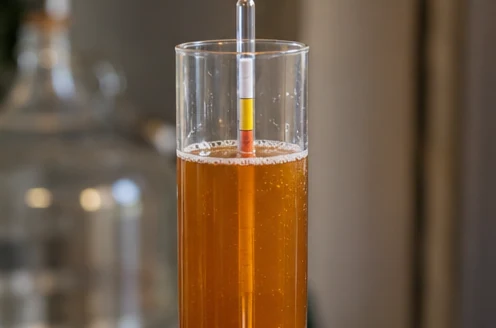
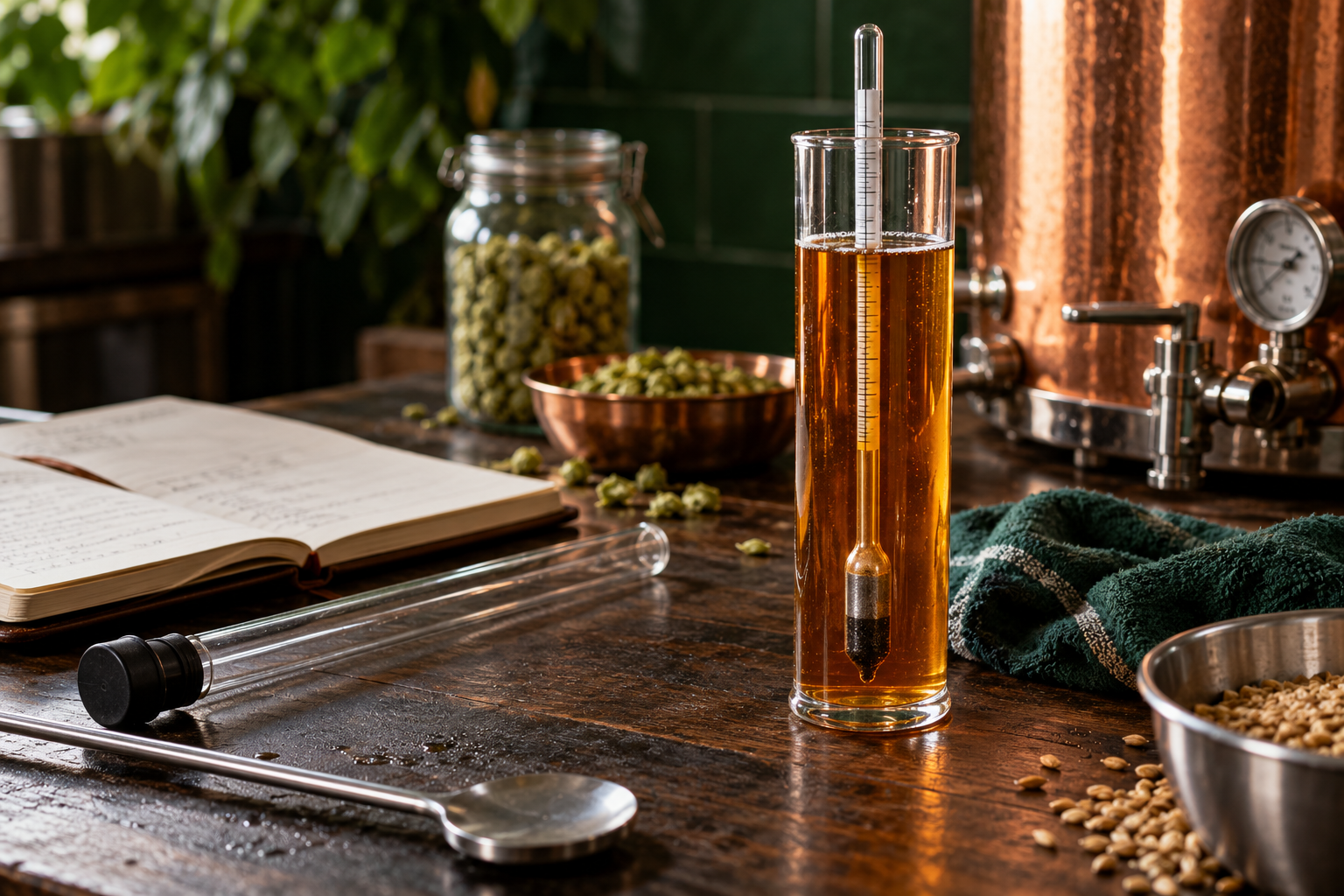
A brewing hydrometer measures the density of wort or beer relative to water. To use it correctly, place a cooled sample in a suitable test cylinder, lower the…
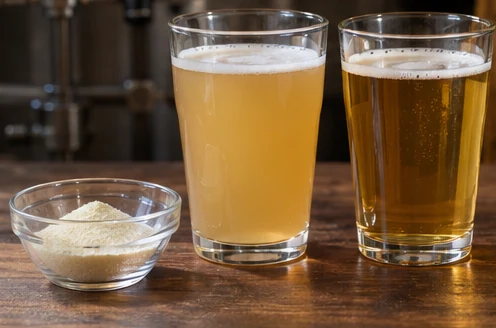
Gelatin finings can help certain suspended material settle in beer, improving clarity in a suitable process. They are optional and should be used through the actual brewing product’s…
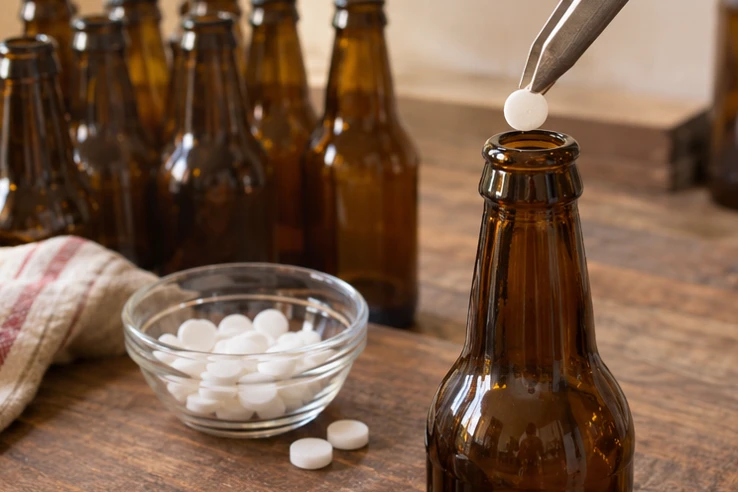
Use carbonation drops by adding the manufacturer’s specified number to each clean, sanitized bottle of fully fermented beer, then fill and cap using your normal bottling process. Match…
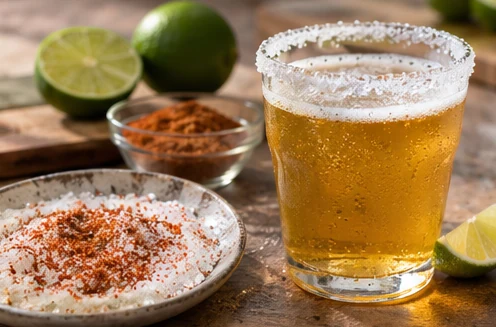
Beer salt is a seasoning choice, often used with a lime or citrus flavor to change the drinking experience. You can apply a small amount to part of…
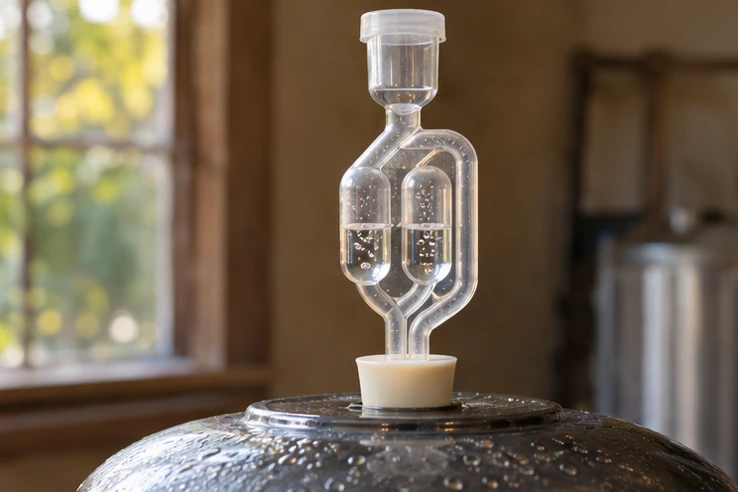
An airlock bubbler provides a liquid barrier in a supported fermentation vent path. Gas moving through that path can make visible bubbles, but the pattern is not a…
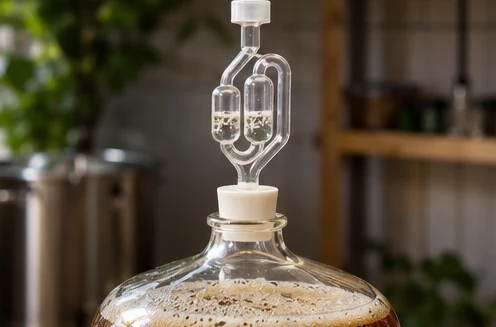
A three-piece airlock consists of a body, a floating internal piece, and a cap. Used with a compatible atmospheric fermenter, it lets gas move out through a liquid…
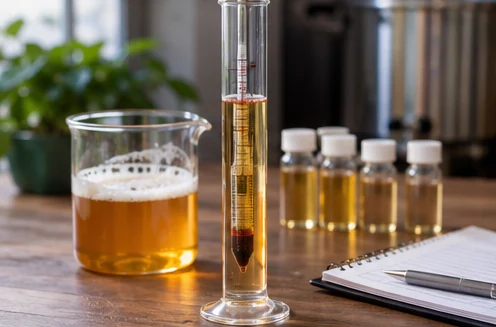
To test alcohol proof, first identify the sample and choose a method suitable for its composition. A proof hydrometer or alcoholmeter can assess an appropriate ethanol-water solution, with…
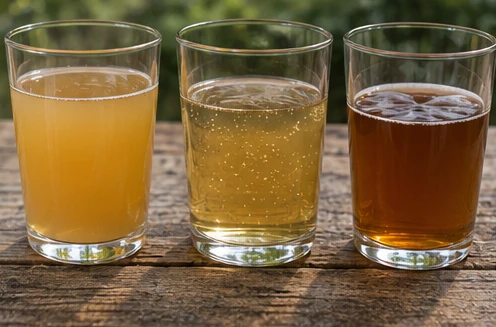
You cannot reliably diagnose every beer contamination from a photograph, an airlock pattern, or one unfamiliar smell. Normal fermentation can produce foam, sediment, and changing aromas, while unwanted…
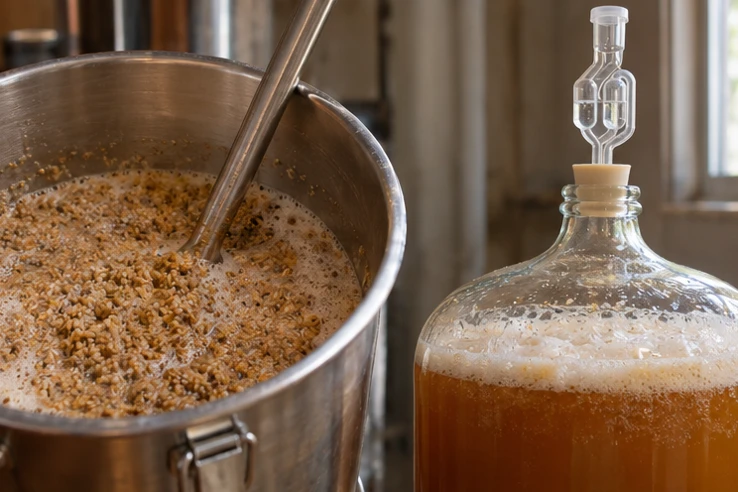
In ordinary beer brewing, the mash is not the yeast-fermentation stage. Mashing prepares wort through grain-and-water processing, including starch conversion; yeast fermentation happens later in the supported brewing…
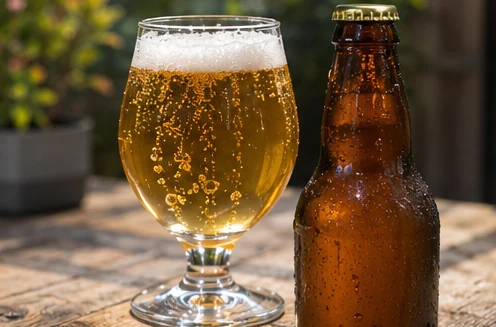
For ordinary homebrew, check carbonation with a representative properly chilled sample and a controlled pour, then compare the result with the intended beer. For a keg, also verify…
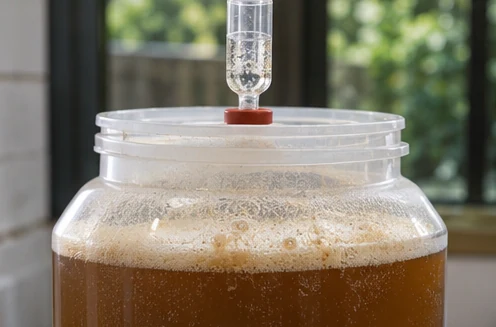
The most useful practical evidence that beer is fermenting is a credible gravity trend showing the wort changing under appropriate conditions. Foam, gas release and visible movement can…
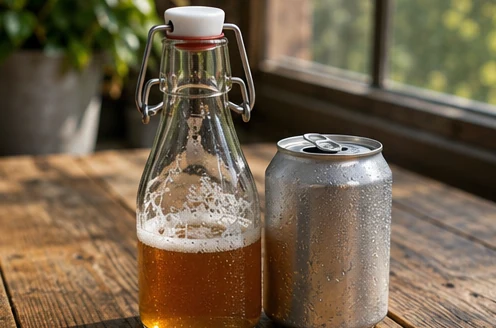
Opened beer is best enjoyed soon after pouring or opening, when its intended carbonation and aroma are still present. If you need to save some, appropriate cold storage…
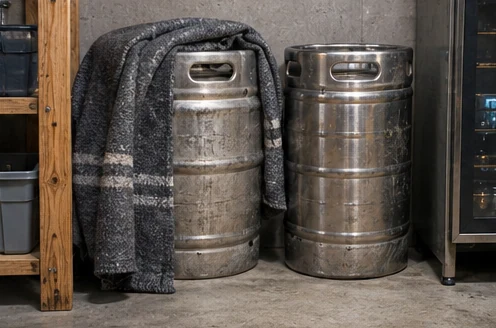
Store a keg according to the beer producer’s requirements and the keg supplier’s handling instructions. For most ordinary draft-serving situations, consistent appropriate refrigeration is central to quality. A…
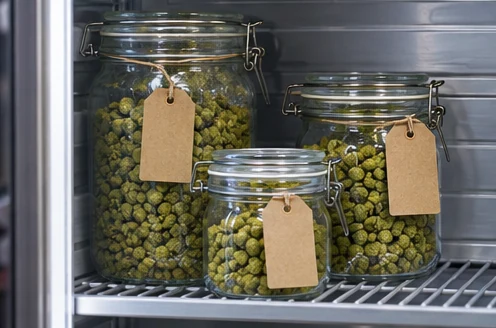
Store dried brewing hops cold, protected from oxygen and away from light. For homebrewers, a freezer and well-sealed oxygen-barrier packaging are a practical combination. Leave unopened supplier bags…
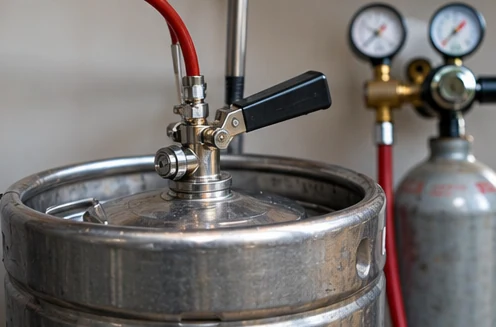
To stop keg foaming, first identify where the problem begins. Warm beer, a warm serving path, disturbed handling, dirty components, incompatible hardware, and incorrect system balance can all…
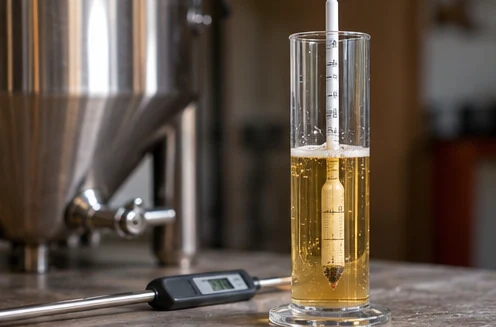
Stopping an active fermentation reliably is a different task from stabilizing a completed beverage against renewed activity. Refrigeration can slow fermentation, but it is not a permanent kill…
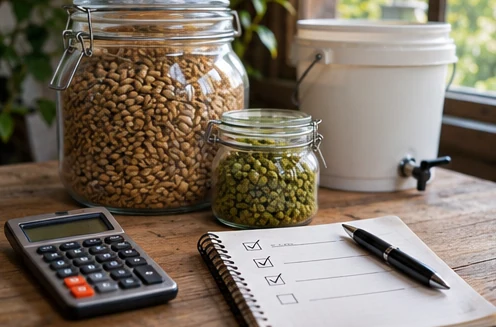
Saving money on beer is mostly about buying the right quantity, comparing equivalent purchases, and avoiding waste. The cheapest package is not always the best value if you…
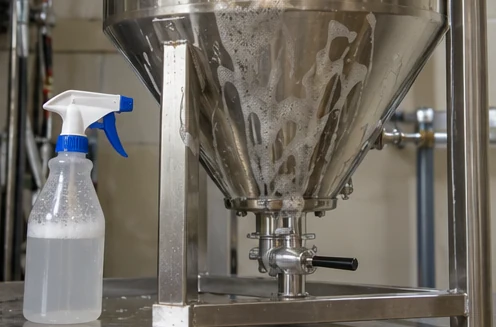
Sanitizing a conical fermenter begins after cleaning. A sanitizer cannot be relied on to remove dried yeast, hop deposits, beerstone, or debris hidden behind a seal. The useful…
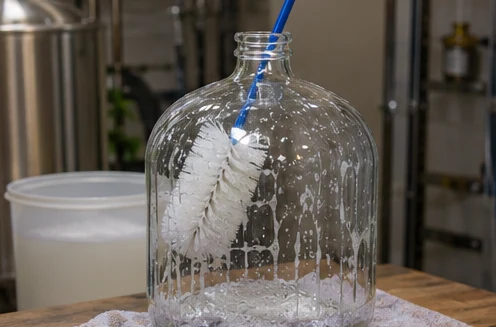
Sanitize a carboy only after it has been thoroughly cleaned and rinsed. Prepare a food-contact brewing sanitizer at its labeled dilution, wet every interior surface for the required…
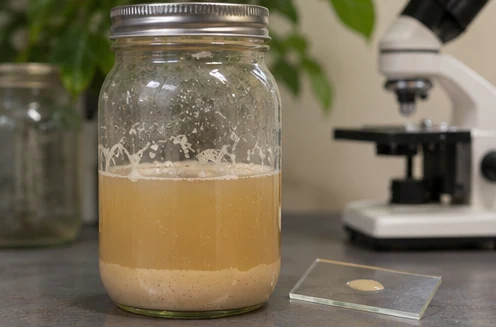
Reuse brewing yeast by selecting a suitable source fermentation, harvesting with an appropriate clean procedure, storing it under producer-supported conditions and assessing the culture before pitching into another…
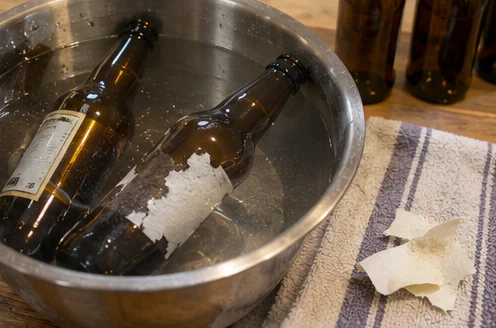
Remove beer bottle labels by soaking suitable reusable bottles in water with a compatible cleaner, peeling softened labels and gently clearing remaining adhesive. Rinse thoroughly afterward and inspect…
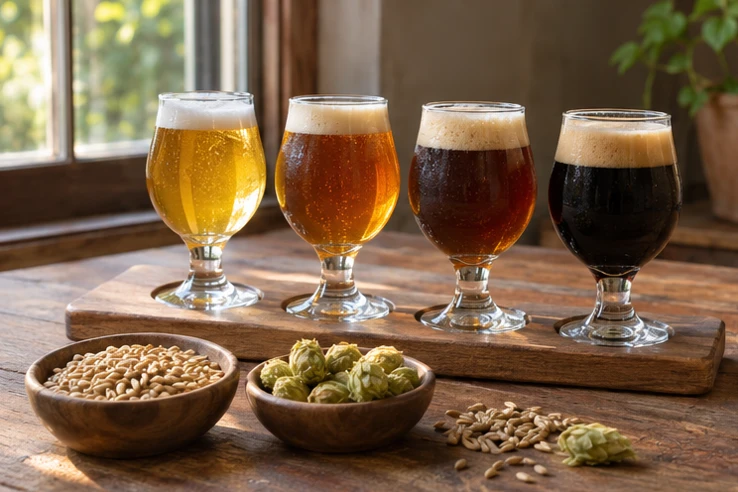
Rating beer is most useful when you decide what the rating means. A personal enjoyment score answers whether you would choose the drink again. A style-based assessment asks…
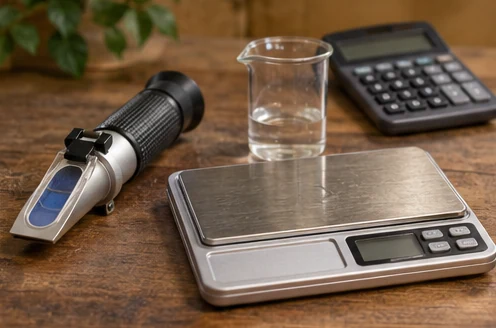
Without a hydrometer, you may still be able to estimate alcohol strength from reliable brewing records, calculate a mixed drink from known ingredients or obtain a laboratory measurement.…
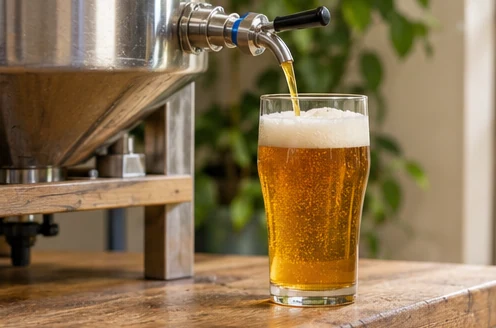
To pour homebrew without sediment, chill the bottle upright, handle it gently, pour in one steady motion and stop before the settled layer enters the glass. Leave a…
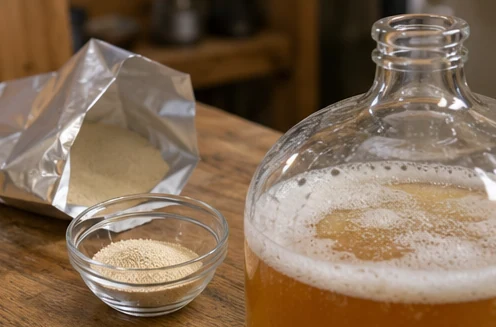
Pitching yeast means adding a suitable yeast culture to cooled wort. The essentials are a clean process, enough viable yeast, the correct temperature and the preparation method specified…
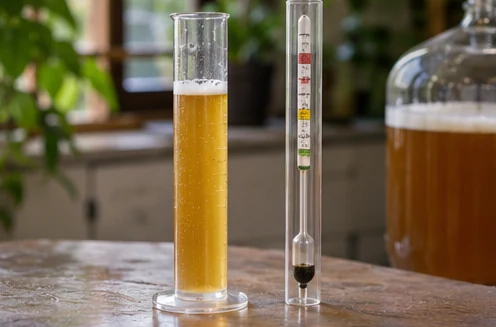
For ordinary homebrew beer, estimate alcohol content from reliable original and final gravity measurements using an appropriate calculation. A brewing hydrometer measures density, so it needs those records…
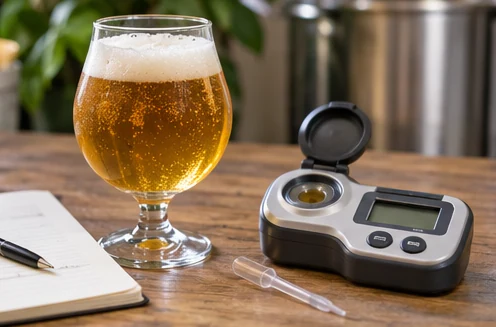
Without original gravity, you cannot obtain a reliable beer ABV from final gravity alone using the usual gravity-difference calculation. Your options are a qualified estimate from credible batch…
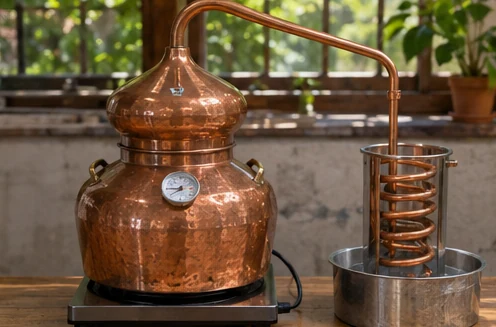
A still separates components through vaporization and condensation. Planning one requires a defined use, a supported design, compatible materials, and a way to manage heat and vapor safely.…
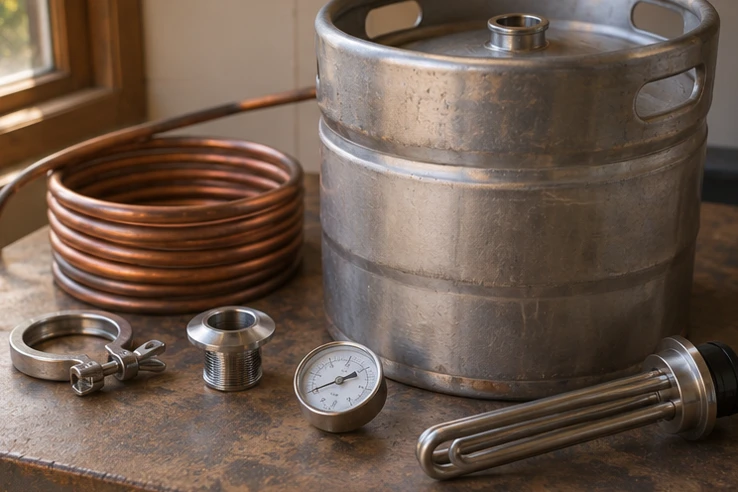
Turning a beer keg into a still involves more than attaching a condenser to the opening. The original keg was designed for a different purpose, and its material,…
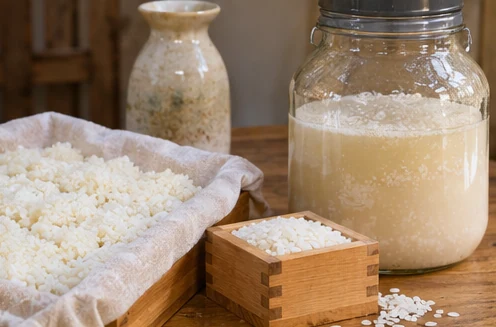
Sake is a brewed rice beverage that relies on koji enzymes to make rice starch available as fermentable sugars while yeast converts sugars into alcohol. It is not…
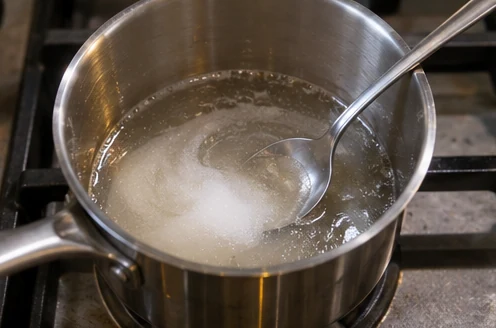
To make a priming sugar solution, first calculate the sugar needed for the beer you will actually bottle, dissolve that measured amount in a small quantity of potable…
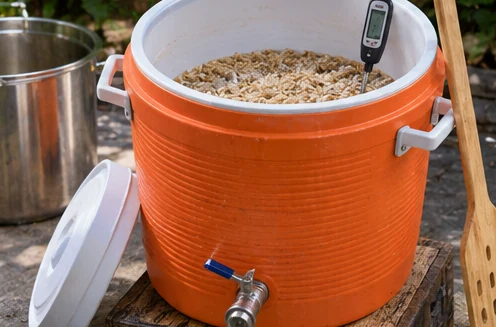
A mash tun holds crushed grain and water while the mash process takes place, then allows wort to be separated from the grain. Making one is not simply…
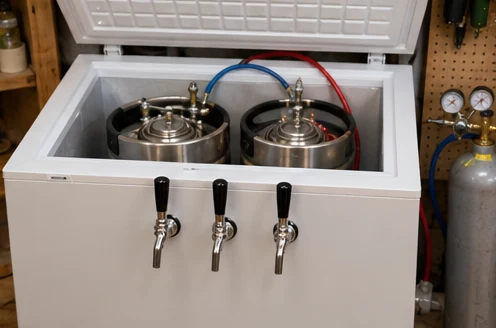
A keezer is a chest-freezer-based draft-beer setup operated at an appropriate serving temperature with suitable controls. To build one, confirm that the freezer and intended control method are…
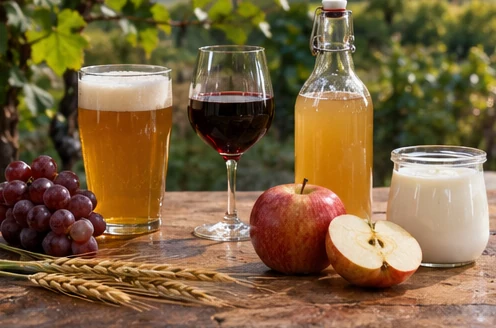
If you want to learn homemade alcohol production, choose a complete established cider, mead or beer recipe rather than an improvised hooch mixture. The word hooch does not…
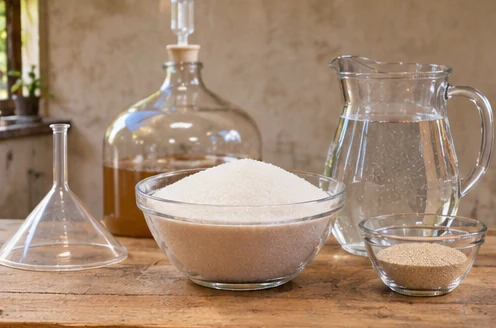
Sugar and yeast can form the basis of an alcoholic fermentation, but water, sugar and an arbitrary packet are not a complete beverage recipe. Use a supported sugar-based…
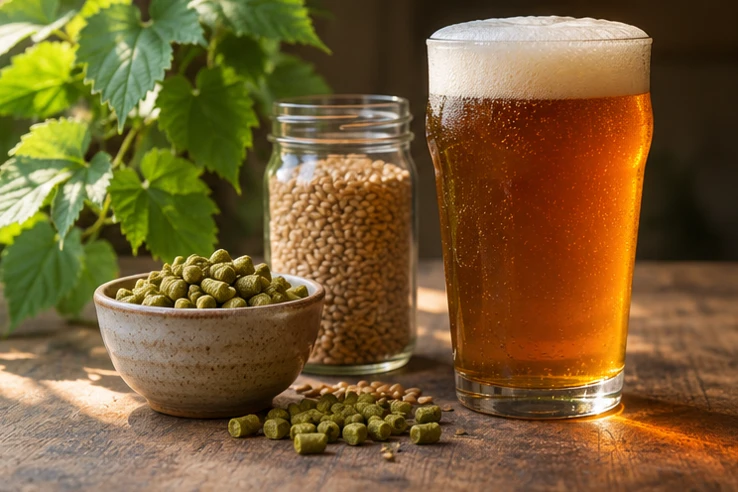
The most effective way to make beer taste better is often to change the serving conditions or choose a style that suits your preferences. A fresh beer, a…
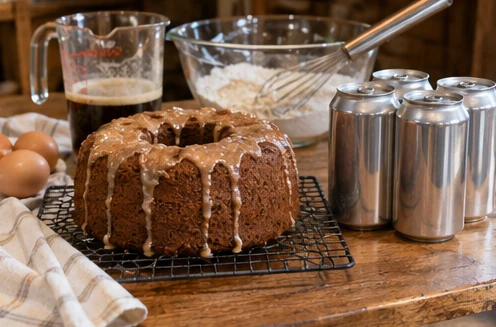
A beer cake can mean two different projects: an edible cake made with beer or a decorative gift built from unopened beer cans. Decide which one you want…
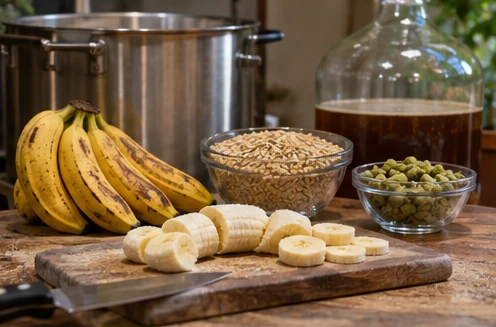
To make banana beer, first decide what the name means in your recipe. Traditional banana-based beverages, malt beer containing banana fruit and beer with banana-like yeast character are…
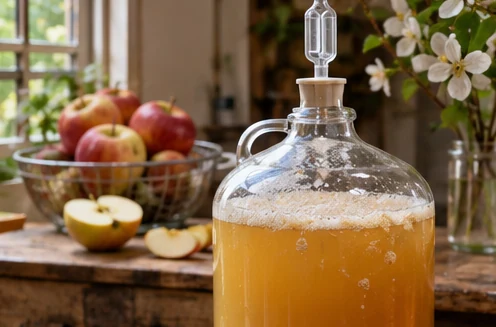
You can make some fermented beverages without adding a commercial yeast packet, but that does not mean yeast is absent. Spontaneous beer, cider and wine fermentations can involve…
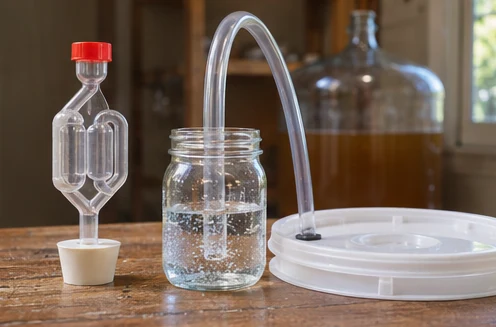
An airlock gives fermentation gas a path out of a compatible vessel through a liquid barrier. If you are asking how to make one, the most reliable homebrew…
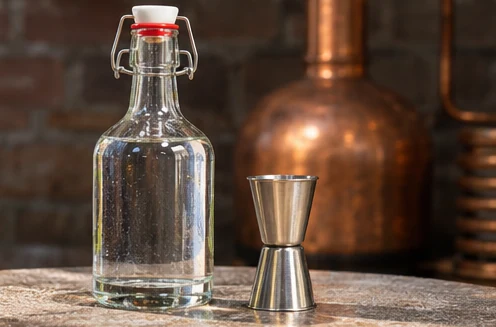
Under the current U.S. spirits convention, 190 proof means 95% alcohol by volume. It describes a highly concentrated ethanol product, not an ordinary beer strength and not a…
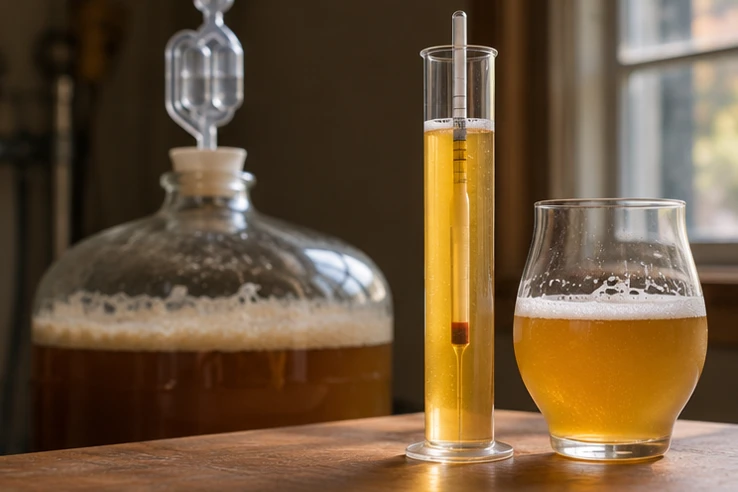
To know when fermentation is done, use reliable measurements over time and interpret them against the beverage, culture and process. Stable gravity is useful evidence, but an unexpectedly…
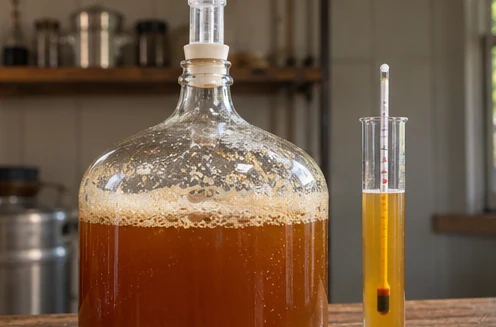
Homebrew is ready for a fermentation-completion decision when repeated gravity readings are stable under suitable conditions and the result is plausible for the wort and yeast. Airlock silence,…
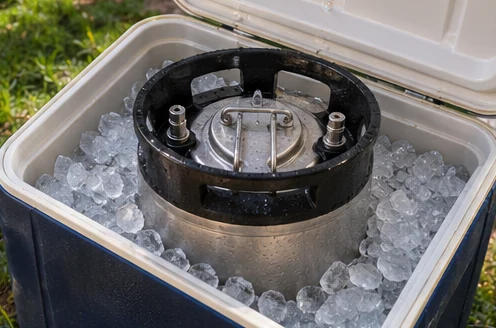
The most dependable way to keep a keg cold is a refrigerator or kegerator that can maintain the temperature required by the beer and dispensing setup. For a…
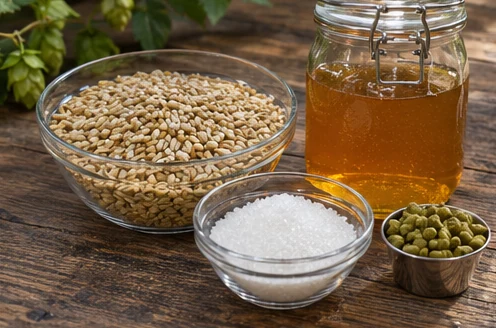
Increase beer ABV by planning more fermentable material, achieving the intended fermentation or adjusting recipe volume deliberately. First establish whether the beer is weaker than intended because of…
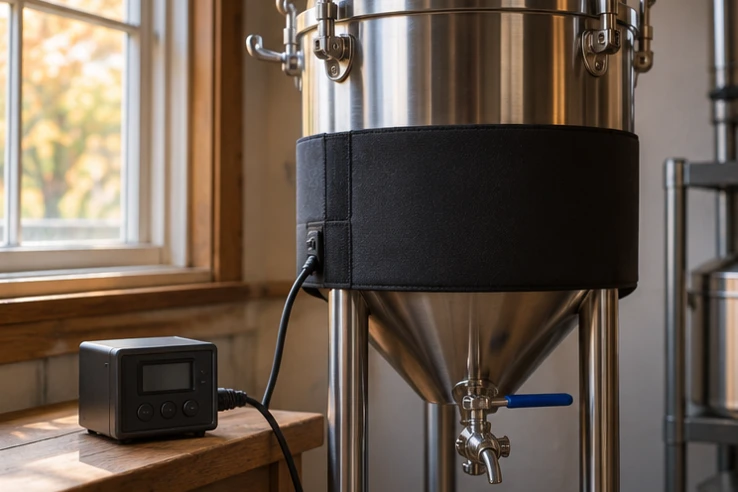
Heating a conical fermenter is a temperature-control task, not simply a matter of attaching the hottest available heater. The aim is to keep the beer within the range…
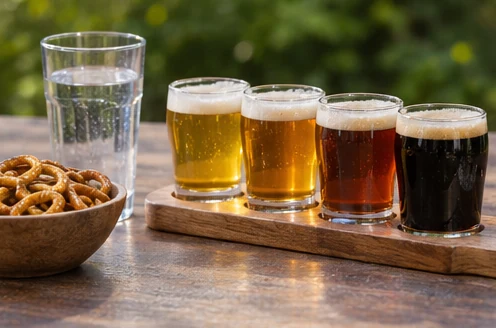
Trying to become drunk quickly with beer is a risky goal, not a brewing or tasting skill. Beer contains alcohol, and consuming it rapidly can create serious harm…
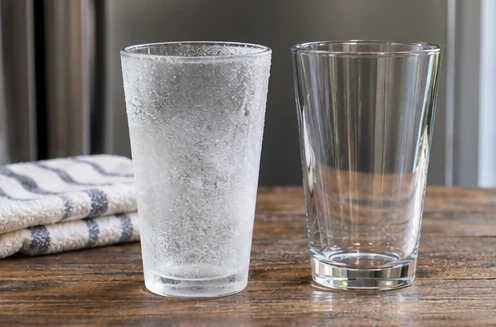
A frosted beer glass looks cold, but it is not the best default for serving every beer. A clean glass at room temperature or modestly chilled gives you…
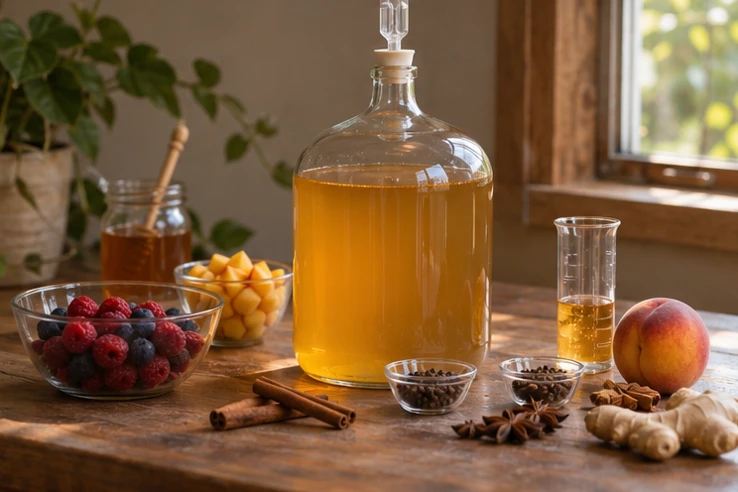
Flavoring mead works best when you begin with one clear aim and test additions in measured samples. Fruit, spice, herbs and oak can change aroma, acidity, sweetness, bitterness…
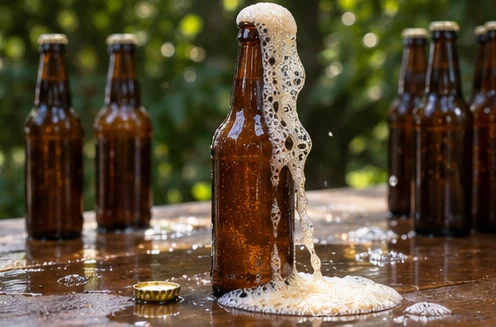
Overcarbonated bottled homebrew needs a careful assessment before any attempted fix. Stop distributing the batch, avoid shaking or warming questionable bottles, and establish whether excessive priming, incomplete fermentation…
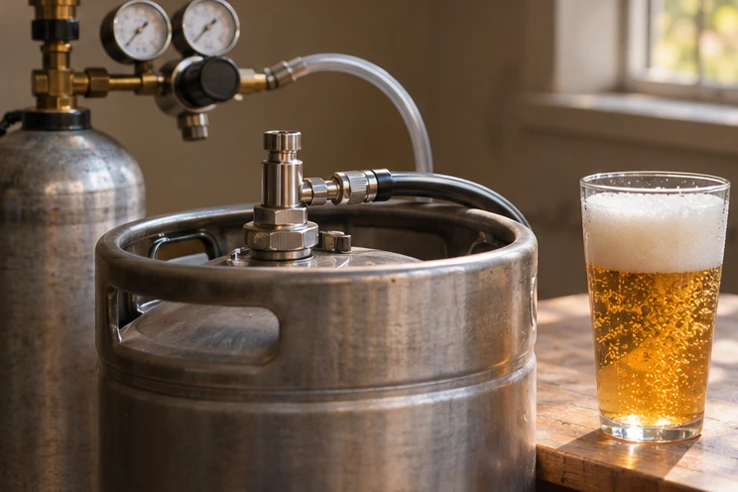
For overcarbonated beer in a keg, first confirm that excessive dissolved carbon dioxide is the problem. Warm lines, dispensing restrictions and an unsuitable pressure balance can also create…
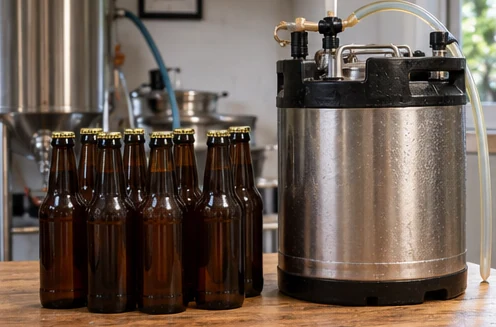
Fix flat beer by identifying whether the problem is bottle conditioning, a leaking package or an incorrectly configured keg system. For bottles, check the conditioning conditions and recorded…
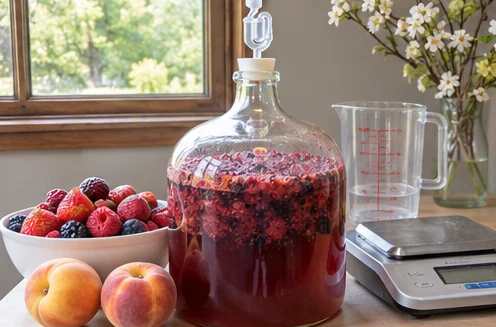
To ferment fruit into alcohol, choose a supported fruit-wine recipe, prepare suitable fruit or juice, pitch an appropriate living yeast culture and monitor the fermentation under that culture’s…
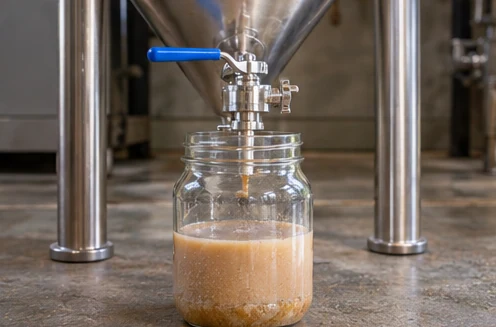
To dump trub from a conical fermenter, use its designated bottom dump port and follow the procedure for that exact vessel. Prepare the receiving arrangement, establish the permitted…
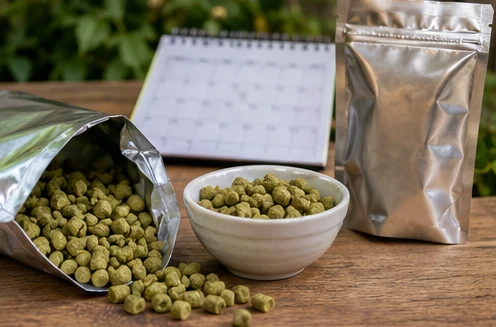
Dry hopping with pellets means adding hops to cooled, fermenting or fermented beer to build aroma without a conventional kettle boil. Start with a tested recipe, add the…
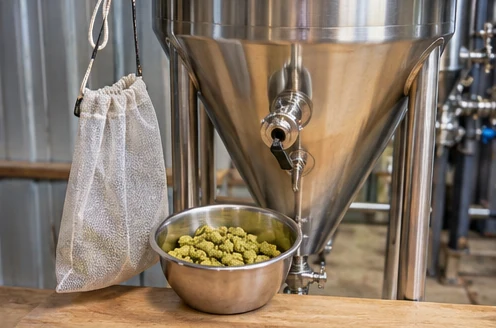
Dry hopping in a conical fermenter means adding hops to fermented or fermenting beer to influence aroma and flavor. The cone does not automatically make the addition oxygen-free,…
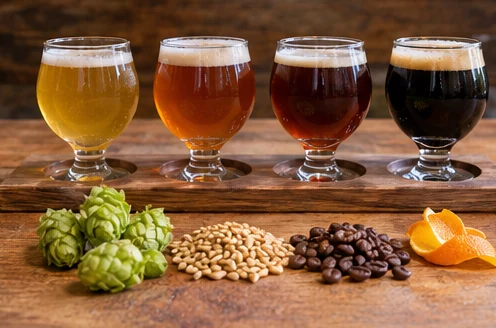
Describing beer works best when you report what you notice before deciding whether you like it. A useful description can be simple: pale gold, lightly hazy, citrus aroma,…
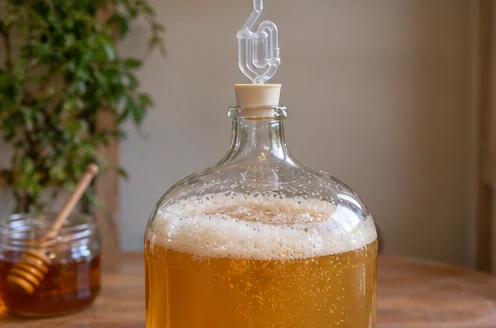
Degassing releases dissolved carbon dioxide from mead or fermenting must. In early fermentation, makers may use controlled agitation before a planned addition to reduce the risk of sudden…
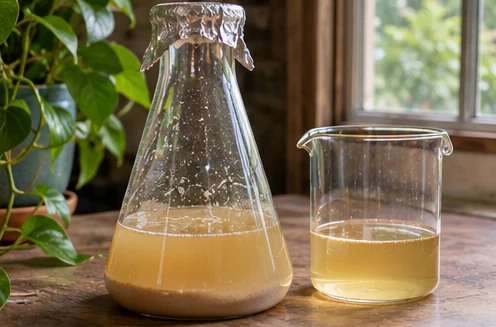
Decant a yeast starter by allowing its growth phase to finish, chilling it if appropriate for the culture, letting yeast settle, and carefully pouring off most of the…
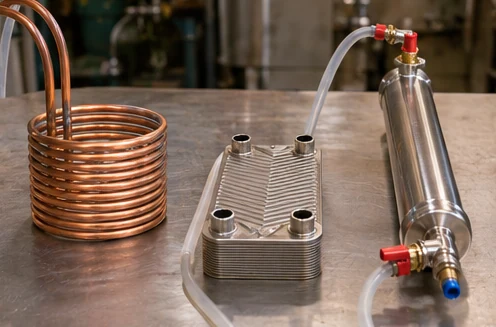
Clean a wort chiller immediately after use by removing wort and hop residue, applying a cleaner compatible with its materials, and rinsing thoroughly. The exact method depends on…
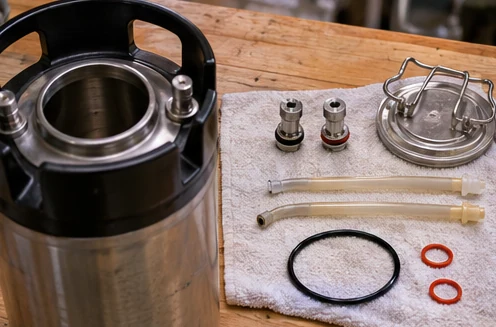
To clean a Corny keg, disconnect it from gas and beer lines, release all pressure, disassemble the accessible fittings, remove beer residue with a compatible brewery cleaner, and…
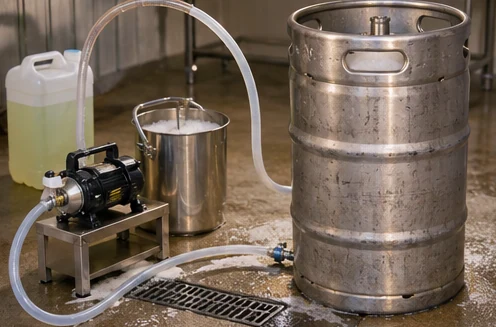
Clean a commercial keg using equipment and procedures supported for its exact valve and container, normally a suitable professional keg washer operated by trained personnel. A commercial D-system…
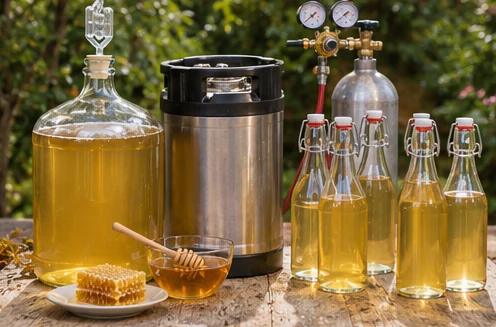
Mead can be still, gently sparkling or fully sparkling. To add carbonation, choose between controlled bottle conditioning and force carbonation with suitable equipment. The appropriate choice depends on…
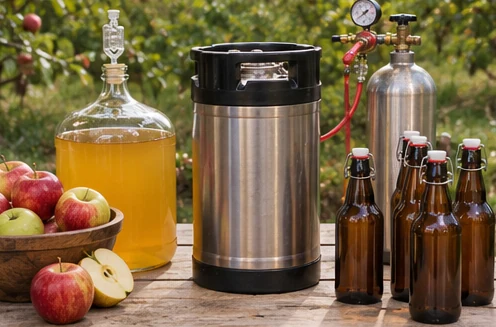
Hard cider can be carbonated by controlled bottle conditioning or by adding carbon dioxide through suitable kegging equipment. The choice depends on fermentation completion, desired sweetness and the…
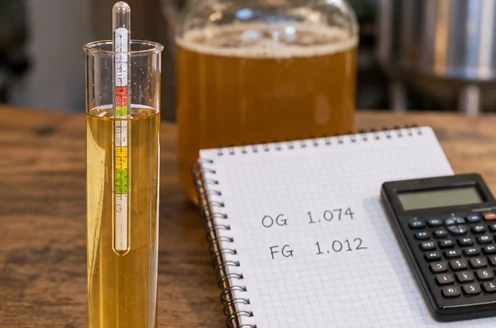
To estimate beer alcohol by volume from gravity readings, subtract final gravity from original gravity and multiply the result by 131.25. For example, a beer that starts at…
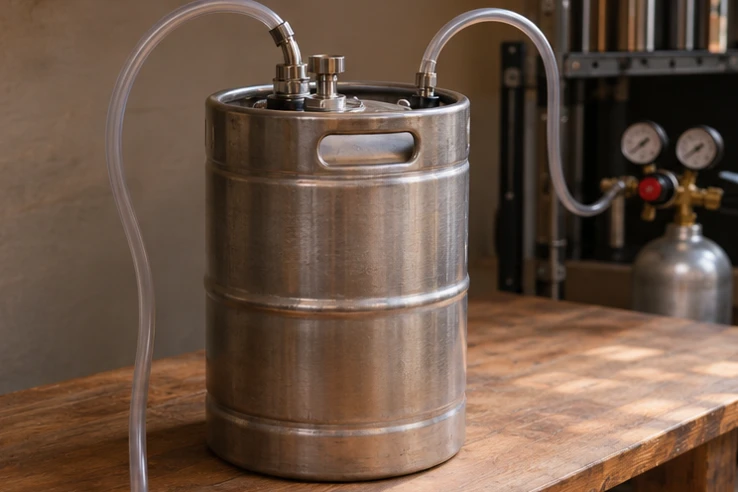
Building a thumper keg should begin with a documented system design and qualified fabrication, not a spare container and a guess about pipe positions. A thumper handles hot…
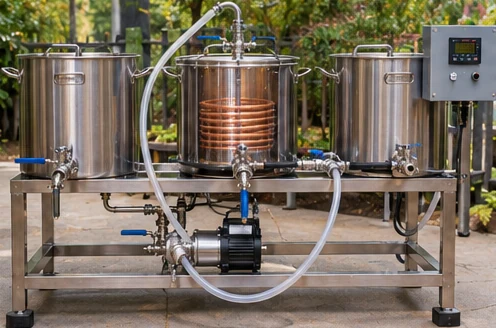
A HERMS brewing system recirculates mash liquid through a heat-exchanger coil in a separately heated water vessel, then returns it to the mash. HERMS stands for heat exchange…
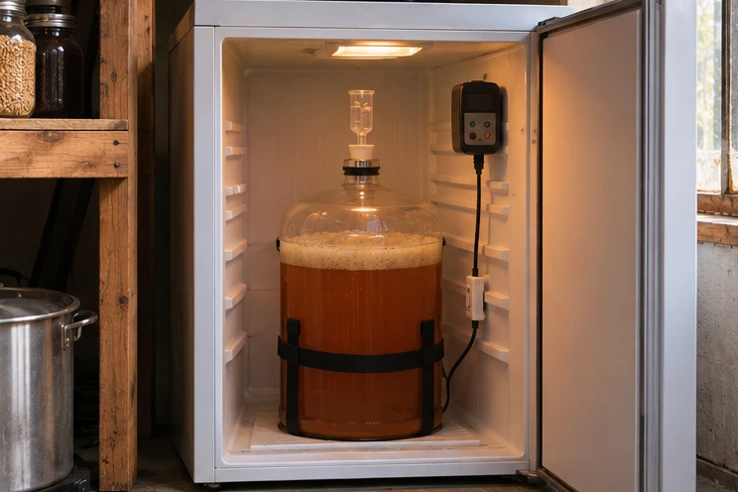
A practical DIY fermentation chamber uses a suitable refrigerator or freezer and a compatible external temperature controller to maintain a supported environment for your fermenter. The project is…
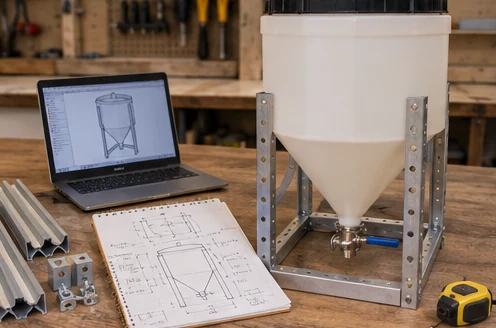
The most useful way to build a conical fermenter on a budget is to assemble a documented, compatible fermentation setup around a vessel intended for brewing. It is…
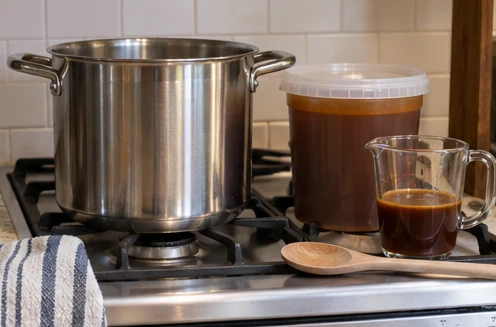
You can brew beer without buying a boxed kit. Purchase the ingredients and equipment separately, then follow a complete recipe. Malt-extract brewing is a manageable starting point because…
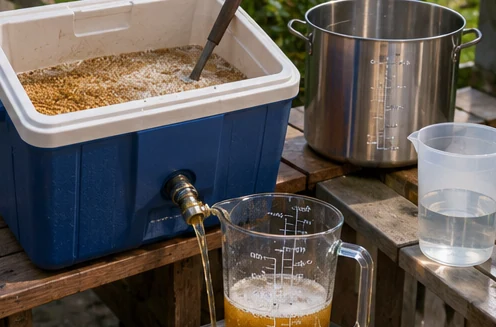
Batch sparging means draining the first wort from a mash, adding a measured batch of rinse water to the grain, stirring, briefly allowing the bed to settle, and…
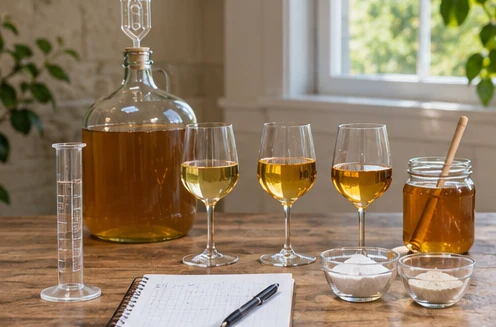
Backsweetening means adding sweetness after fermentation rather than relying only on the sugar that remains from the original must. The useful process begins with finished fermentation, a decision…
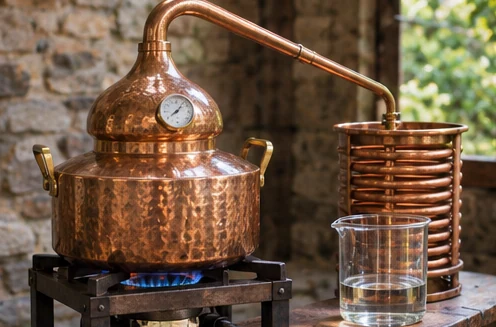
A still separates components of a liquid mixture through evaporation and condensation. Heat creates vapour, a designed path carries it, and a condenser removes heat so collected liquid…
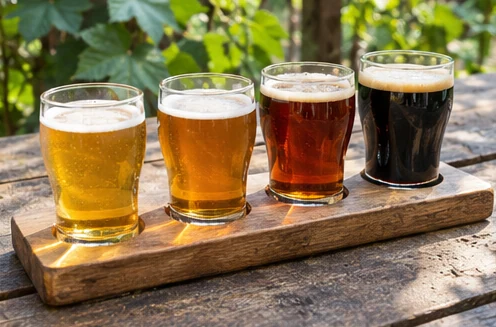
People like beer for different combinations of flavor, aroma, texture, and context. One person enjoys crisp bitterness, another likes toasted malt, and another prefers a fruity or tart…
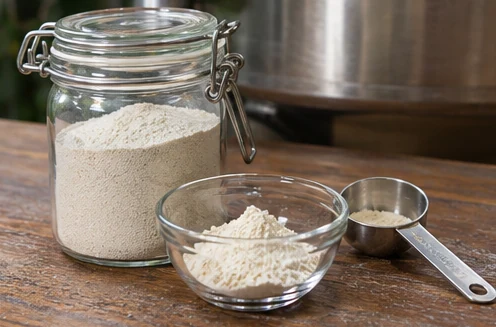
There is no universal teaspoon of yeast nutrient per gallon. Nutrient products differ in composition, purpose and addition timing, so use the exact label for the beverage you…
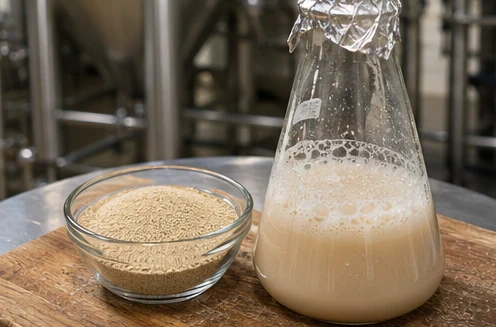
The amount of yeast needed for beer depends on the strain, actual wort volume, original gravity, fermentation conditions and the condition of the culture. Start with the manufacturer’s…
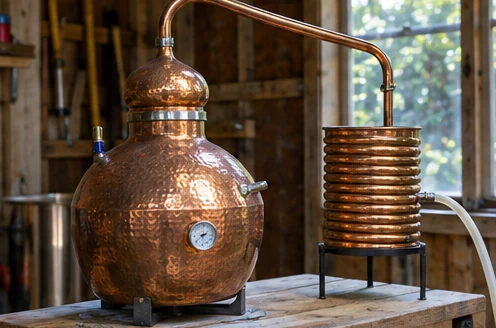
A still is worth what a buyer will reasonably pay for the exact documented equipment in its actual condition and market. Capacity or metal appearance alone cannot establish…
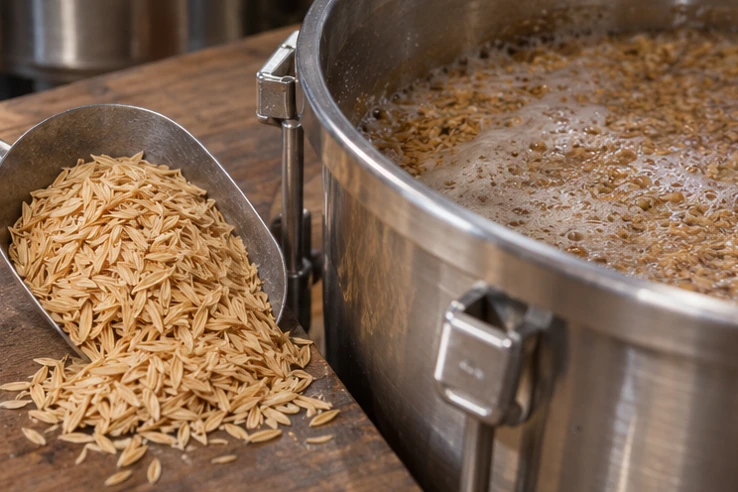
Rice hulls are a filtration aid, so calculate their addition against your grain bill and your lautering problem rather than the finished beer’s gallons alone. Briess recommends a…
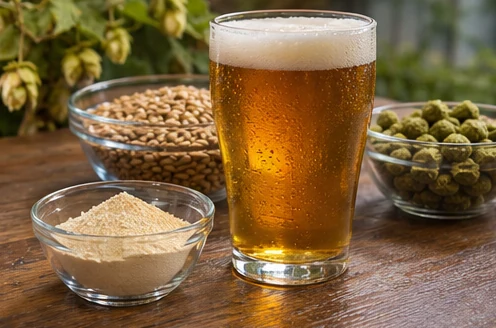
Beer can contain protein, but the quantity varies by product and serving size. There is no single gram figure that describes every lager, stout, wheat beer and flavored…
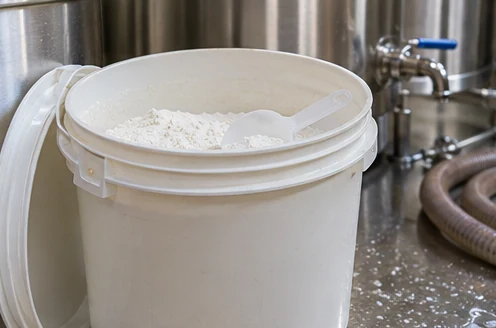
The right amount of PBW per gallon depends on the formulation, the cleaning job and the instructions on your product. Powder, liquid and tablets have different measuring methods.…
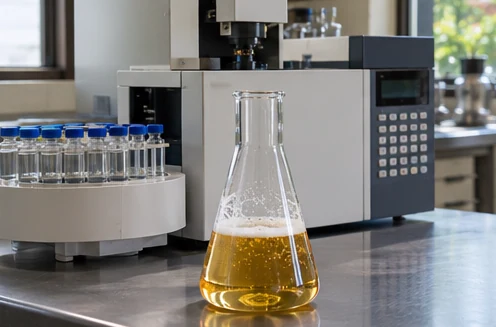
There is no single methanol concentration that describes every beer. Ingredients, processing and analytical methods matter, and an actual product value requires suitable testing or reliable producer data.…
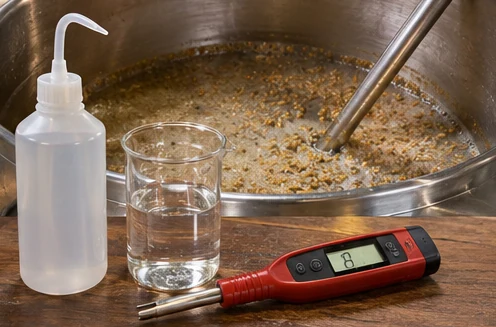
The lactic acid needed for a mash depends on the water’s alkalinity, grain bill, water volume, other adjustments and acid concentration. There is no reliable milliliters-per-gallon dose for…
A useful brewpub startup cost is the total cost of your specific premises, brewing operation, hospitality service and cash needed through opening and early trading. There is no…
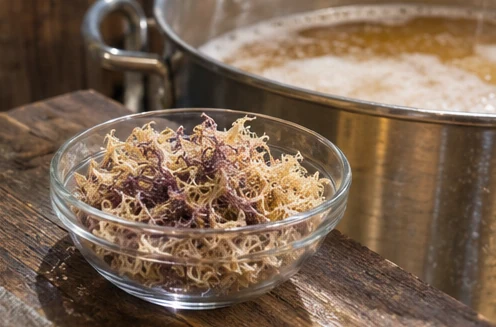
Use the directions for your brewing Irish moss product and the actual wort volume being treated. For one identified example, Northern Brewer specifies one teaspoon per five gallons…
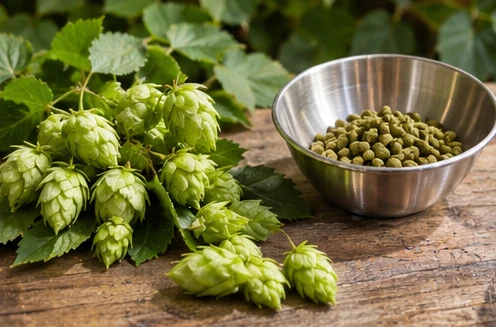
There is no single hop weight for every one-gallon beer. Bittering additions depend on the target, the lot’s alpha-acid content and estimated utilization, while late and dry-hop additions…
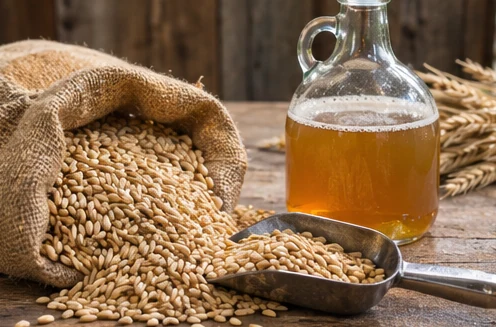
The grain needed for one gallon of all-grain beer depends on target original gravity, malt extract potential and your brewing efficiency. As an illustrative calculation, one US gallon…
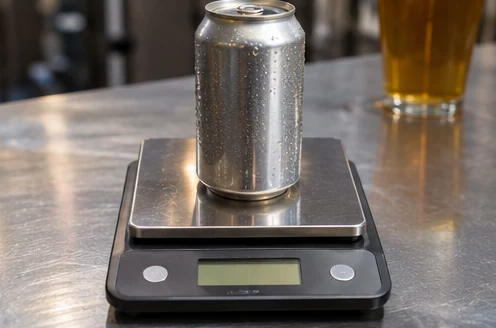
A full can of beer weighs the beer plus the empty can, lid, and any other package material. There is no exact universal weight for a twelve-ounce or…
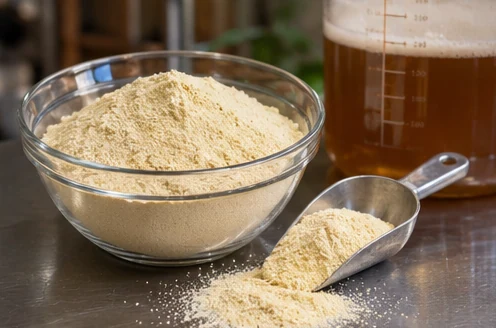
To estimate how much dry malt extract raises wort gravity, multiply the needed gravity-point increase by the batch volume, then divide by the extract’s stated yield. With volume…
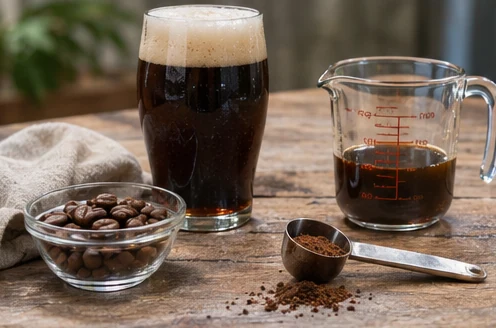
There is no single coffee quantity that suits every beer. Coffee variety, roast, extraction strength and the base beer all affect the result. A practical approach is to…
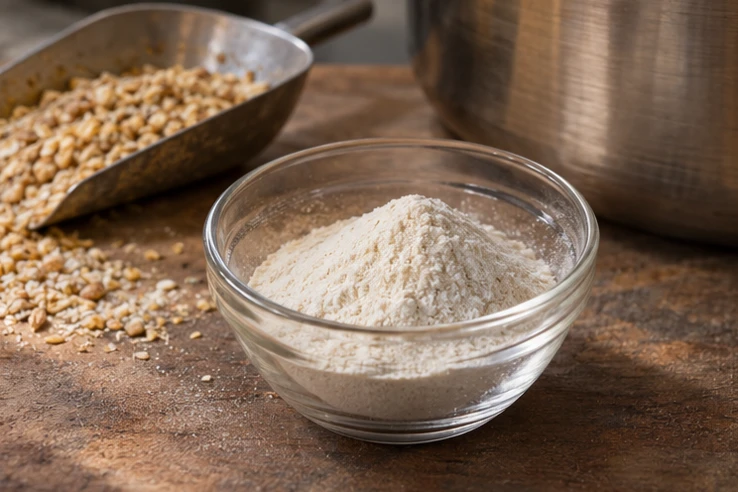
Use the dosage specified for your exact amylase product and its intended application. There is no universal teaspoon-per-gallon amount for every brewing enzyme. Products differ in enzyme type,…
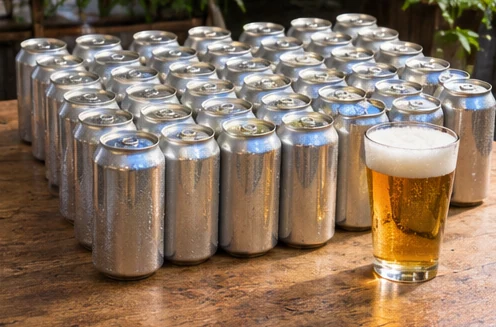
One hundred one-US-fluid-ounce measures of beer total one hundred fluid ounces, or about 2.96 liters. That is eight full 12-ounce cans plus four ounces. If each measure is…
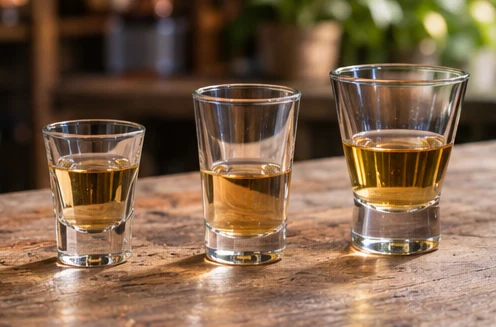
There is no universal number of shots that makes a person drunk. The word shot does not specify one serving volume, the contents may have different strengths, and…
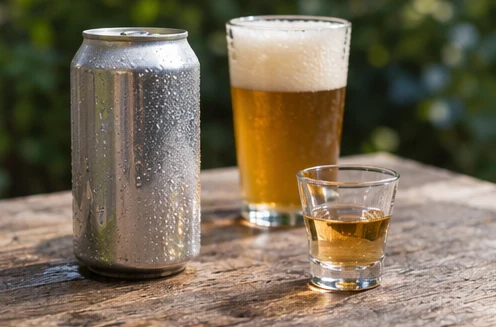
A 12-US-fluid-ounce can contains eight 1.5-ounce shot-sized portions by liquid volume. That does not mean it contains eight shots’ worth of spirits alcohol. If the beer is 5%…
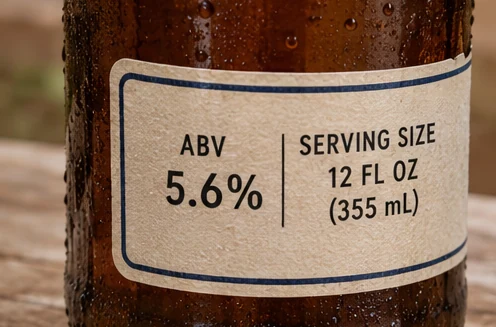
Beer does not have one universal alcohol percentage. Alcohol by volume, usually written ABV, states the proportion of the beverage’s volume that is alcohol. Read the actual product’s…
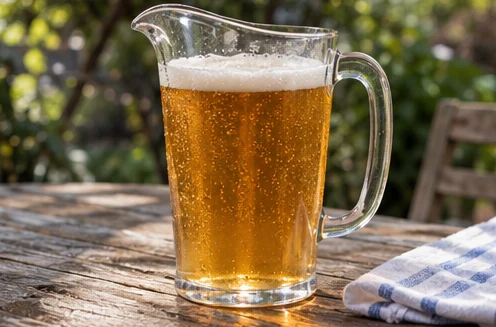
A beer pitcher does not have one universal volume. Common examples include sixty and sixty-four US fluid ounces, but manufacturers also offer smaller and other-sized pitchers. Check the…
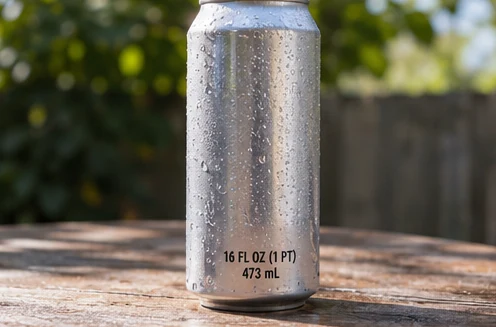
In US beer conversation, a tall boy often means a sixteen-fluid-ounce can. The term is informal, however, and a shop or drinker may use it more loosely for…

A blood alcohol concentration calculator estimates a value from assumptions and information you enter. It does not measure your blood, diagnose intoxication or establish that you can drive…
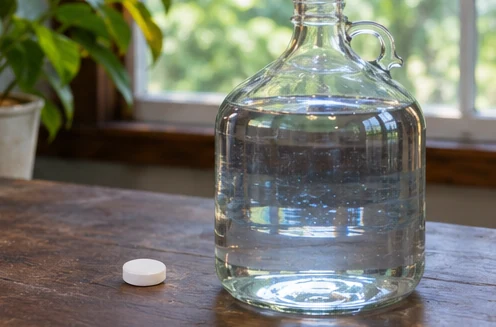
The number of Campden tablets per gallon depends on why you are using them and what each tablet contains. Brewing-water treatment generally uses much less than a typical…
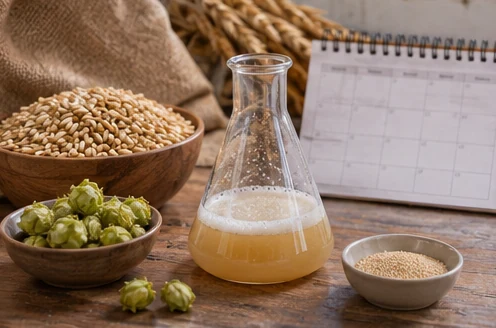
Yeast can begin producing alcohol as fermentation develops, but making a finished alcoholic beverage usually takes longer than producing its first alcohol. Beer, cider, wine and mead have…
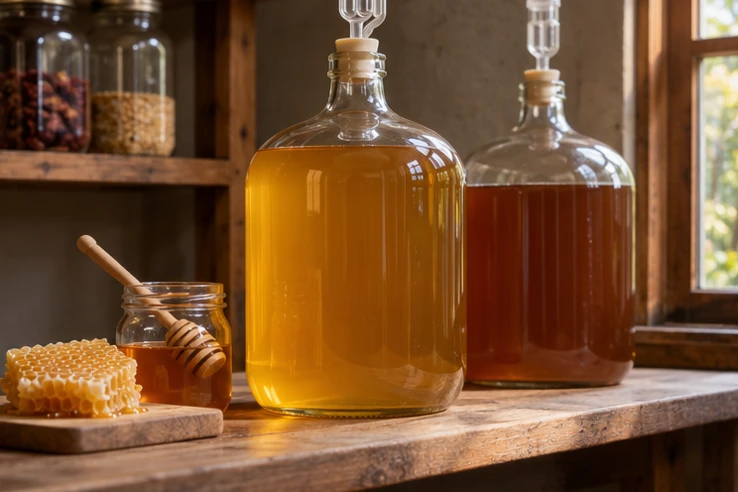
Mead has no universal aging requirement. Some sound, lighter recipes can be enjoyable relatively young, while other recipes benefit from additional time. The right question is whether a…
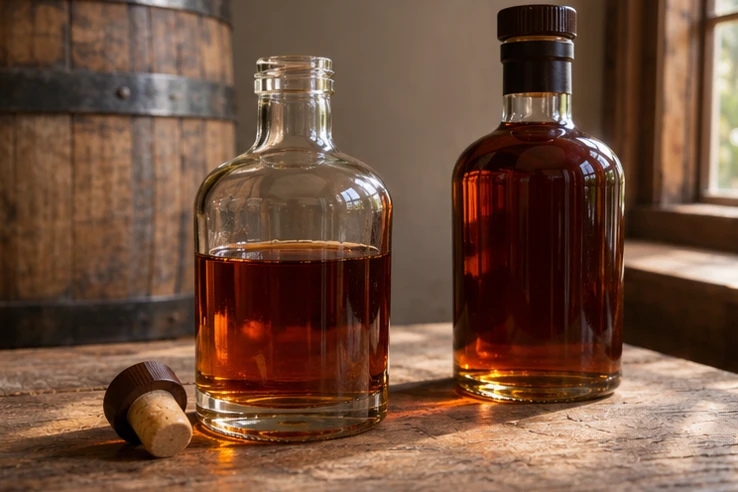
Ordinary commercially bottled rum can retain its quality for years when unopened and stored appropriately. After opening, its character may gradually change, so the producer’s guidance is the…
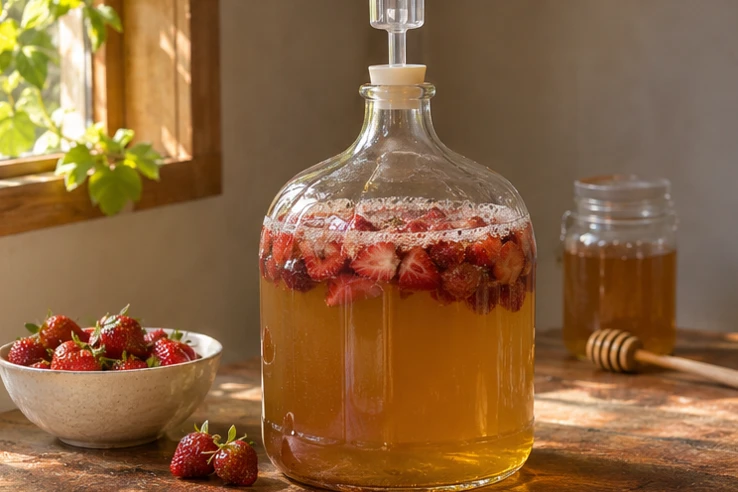
There is no universal time for leaving fruit in secondary mead. The right contact period depends on the fruit, its form, the amount used, temperature and the result…
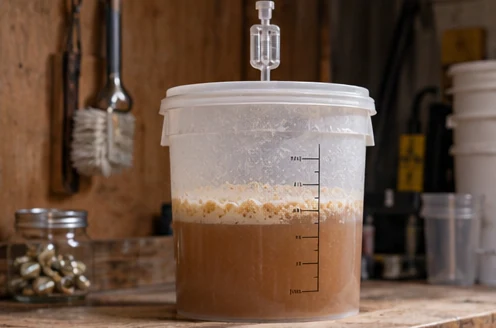
Leave beer in its primary fermenter until it has completed fermentation and reached the condition needed for the next planned step. Many ordinary homebrews can finish and settle…
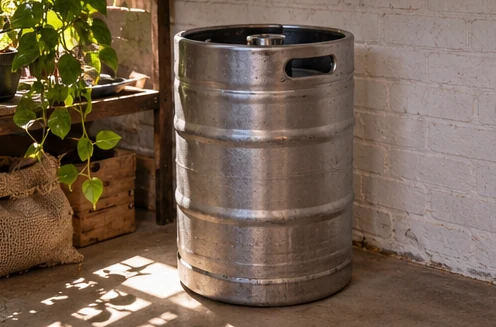
There is no universal number of hours or days that a keg lasts unrefrigerated. The answer depends on the beer, its previous storage, the actual temperature, the duration…
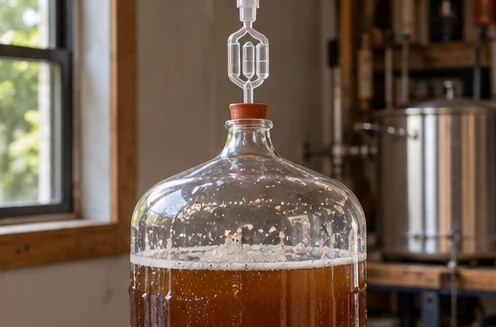
Homebrew can often remain in an appropriate, intact fermenter beyond the first date you planned to bottle it. There is no universal number of days that makes every…
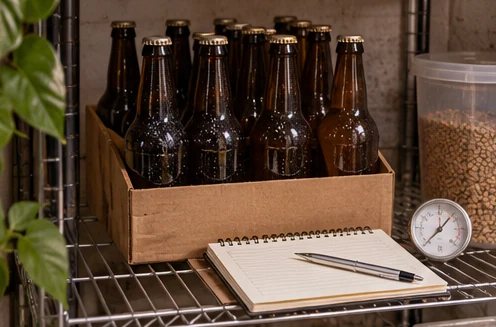
Homebrew beer has no universal shelf-life date. Its useful drinking window depends on the recipe, packaging quality, oxygen exposure and storage conditions. Many ordinary beers are best approached…
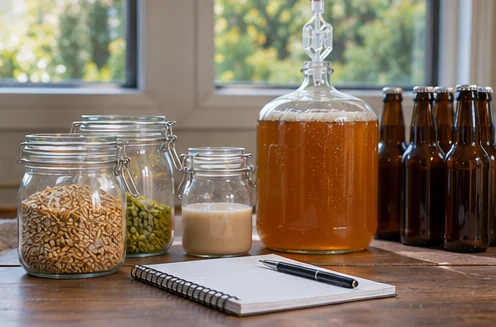
Making a typical bottle-conditioned homebrew is usually a project measured in weeks, with a brew session and packaging session separated by fermentation and conditioning. A broad four-to-six-week planning…
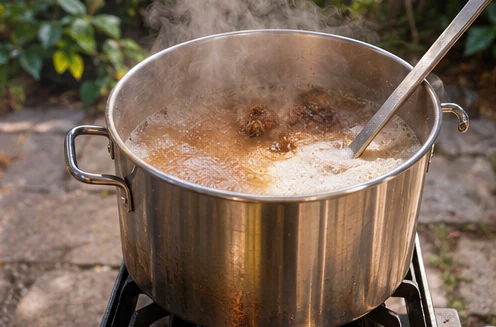
For a conventional homebrewed ale, plan in weeks rather than days. A useful planning allowance is roughly four to six weeks from brew day to a bottle-conditioned beer,…
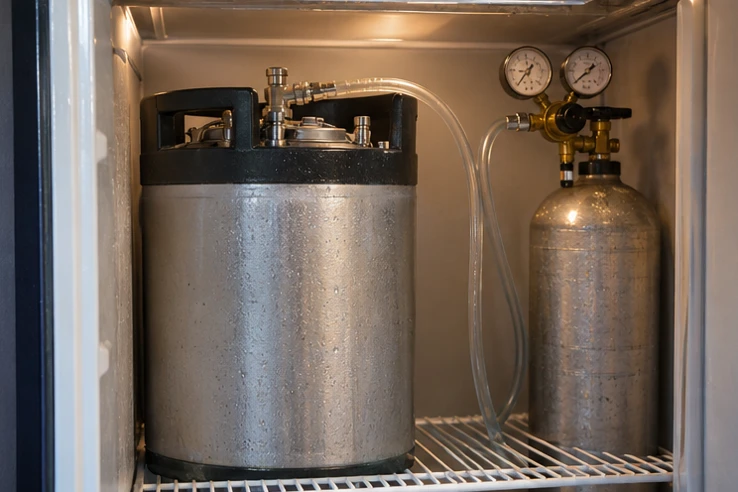
A keg lasts as long as the beer’s recommended freshness window and its handling conditions allow; there is no universal number that fits every beer and every draught…
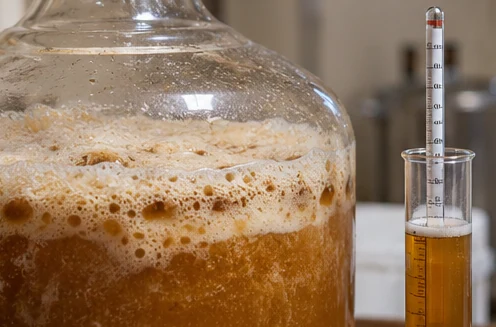
Beer fermentation can take days to weeks depending on the culture, wort and conditions, and the most visible activity is not the whole process. For an ordinary beginner…
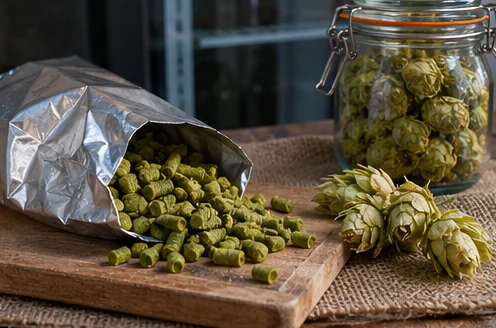
Hops do not have one universal shelf life. Unopened, properly stored commercial pellets can retain useful brewing quality for years, while opened or poorly stored hops can change…
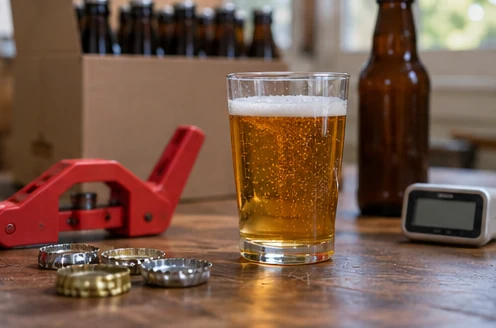
Bottle conditioning commonly takes a few weeks, but the beer’s condition, culture and storage environment determine the actual result. Plan an initial assessment after about two weeks for…
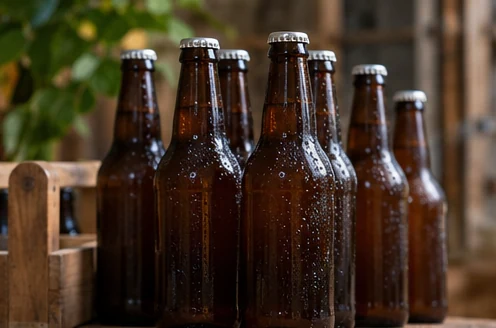
You can open a homebrew bottle whenever you choose, but a freshly packaged bottle-conditioned beer usually needs time before it gives a useful picture of the finished batch.…
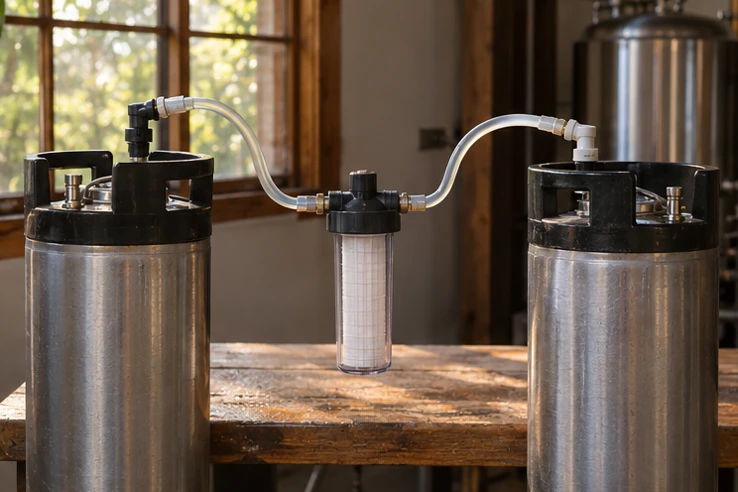
Filter beer by transferring a finished, suitably settled batch through beer-compatible filter media into a prepared receiving vessel. For homebrewers, a purpose-built keg-to-keg system is a common approach.…
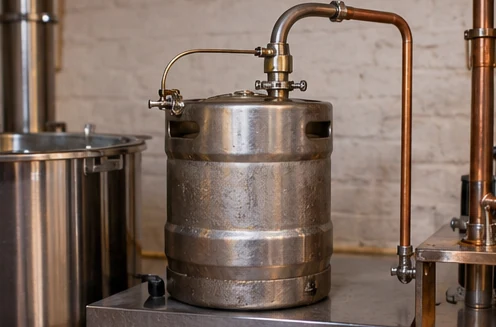
A thump keg, usually called a thumper or doubler, is a vessel used in some distillation arrangements between a boiler and a final condenser. Incoming vapour interacts with…
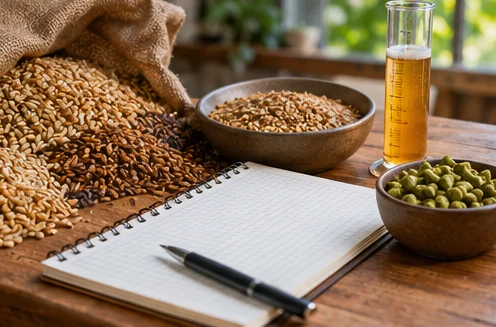
To make a stronger homebrew, plan more fermentable material relative to the finished batch volume and choose a yeast process that can ferment it successfully. Strength depends on…
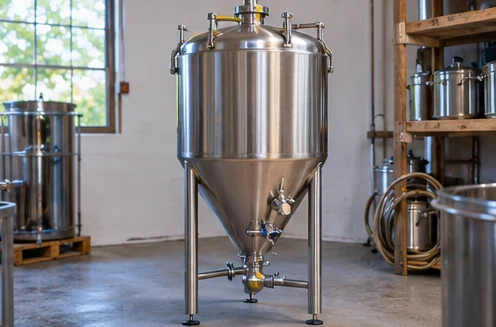
A conical fermenter has a cone-shaped bottom that concentrates settled material in a smaller area. On models with a bottom dump valve, that material can be removed without…
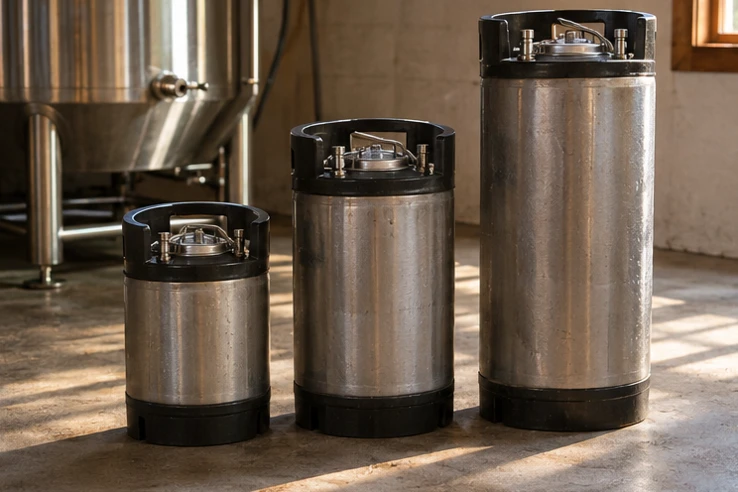
A thumper keg should be the size specified for the complete supported distillation system, rather than a container chosen from a universal percentage of boiler capacity. Nominal volume…
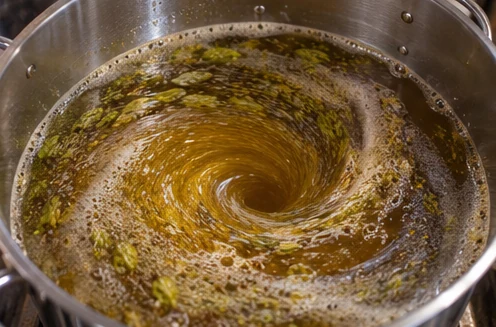
A hop stand describes a period when hops remain in hot wort after the boil. A whirlpool describes wort movement, usually created by stirring or pumping in a…
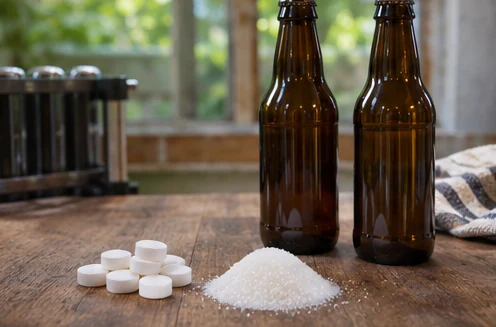
Fizz Drops are premeasured sugar portions used to carbonate bottle-conditioned beer. Loose priming sugar serves the same underlying purpose: yeast consumes the added fermentable sugar and produces carbon…
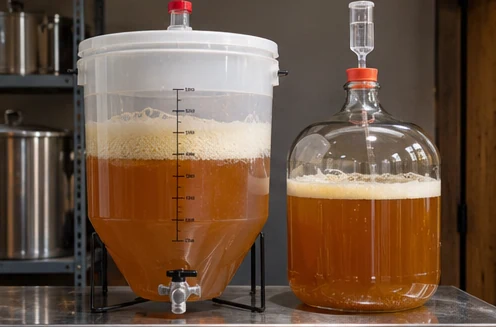
In everyday homebrewing, “fermentor” and “fermenter” often refer to the same thing: a vessel in which fermentation takes place. The spelling alone does not reliably tell you whether…
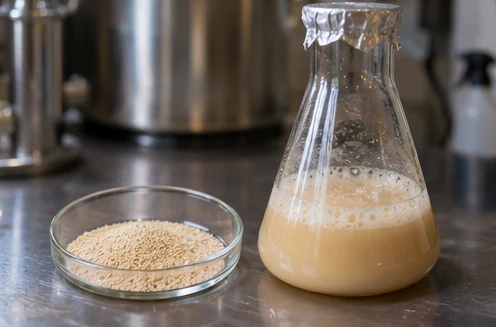
Dry and liquid brewing yeast can both make excellent beer. Choose the strain that fits the recipe, then make sure you have enough healthy yeast and can follow…
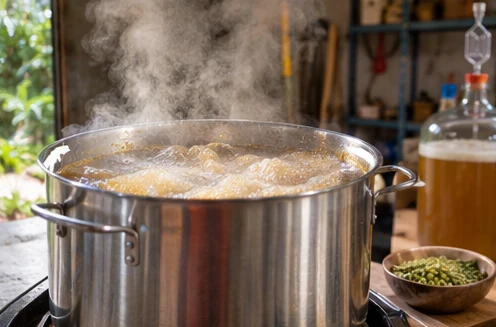
Homebrewing usually produces noticeable aromas. Mash and boil stages often smell grainy, sweet, toasty or herbal, while fermentation can release yeast-related and sometimes sulfurous notes. The intensity depends…
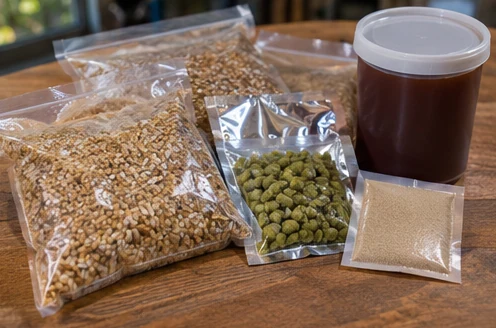
Homebrew kits contain ingredients with different shelf lives and storage needs, so one printed date cannot describe the condition of every component. Yeast can lose performance, hops can…
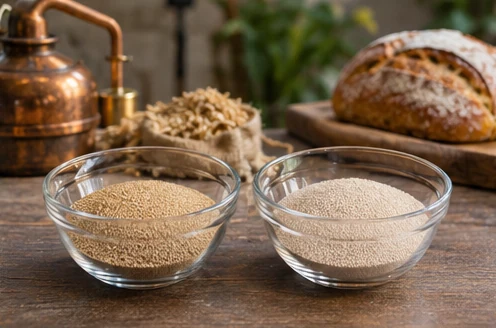
Distiller’s yeast is selected for a particular fermentation used in beverage-spirit production, while baker’s yeast is selected for dough performance. Both categories contain living cultures capable of fermentation,…
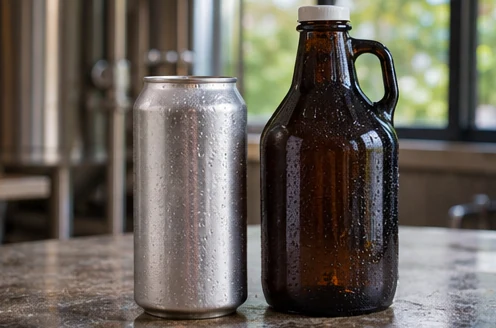
A crowler is a large can filled and sealed at a brewery or taproom. A growler is a reusable container filled with draft beer, commonly a glass jug…
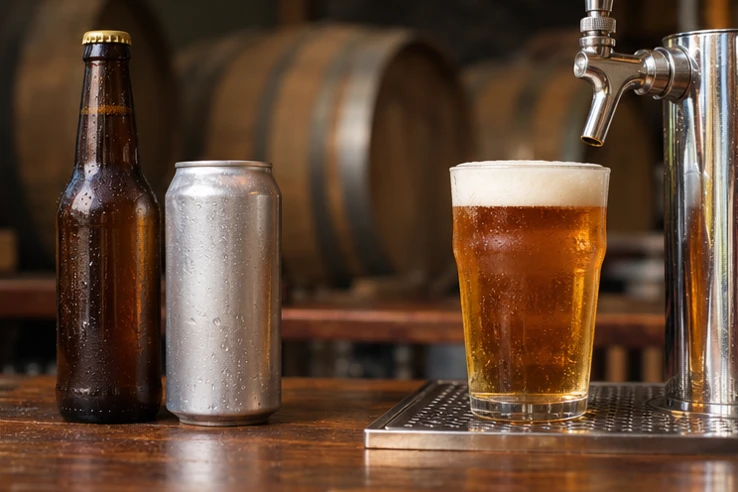
Craft and draft beer are different kinds of descriptions. Craft usually refers to the producer or a market identity. Draft, also spelled draught, refers to beer dispensed through…
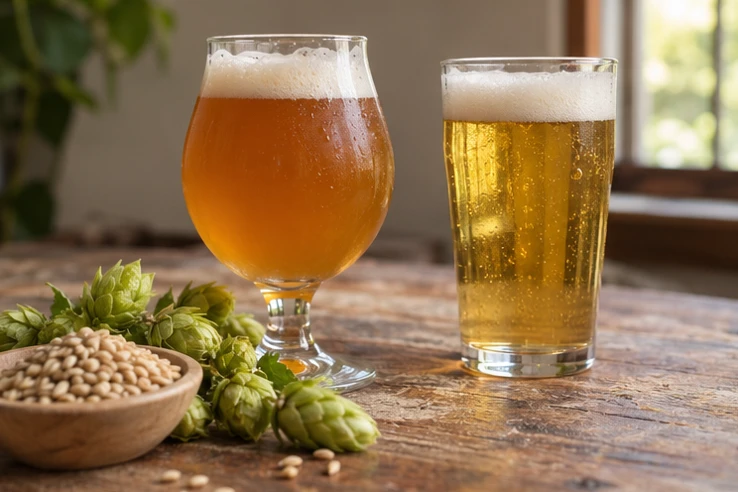
Craft beer and domestic beer are not opposite categories. Domestic describes a product’s relationship to the market where it is sold, commonly meaning beer produced within that country.…
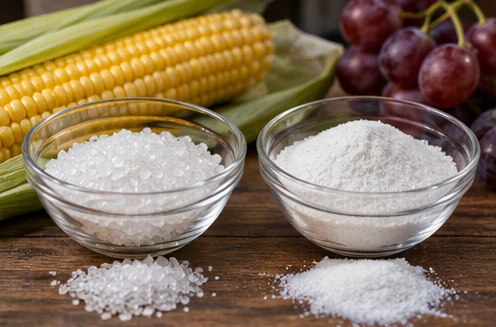
In homebrewing, corn sugar usually refers to dextrose, a form of glucose commonly sold as dextrose monohydrate. These are often two names for the same brewing ingredient rather…
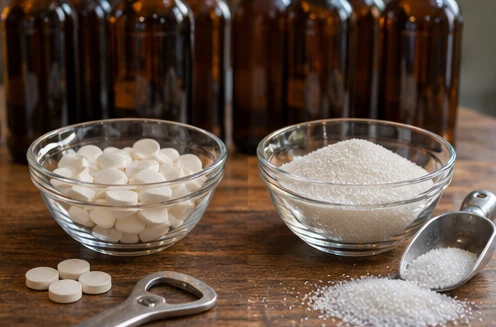
Carbonation drops are premeasured sugar portions added to individual bottles; bulk priming uses a calculated sugar solution mixed through the beer before filling. Both rely on yeast to…
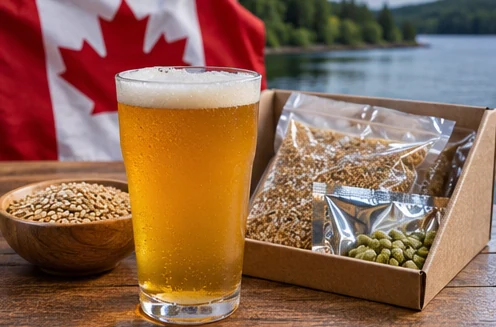
Canadian Blonde can describe a beer or recipe name, and it is also the name of a Coopers brewing extract. It should not be treated as a universal…
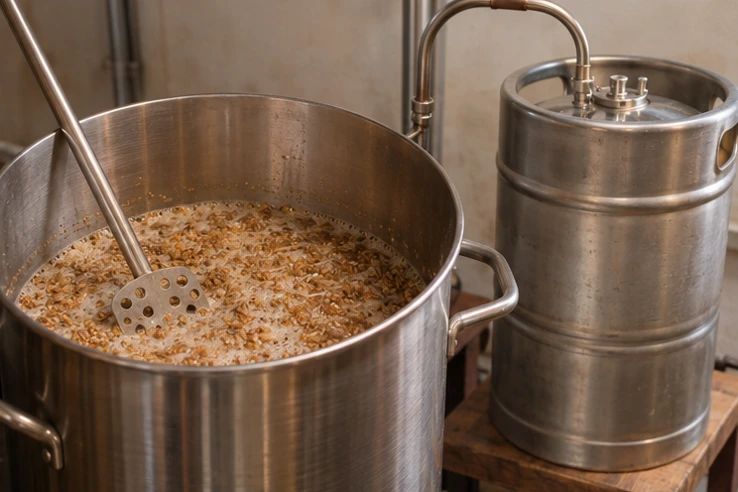
Do not put grain mash or an arbitrary fermented mixture into a thumper keg unless the exact equipment’s manufacturer explicitly supports that material and method. A thumper is…
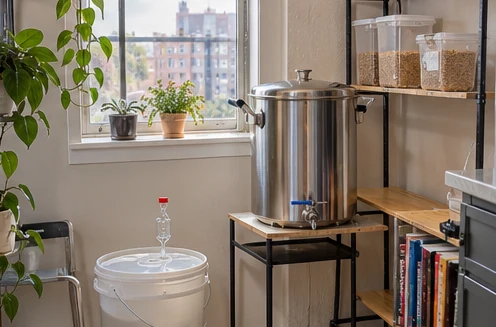
You can often brew beer in an apartment when local rules, your lease and the building’s safety requirements allow it. The practical challenge is fitting the whole process—not…
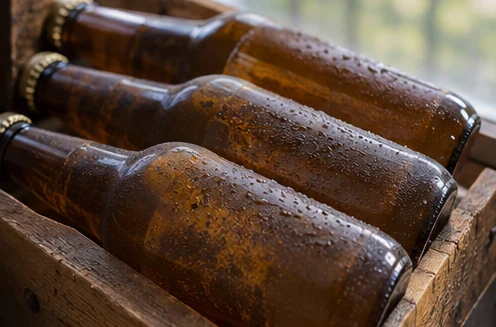
A beer past a quality date is not automatically the same thing as a contaminated beverage, but a date cannot guarantee that a particular container is safe. Identify…
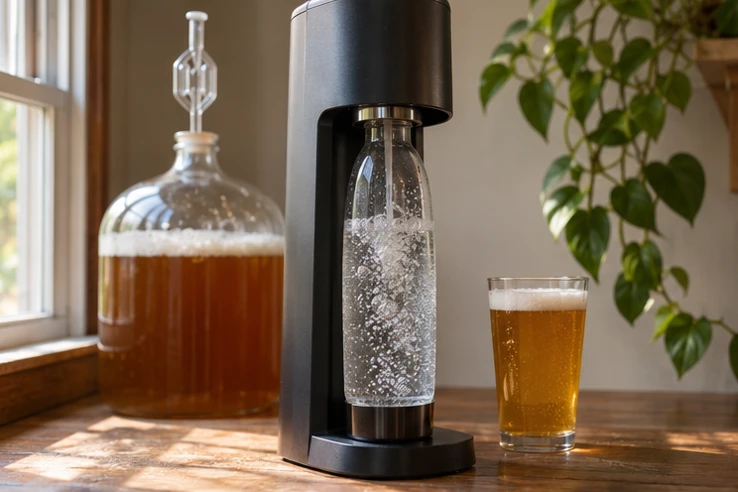
Do not put homebrew into a SodaStream model whose instructions allow carbonating only water. The brand name alone is not enough to decide: SodaStream now also documents a…
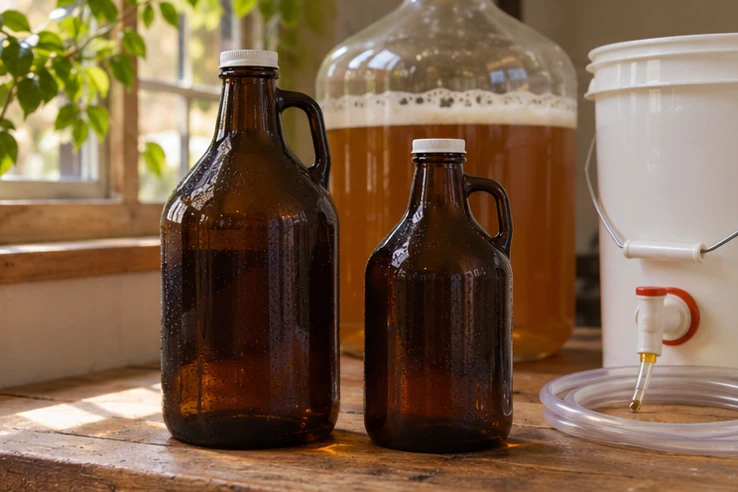
A growler can carry finished homebrew, but an ordinary growler should not be assumed suitable for bottle conditioning. Transporting beer that is already carbonated is a different job…
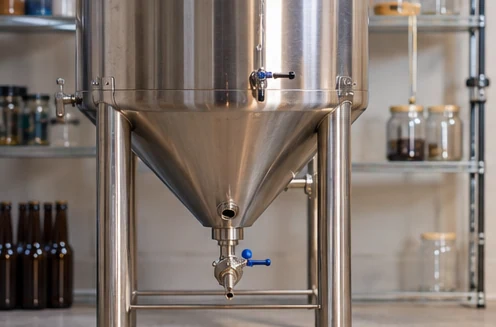
Yes, you can bottle from a conical fermenter when its outlet, transfer method, and packaging process support the job. The conical shape does not automatically provide a complete…
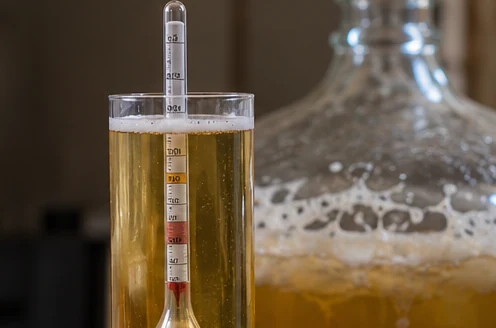
Beer does not keep becoming stronger indefinitely simply because it remains in a fermenter. A healthy brewing culture consumes the sugars it can use under the conditions present,…
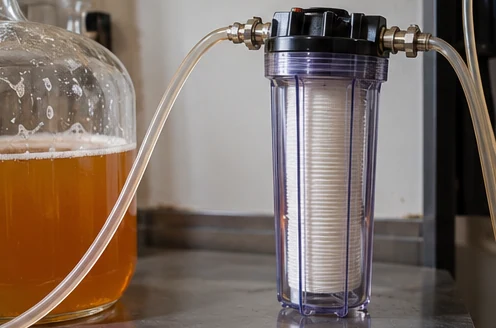
You can filter beer before bottling, but the decision must fit your carbonation method. Fine filtration may remove enough yeast to prevent reliable natural bottle conditioning. If you…
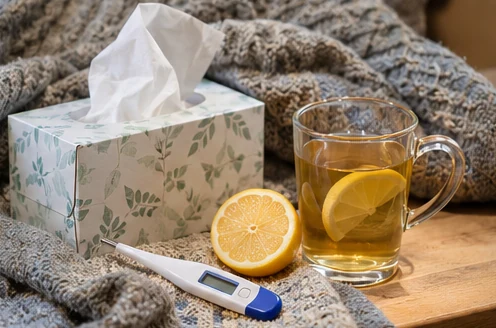
Yes. Beer can make someone feel unwell because of alcohol’s effects, an ingredient-related reaction, a medication interaction or another condition occurring at the same time. Symptoms alone do…
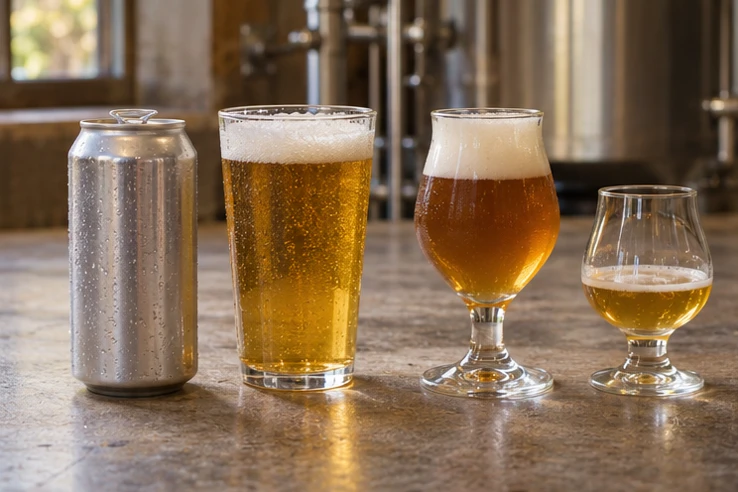
Yes. Beer containing alcohol can cause intoxication, even if it tastes mild or is described as light. The important starting information is the beverage’s alcohol by volume and…
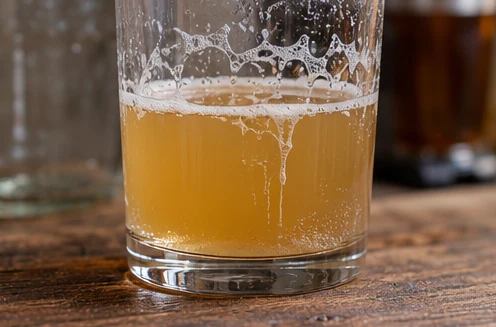
Bad beer can mean several different things: stale flavor, a recipe you dislike, damaged packaging, unsafe handling or a drink associated with symptoms. Those situations should not be…
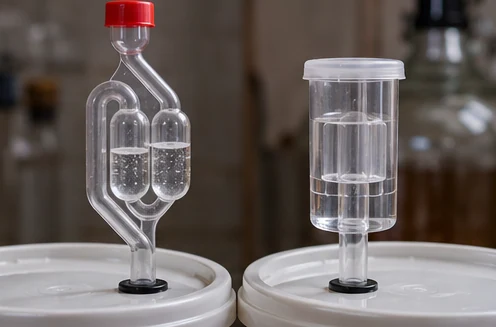
Choose a three-piece airlock when easy disassembly and cleaning are your main priorities. Choose an S-shaped bubbler when you prefer its enclosed chambers and simple visual design. Both…
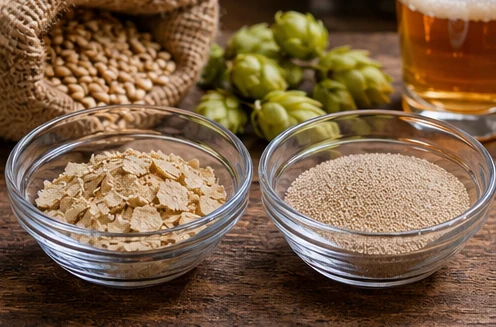
Active brewing yeast is selected and sold for beverage fermentation, while baking yeast is selected for dough performance. Both can produce alcohol and carbon dioxide from suitable sugars,…
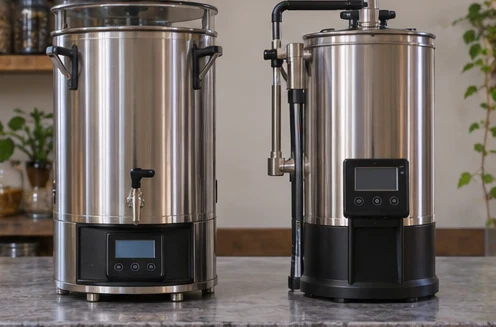
Choose Brewer’s Edge Mash & Boil when a straightforward electric grain-basket system fits your process and you want to assemble only the accessories you need. Consider a Grainfather…
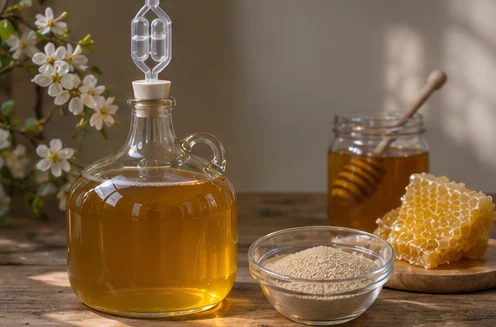
The best yeast for mead is a strain that matches your recipe, temperature control and handling plan. A packet labeled wine yeast can be suitable for honey fermentation;…
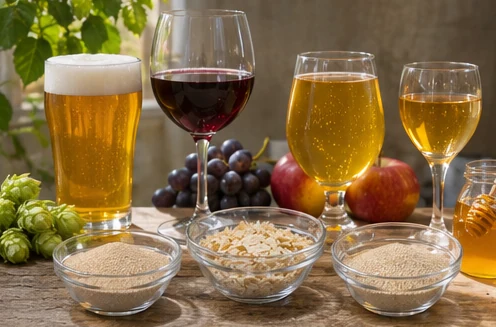
There is no single best yeast for alcohol. Yeast suitable for a clean ale is not automatically the best choice for a fruit wine, cider or honey mead.…
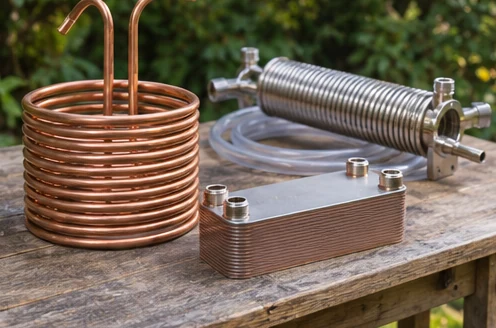
An immersion chiller is a straightforward first upgrade for many homebrewers. A counterflow or plate chiller can fit a more organized transfer setup, but it also creates internal…
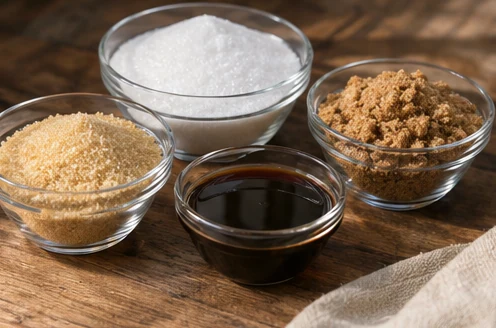
The best sugar for fermentation depends on whether you are building a recipe, adjusting its character or priming finished beer. Plain white sugar is a practical choice when…
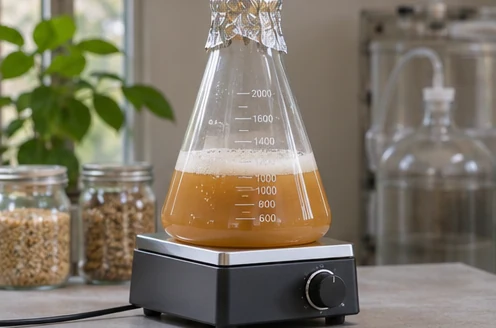
A stir plate is useful when your yeast plan calls for a stirred starter. It keeps a magnetic bar moving inside a flask; it is not a guarantee…
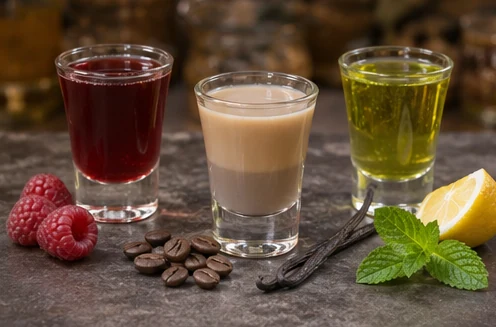
A shot describes a small serving, not a reliable alcohol quantity or a desirable way to become intoxicated. Its contents may be a straight spirit, a lower-strength liqueur,…
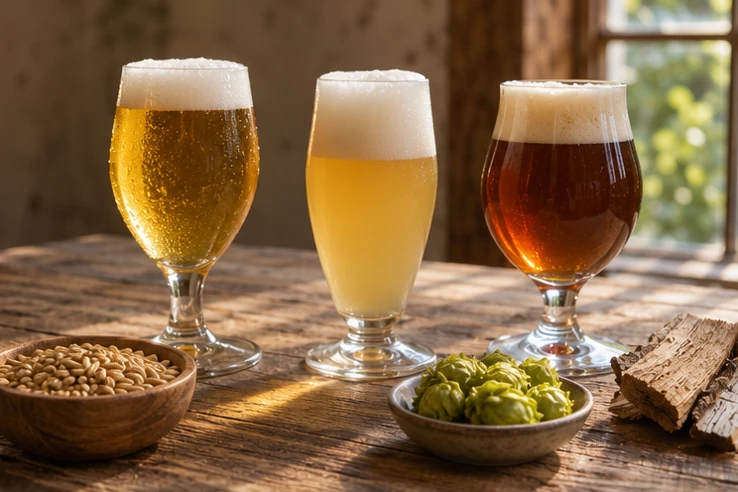
The best Polish beer depends on the style and flavor you want. Familiar lager brands are one starting point, but Polish beer also includes distinctive traditions such as…
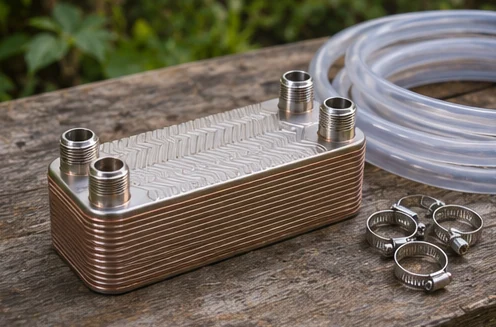
The best plate chiller is the one you can keep clean and connect correctly, not simply the one with the most plates. For a brewer with a suitable…
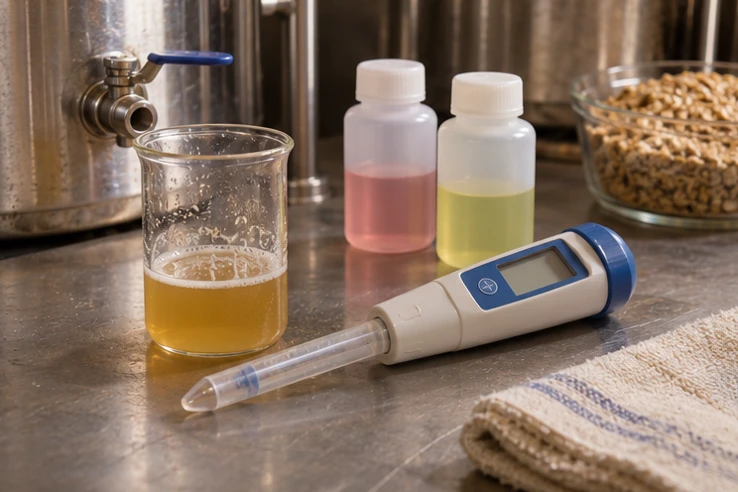
A useful brewing pH meter needs dependable calibration and an electrode you can maintain. A display showing two decimal places is not enough by itself. Budget for buffers,…
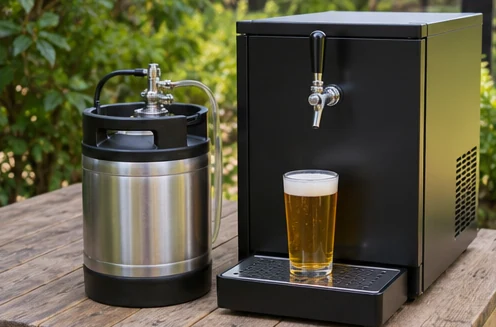
OptionBest fitCheck firstNutriChef PKBRTP100Portable small-volume draft servingNo active refrigeration; specified CO2 cartridgesRefrigerated mini dispenserSupported proprietary-container serviceCurrent keg availability and replacement partsRegular compact kegeratorContinuous cooling and broader keg useCabinet…
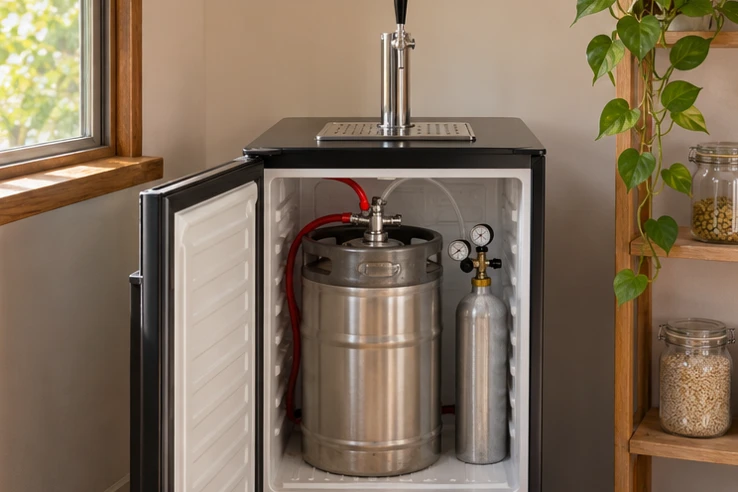
OptionBest fitCheck firstDanby all-fridge compactMeasured simple draft arrangementKeg plus fittings; hump; cylinder; door closurePurpose-built kegeratorPermanent supported tower setupKeg standards; included gas and draft partsPortable mini kegSmall-volume transport and…
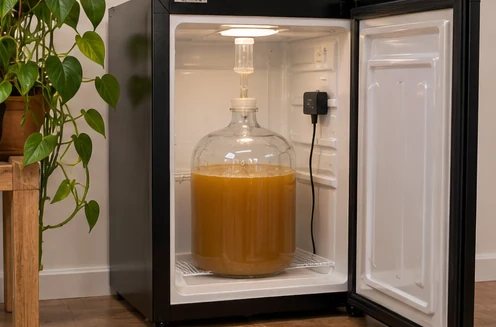
OptionBest fitCheck firstDanby all-fridge compactMeasured compatible fermenterCompressor hump, door bins, airlock heightFreezer-compartment mini fridgeOnly when exact clear space is suitableDo not bend or remove cooling componentsLarger supported chamberTall…
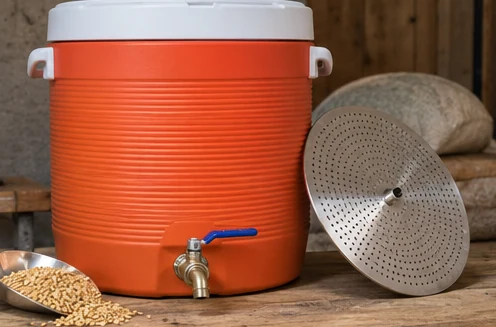
OptionBest fitCheck first12-gallon all-grain kitBroader starter equipment purchaseExact included vessels, fittings, and instructions10-gallon Igloo tun listingSeparate insulated mash vesselFalse-bottom fit; usable mash volumeBIAB or electric basketReduce separate-vessel storageGrain…
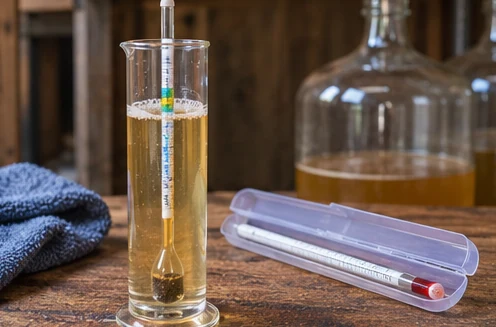
For most homebrewers, a readable glass hydrometer and a suitable test cylinder are the most useful starting point. Buy the complete kit if you do not already own…
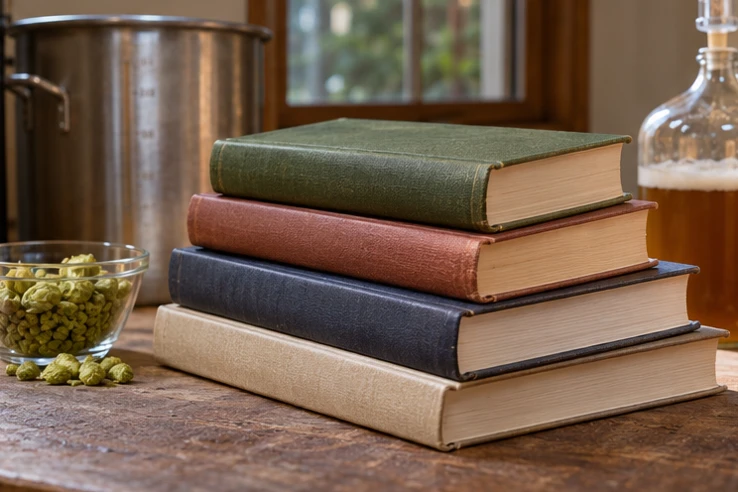
The most useful homebrew book is the one that solves your next problem. A first-time brewer needs a complete process, not an advanced discussion of water chemistry. Once…
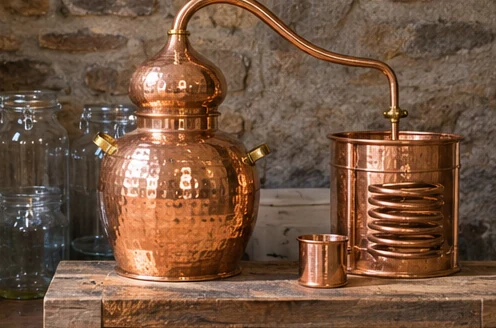
The best home distilling kit is a documented system that supports your lawful intended use, fits your utilities, and can be maintained correctly. There is no sensible universal…
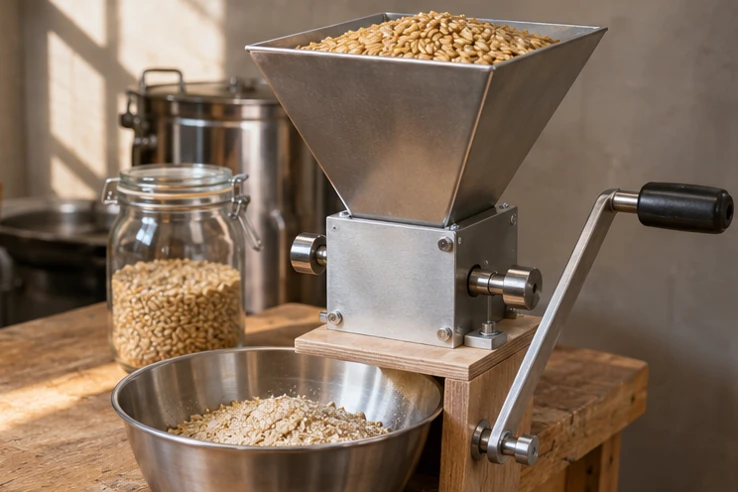
Buy a grain mill when you want control over your crush or regularly use unmilled malt. If you brew occasionally and your supplier mills grain to suit your…
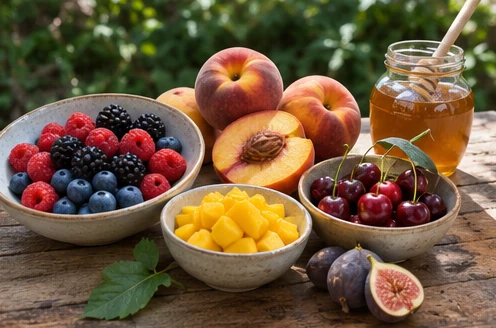
The best fruit for mead is one that supports the flavor you want and fits a complete recipe. Berries offer distinctive aroma and color, cherries can contribute fruit…
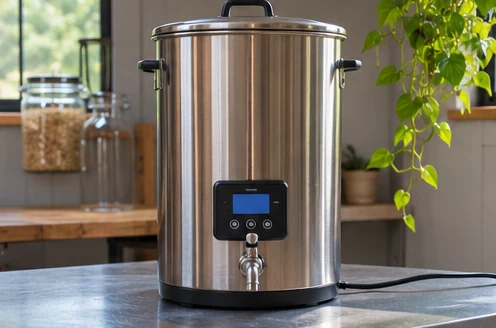
OptionBest fitCheck firstMash & Boil Series 2Compact straightforward all-grain workflowGeneration; pump version; control functionsGrainfather US G30v3Supported system and chiller choices110V model; bundle contentsCurrent regional BrewZillaMultiple sizes and configurationsLocal…
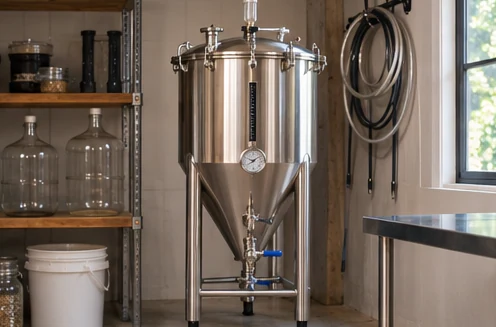
Choose a fermenter around the work you want it to do: hold a batch, simplify transfers, collect sediment or support a more elaborate temperature-control setup. A cone-shaped bottom…
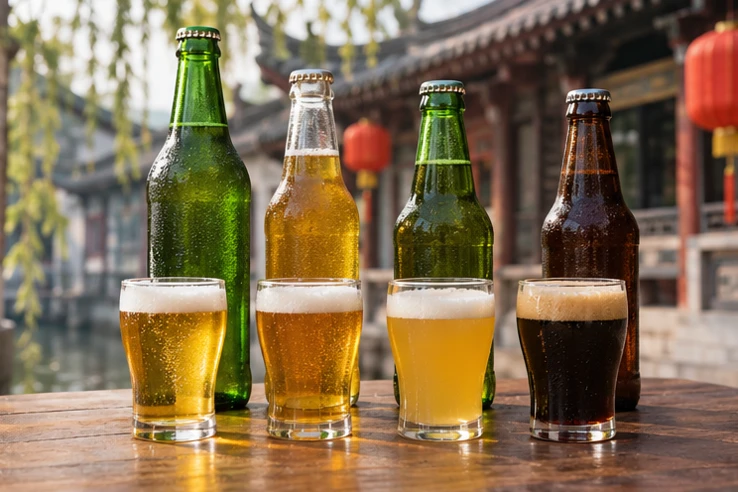
The best Chinese beer for you depends on the specific product, not simply the brewery name. Tsingtao, Snow and Yanjing offer useful starting points for exploring major Chinese…
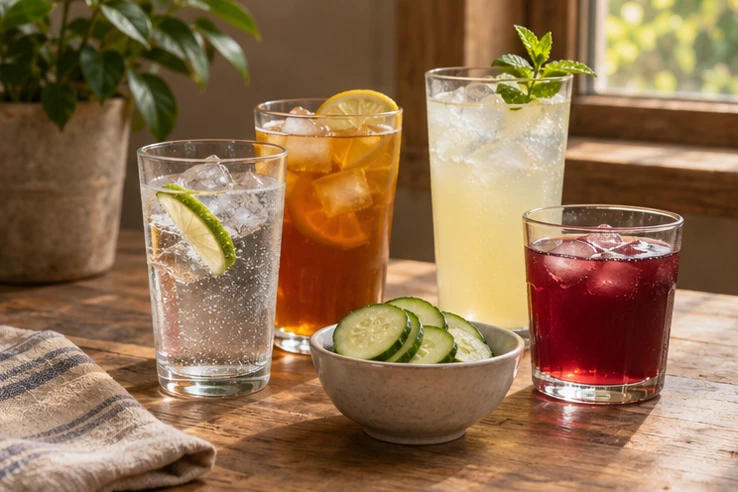
The best chaser is a separate nonalcoholic drink you actually enjoy, served in a way that respects your preferences and ingredients. Plain water is a versatile starting choice.…
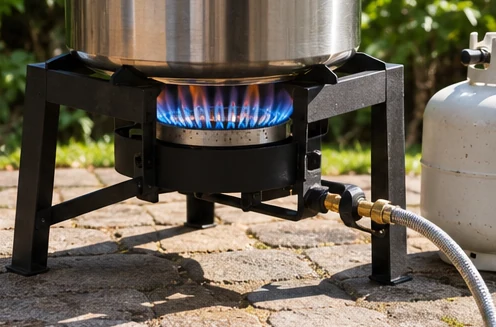
OptionBest fitCheck firstBlichmann HellFireBrewing-focused support and controlExact version; load, diameter, leg limitsBayou Classic SP10Compatible straightforward outdoor setupLoaded kettle fit and operating instructionsElectric systemAppropriate indoor brewing locationCircuit, moisture protection,…
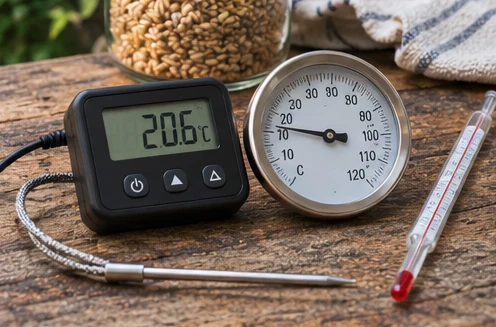
The right brewing thermometer depends on where you will measure temperature. A handheld digital probe is convenient for spot checks. A long-stem dial model can sit in a…
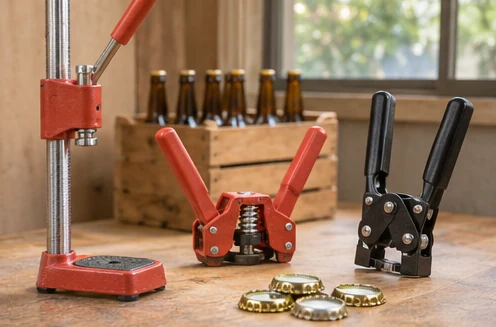
A bench capper is a practical choice when you bottle regularly or use bottles of different heights. A stable base and easily adjusted head matter more than a…
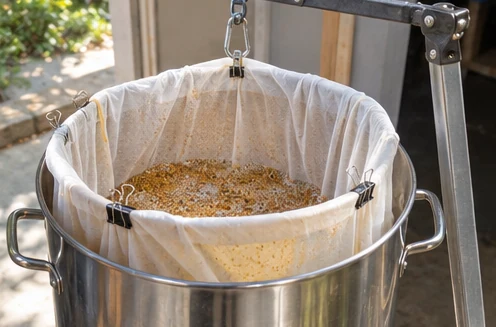
OptionBest fitCheck firstKettle plus fitted Brew BagSimple all-grain conversionMash volume and rated lifting arrangementCompact electric kettlePlanned small batchesManual approves bag use and element protectionElectric grain-basket systemIntegrated heating and…