How to Label Homebrew Bottles Without Sticky Residue
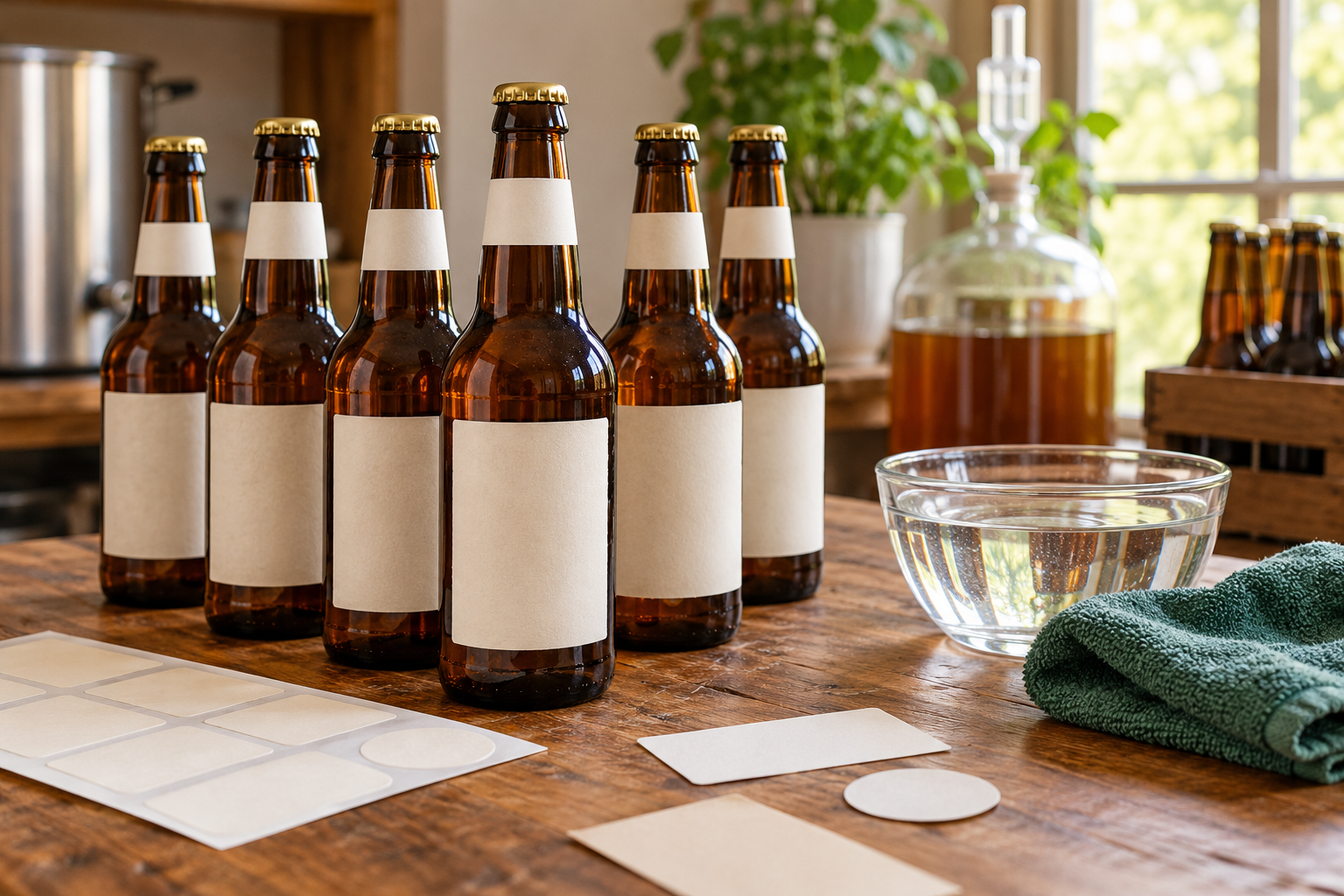
Reviewed and updated: November 11, 2026For bottles you’re going to reuse, we’d start with a neck tag or a label made to peel off cleanly. You get the…
Reviewed and updated: November 11, 2026For bottles you’re going to reuse, we’d start with a neck tag or a label made to peel off cleanly. You get the…
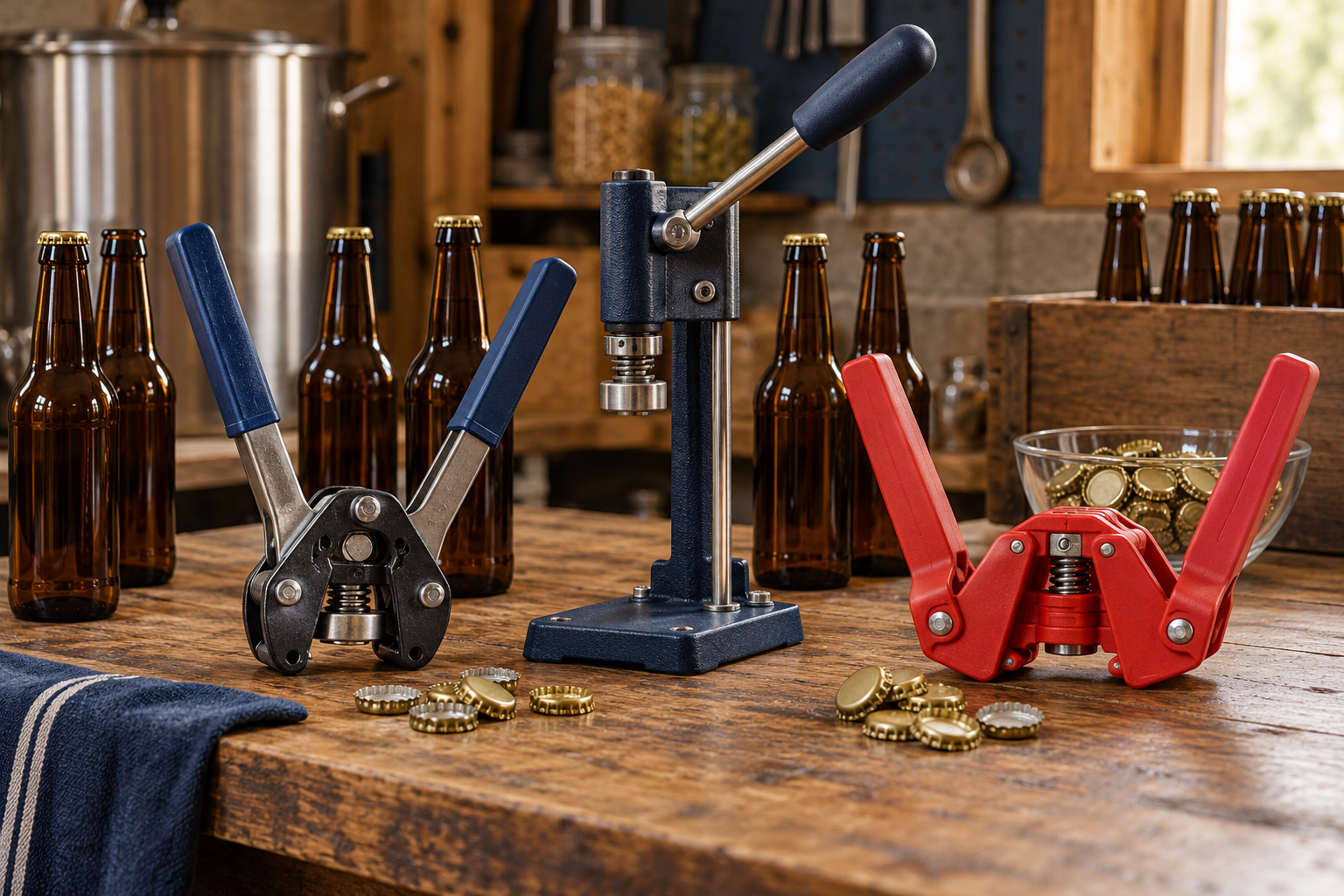
Reviewed and updated: October 27, 2026A dependable capper should match the bottle finish and crown size, make a repeatable seal, and stay stable through a full batch. Compare…
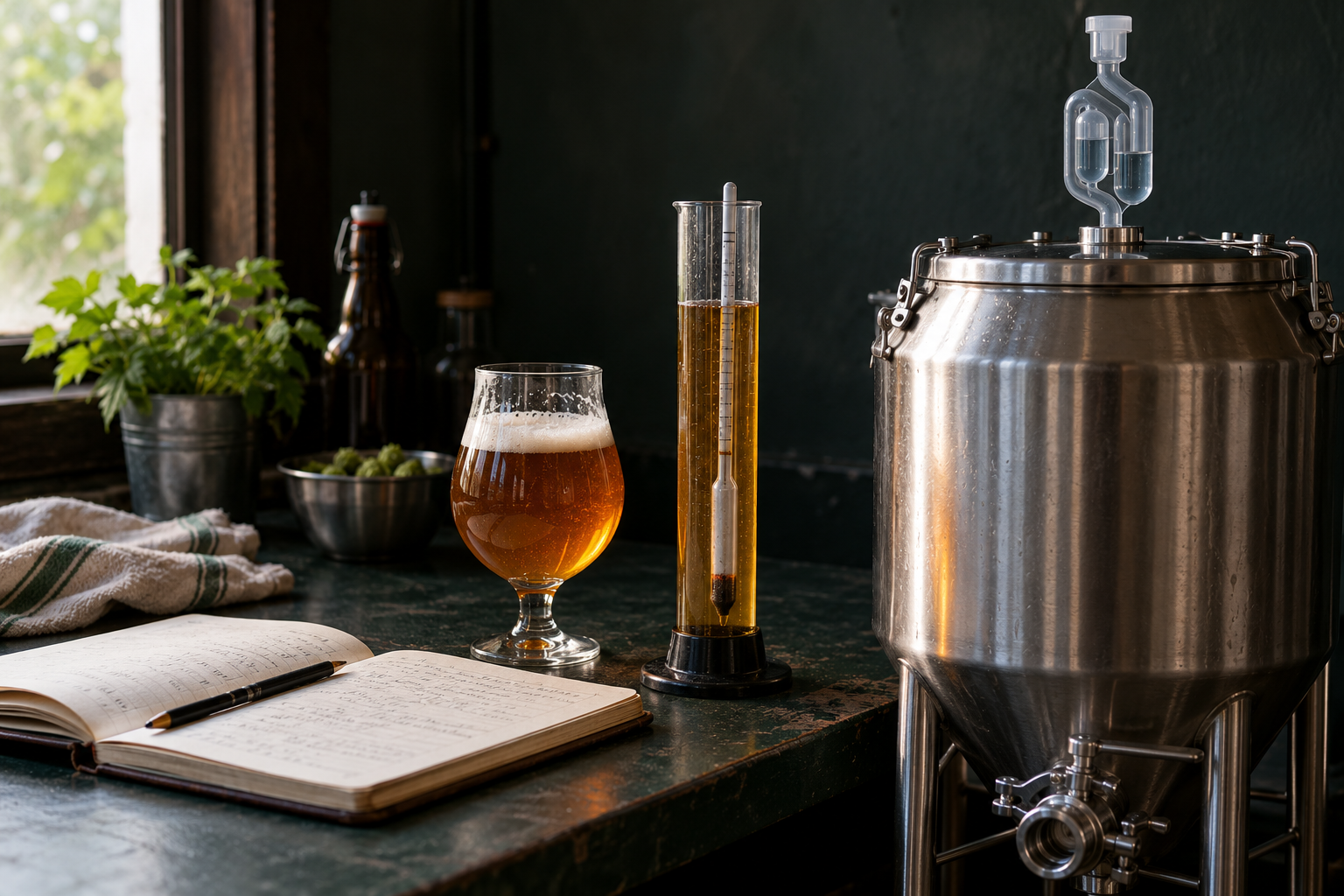
Reviewed and updated: November 12, 2026Bottling day should end with a row of beer you’re looking forward to sharing. Give that beer a gentle trip from fermenter to…
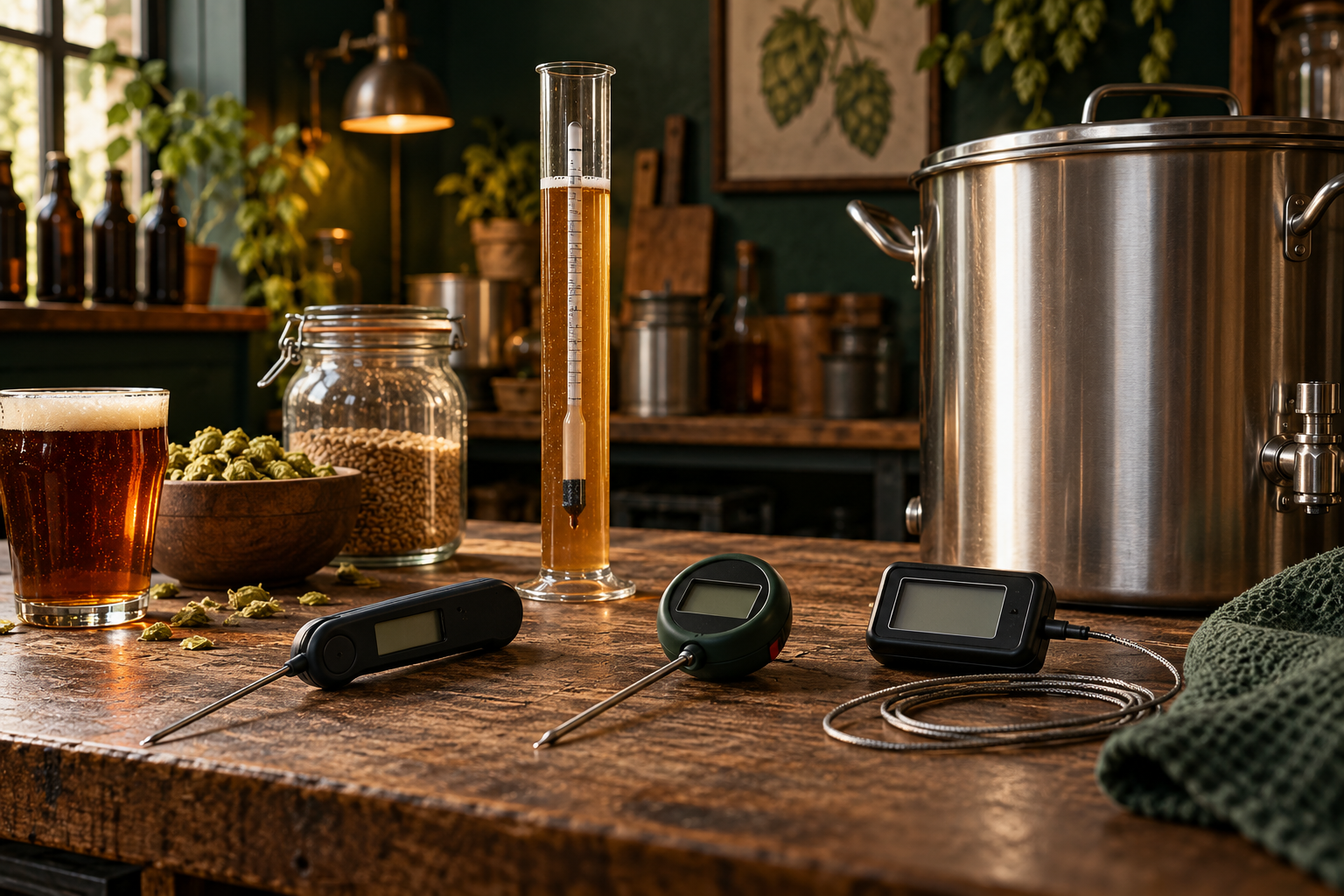
Reviewed and updated: October 23, 2026A brewing thermometer should match the task: quick spot checks, continuous mash monitoring, or verification work. Probe shape, response, cleaning, and usable range…
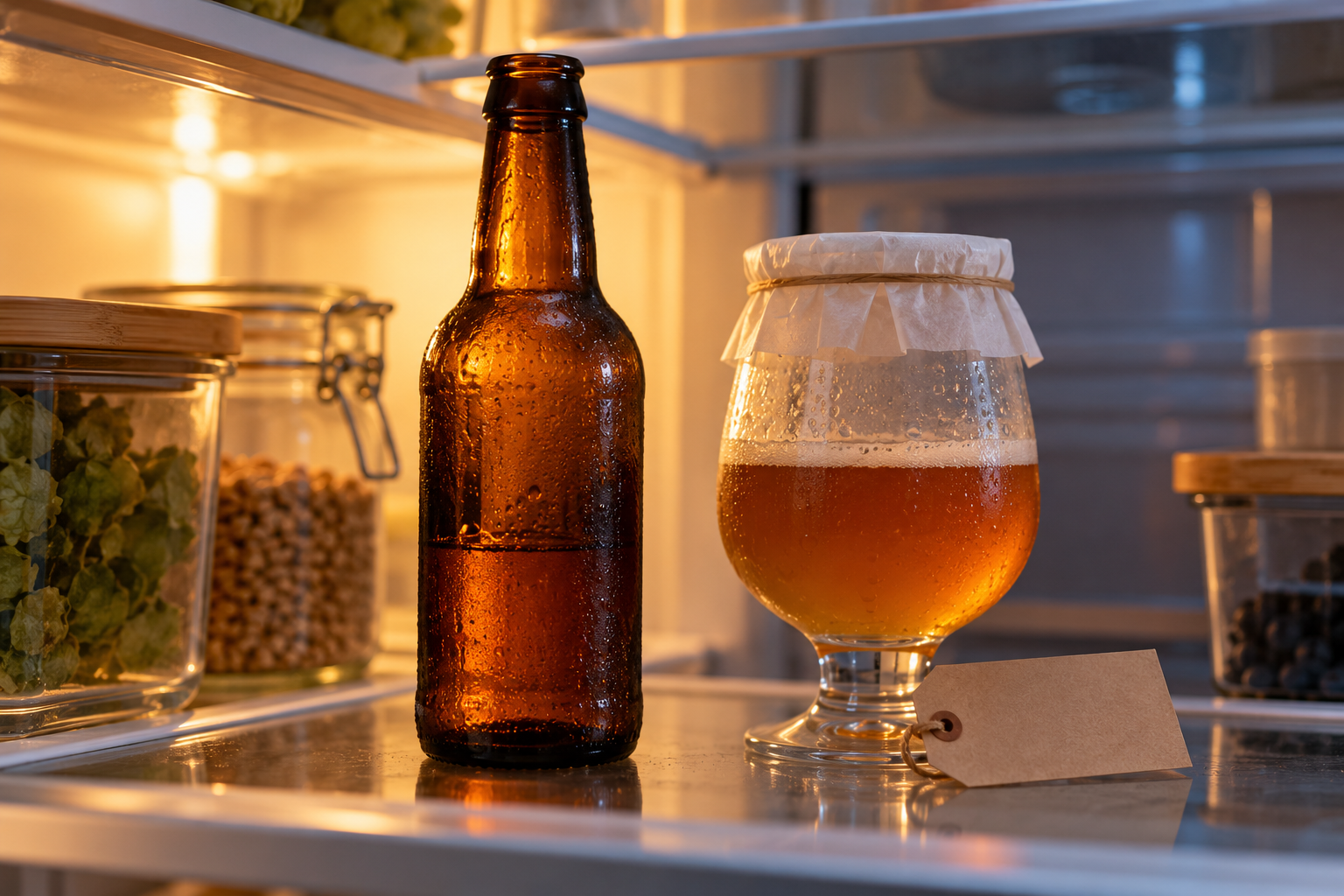
Reviewed and updated: October 21, 2026Once a beer is opened, carbonation, aroma, oxygen, temperature, and sanitation start changing it. Short, cold, covered storage can slow the decline, but…
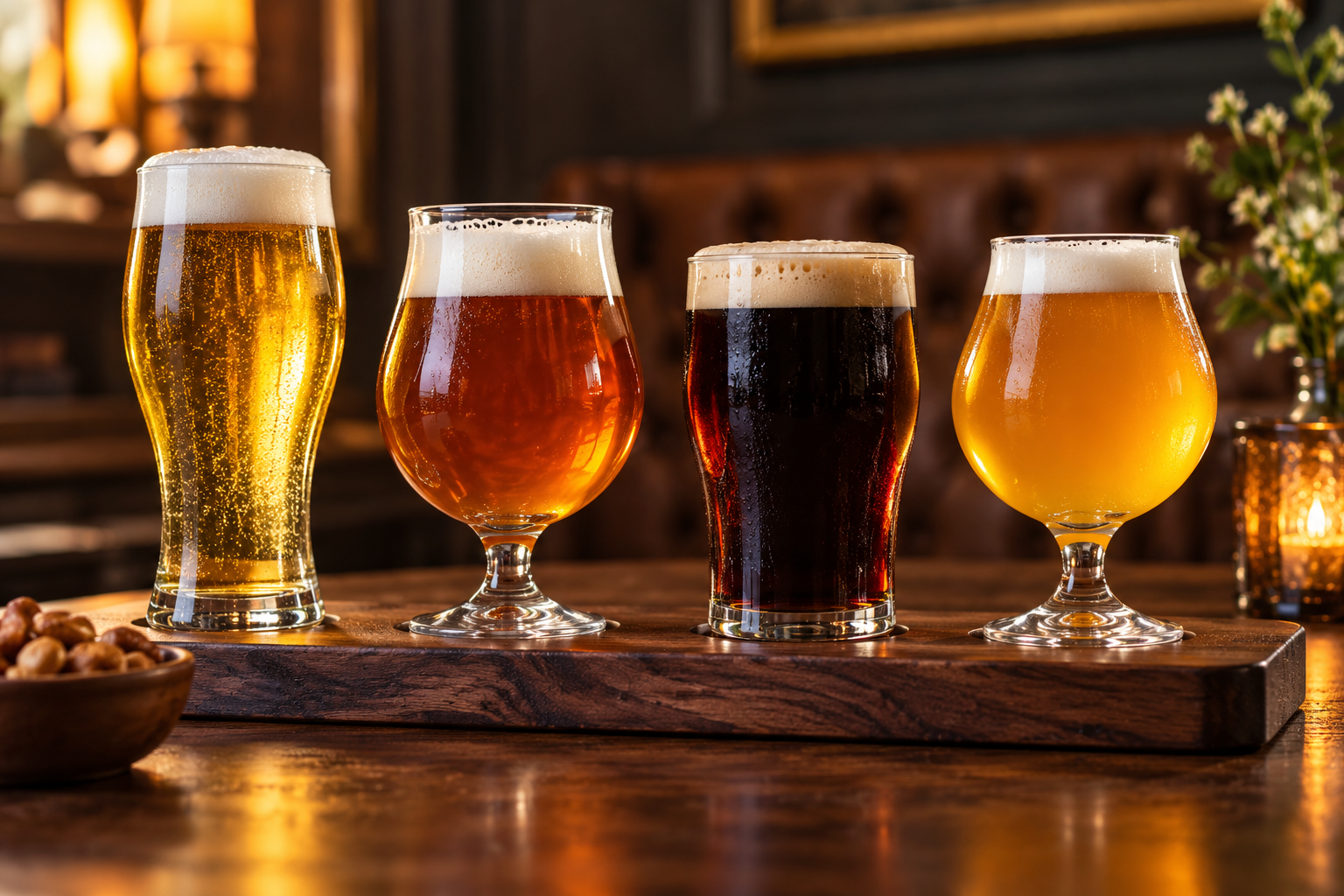
Reviewed and updated: October 20, 2026A useful tasting glass makes small pours easy to compare without forcing every beer into one dramatic shape. Capacity, rim, stem, stability, and…
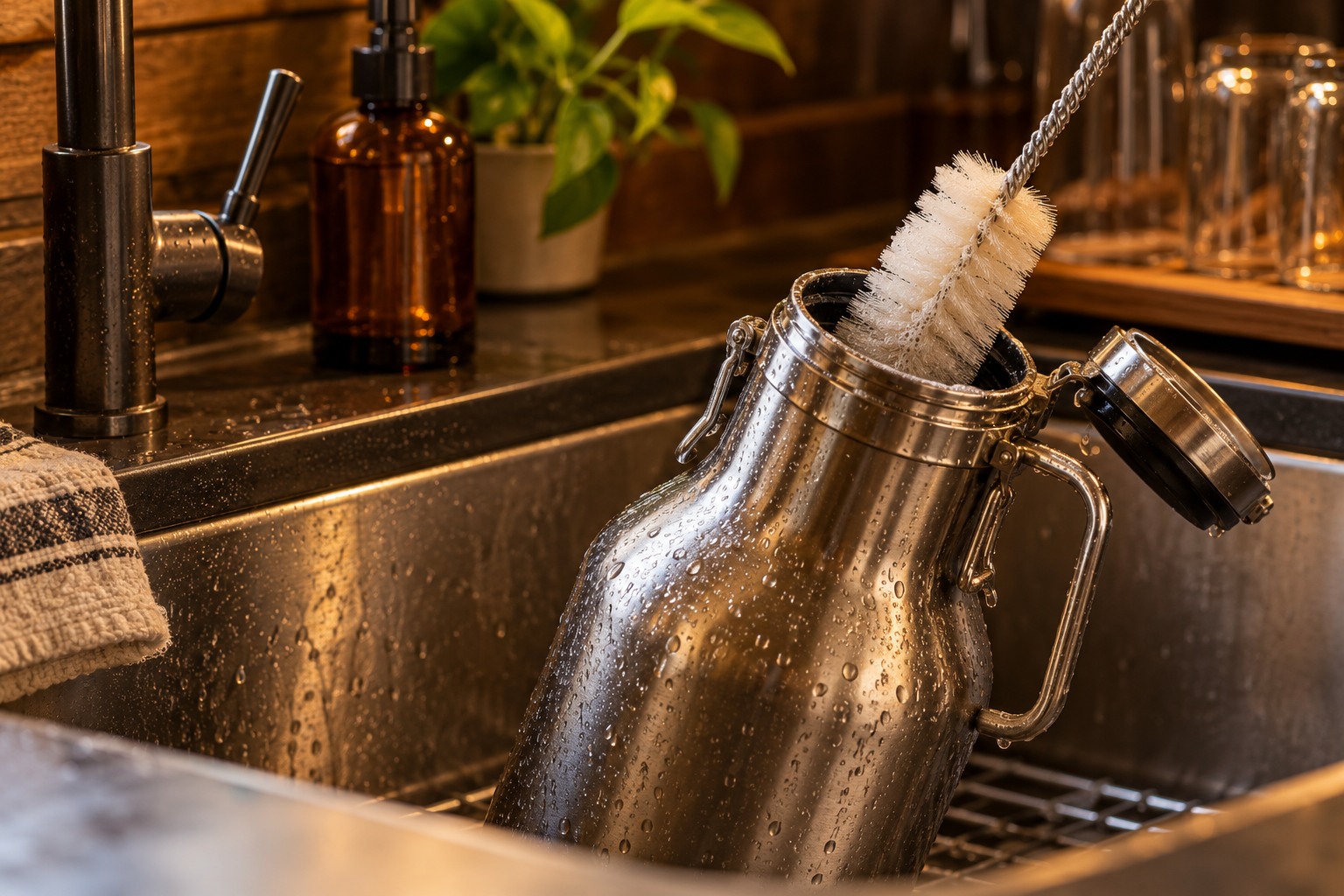
Reviewed and updated: October 19, 2026A growler stays usable when residue is rinsed promptly, every seal can dry, and the cleaning method matches the vessel. Lingering odor usually…
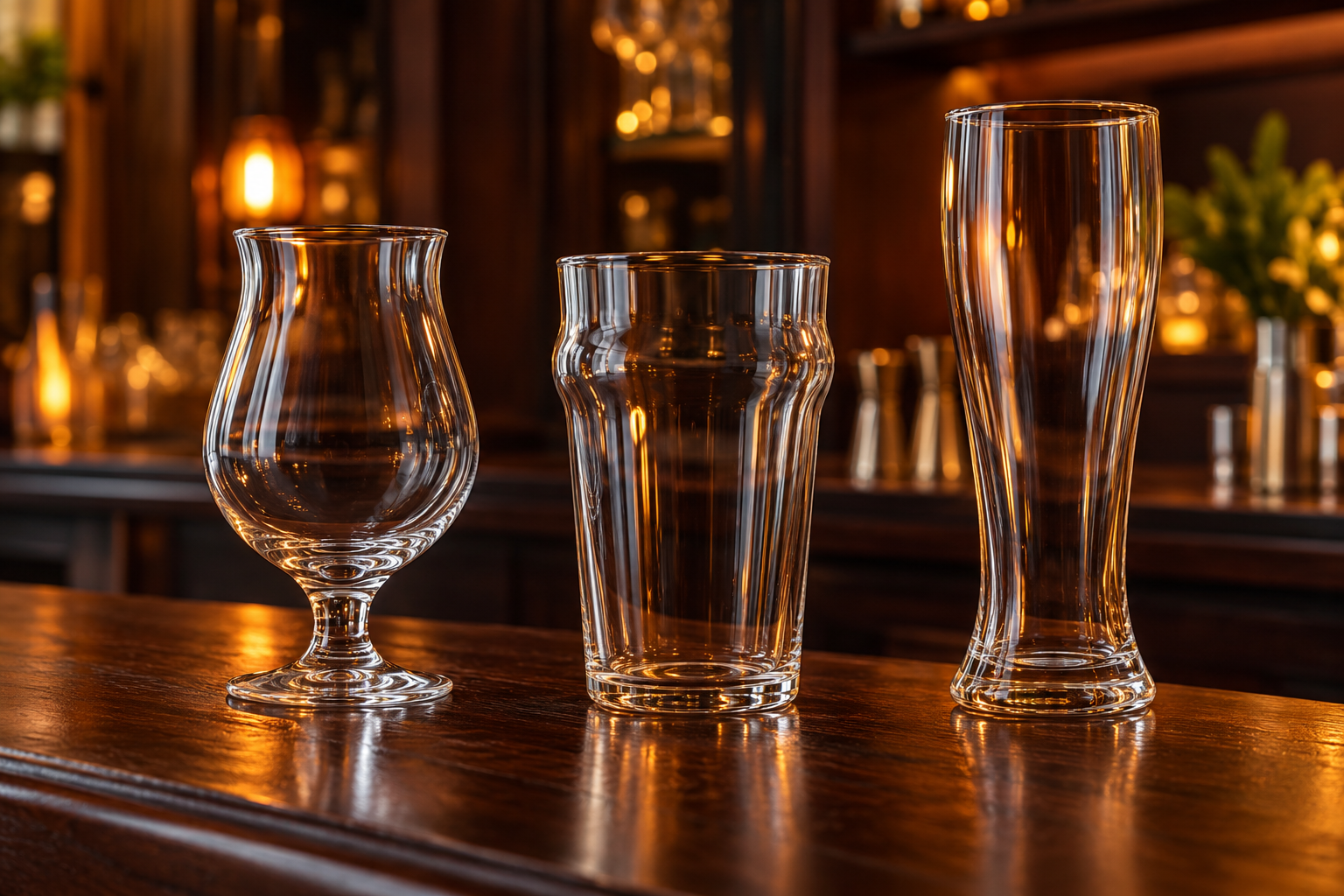
Reviewed and updated: October 17, 2026Glass shape changes head space, aroma concentration, foam support, warming, and sip size. Use clean glassware and a consistent pour before crediting the…
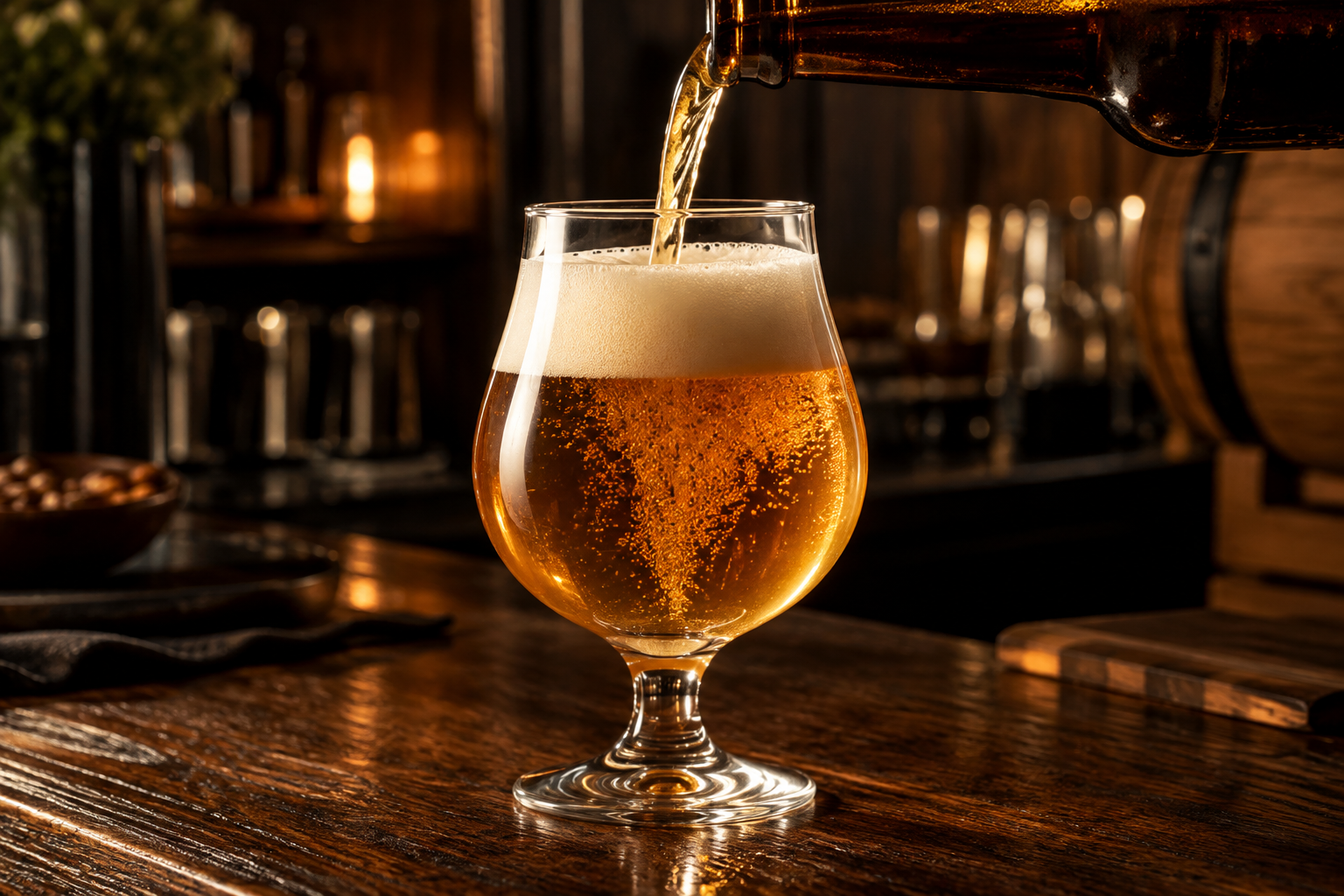
Reviewed and updated: October 15, 2026A controlled pour releases aroma, manages carbonation, and builds a foam head that suits the beer. Clean glassware and a simple two-stage angle…