Reviewed and updated: October 25, 2026
A refractometer can make small wort samples convenient, but readings require calibration, temperature awareness, and correction after fermentation begins. Choose the tool only after understanding the workflow.
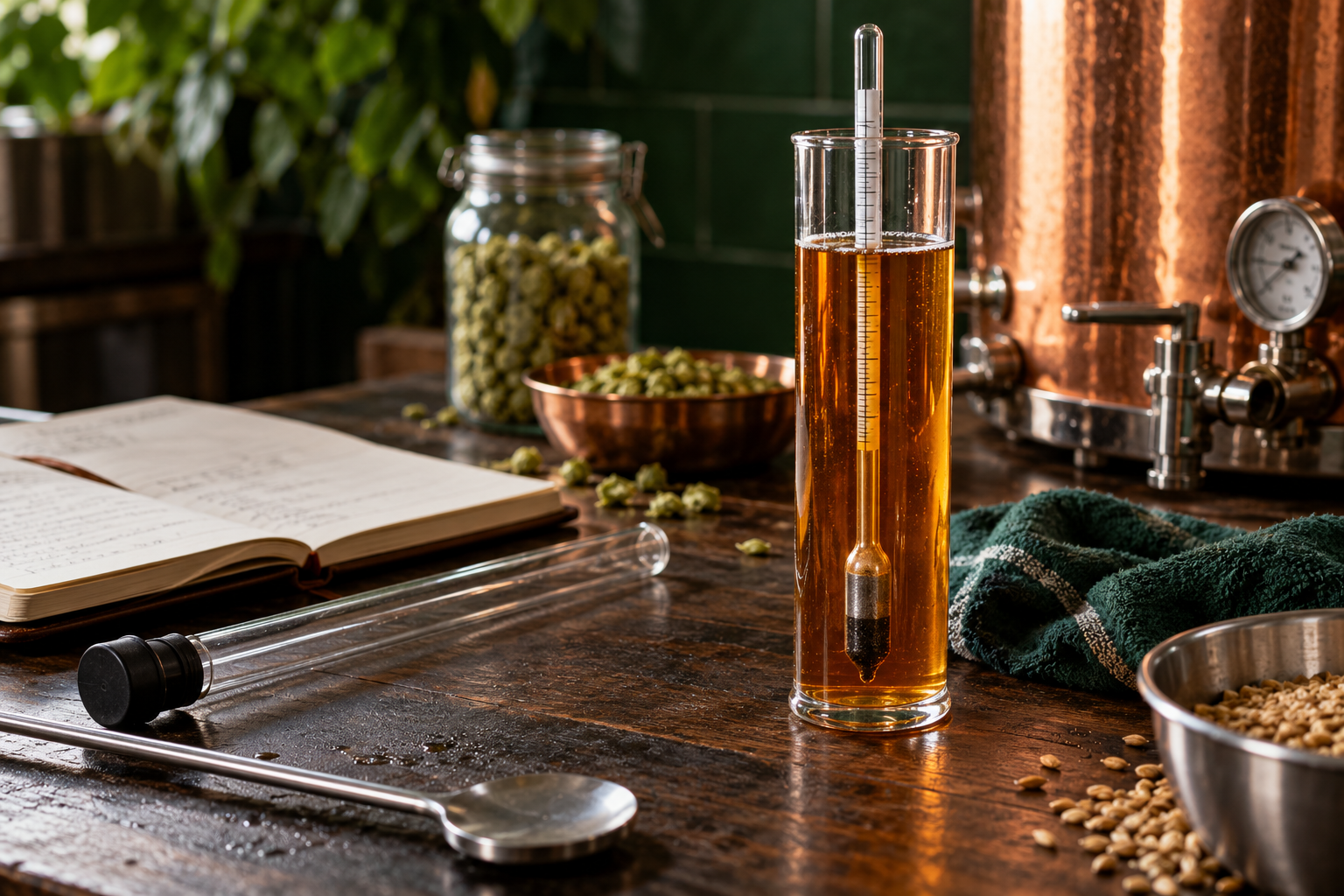
Know what Brix means
Most brewing refractometers report Brix or a similar sugar scale. Original-gravity conversion is manageable, while fermented samples need correction because alcohol changes refraction. Make this part of a repeatable routine: check the starting condition, follow the relevant instructions, and record what changed. That keeps best refractometers for homebrewing: manual and digital options grounded in observable results instead of assumptions or a single unusually good or bad experience.
Milwaukee MA871
The MA871 is a digital Brix refractometer designed for small samples and automatic temperature compensation within its operating limits. It suits brewers who prefer a digital readout and easy cleaning well. Verify the exact label, model, material, or setting before acting. Small differences in a package or environment can change the right method, so change one variable at a time and stop when condition, comfort, or safety gives a reason to stop.
Anton Paar EasyDens
EasyDens is a portable density meter rather than a traditional optical refractometer. It can support fermentation tracking through an app workflow, but represents a higher-cost category. A useful decision should still make sense on an ordinary day. Prepare the workspace, keep the process simple, and review the result before repeating it. Careful notes are more dependable than memory when products, conditions, or schedules change.
Northern Brewer Brix refractometer
A manual brewing refractometer offers a lower-cost optical approach. The user must focus the scale, manage lighting, calibrate, and read the boundary consistently. Make this part of a repeatable routine: check the starting condition, follow the relevant instructions, and record what changed. That keeps best refractometers for homebrewing: manual and digital options grounded in observable results instead of assumptions or a single unusually good or bad experience.
Calibrate correctly
Use the liquid and procedure specified by the maker, allow the instrument and sample to equilibrate, and clean the prism or cell first. A zero check does not validate every point on the scale. Verify the exact label, model, material, or setting before acting. Small differences in a package or environment can change the right method, so change one variable at a time and stop when condition, comfort, or safety gives a reason to stop.
Control the sample
Avoid grain particles, foam, evaporation, and hot droplets. Mix the wort appropriately and cool or handle the sample according to the instrument limits. A useful decision should still make sense on an ordinary day. Prepare the workspace, keep the process simple, and review the result before repeating it. Careful notes are more dependable than memory when products, conditions, or schedules change.
Correct fermented readings
Do not read post-fermentation Brix as finished gravity without a correction model and original reading. Cross-check important decisions with an appropriate hydrometer or density method. Make this part of a repeatable routine: check the starting condition, follow the relevant instructions, and record what changed. That keeps best refractometers for homebrewing: manual and digital options grounded in observable results instead of assumptions or a single unusually good or bad experience.
Clean immediately
Sugary wort dries into a film that biases later readings. Use the approved cleaning method and protect optical surfaces from scratches. Verify the exact label, model, material, or setting before acting. Small differences in a package or environment can change the right method, so change one variable at a time and stop when condition, comfort, or safety gives a reason to stop.
Choose by workflow
Pick MA871 for a dedicated digital Brix tool, EasyDens for a broader density workflow, or a manual model when cost and hands-on reading are acceptable. A useful decision should still make sense on an ordinary day. Prepare the workspace, keep the process simple, and review the result before repeating it. Careful notes are more dependable than memory when products, conditions, or schedules change.
Compare current Amazon searches
Milwaukee MA871 Digital Brix Refractometer
Milwaukee MA871 Digital Brix Refractometer
View Milwaukee MA871 Digital Brix Refractometer on Amazon (paid link)
Anton Paar EasyDens
Anton Paar EasyDens
View Anton Paar EasyDens on Amazon (paid link)
Northern Brewer Brix Refractometer
Northern Brewer Brix Refractometer
View Northern Brewer Brix Refractometer on Amazon (paid link)
Put the guide into practice
Begin by writing down the result you want from best refractometers for homebrewing: manual and digital options. Include the starting condition, the people or equipment involved, and the limit that would make you stop. This short plan prevents an attractive feature, habit, or shortcut from replacing the real purpose. It also makes the final result easier to judge because the decision was defined before the work began.
Prepare the space and gather only what the first attempt requires. Use the checkpoints in Know what Brix means and Milwaukee MA871 before adding optional steps. Read current labels and instructions in full, keep packaging or model information nearby, and avoid mixing advice from products that merely look similar. When a condition changes, pause and verify rather than improvising.
During the process, make one deliberate change at a time. Note the setting, amount, timing, fit, or environmental condition that could affect the outcome. If the result is uncomfortable, confusing, damaged, or inconsistent, return to the last known safe point. More intensity, more product, or more repetition does not correct a poor match and can make the original problem harder to identify.
Use photographs, a short checklist, or a dated note when visual condition matters. The record does not need to be elaborate; it only needs to preserve the exact choice and its result. This is especially useful when several people share equipment, when packages look alike, or when weeks pass between uses. Remove old notes when they no longer describe the current item.
Finish with a brief review based on choose by workflow. Record what worked, what should change, and whether the same method still fits the next use. Store equipment and remaining products according to their instructions, clean the work area, and keep the notes with the relevant model or label. A dependable routine is simple enough to repeat and specific enough to catch a changed condition.
Quick checklist
- Know what Brix means
- Milwaukee MA871
- Anton Paar EasyDens
- Northern Brewer Brix refractometer
- Calibrate correctly
- Control the sample
Frequently asked questions
What should I verify first?
Start with the exact product, material, person, and setting involved. Read the current label or instructions and do not apply a rule from a similar-looking item without checking.
How can I compare results?
Keep the starting condition steady, change one variable, and record the result. Repeat only when the process remains safe and the comparison answers a useful question.
When should I stop?
Stop for damage, irritation, unusual heat, odor, poor fit, confusing instructions, or any condition that makes the next step uncertain. Replace, reassess, or seek qualified help as appropriate.