Find a clear answer about brewing, equipment, beer styles, serving or mead. Browse every published Beer Snobs guide, choose a topic, or search for a question.
273 articles · Page 6 of 23
Beer Styles
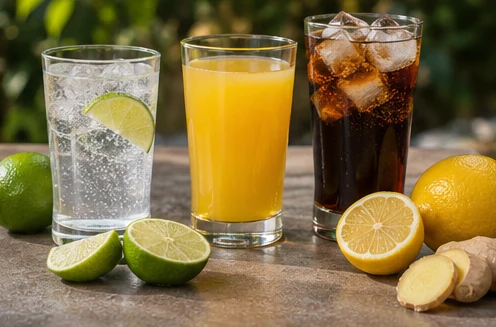
What Are Chasers Used For? Drinks, Mixers and Backs
A chaser is a drink taken after or alongside another drink, often as a separate serving. People may use it to change the taste left in…
Read the guide →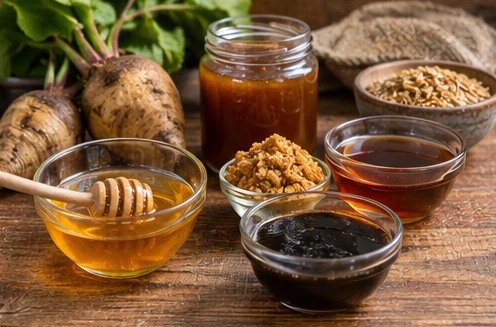
Homebrewing
What Can You Use Instead of Brewing Sugar?
The best substitute for brewing sugar depends on what the sugar is doing. A sugar used to contribute fermentables to a recipe is different from the…
Read the guide →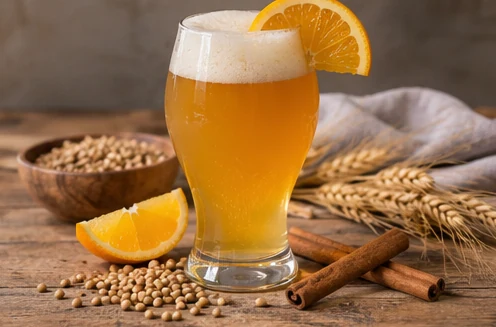
Beer Styles
What Blue Moon Tastes Like: Citrus, Wheat and Spice
Blue Moon Belgian White is a wheat ale whose producer describes a citrus-and-spice character built around Valencia orange peel and coriander. Wheat and oats contribute to…
Read the guide →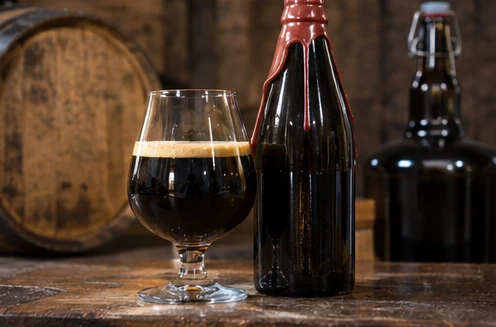
Beer Styles
High-ABV Beer: Strength Claims and Current Examples
Claims about the beer with the highest alcohol content require a definition, a date and reliable product evidence. Different lists mix fermentation-only beers with concentrated products,…
Read the guide →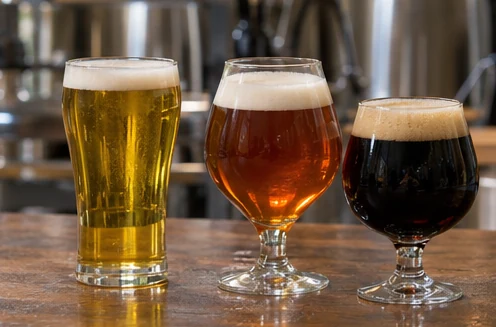
Beer Styles
Beer Strength and Serving Size: Compare the Alcohol
No beer can be ranked reliably by how quickly it will make every person drunk. That question mixes a beverage's measurable alcohol content with an individual's…
Read the guide →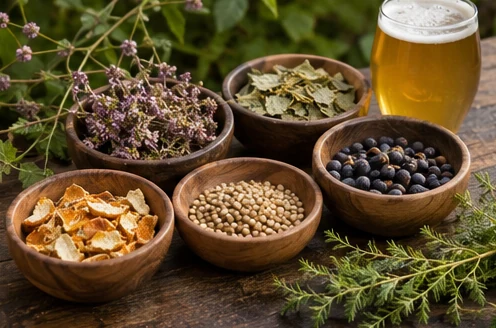
Beer Styles
Beer Without Hops: Gruit, Ingredients and Better Questions
Some grain-based fermented beers are made without hops, including certain modern gruit-inspired recipes. However, low bitterness, herbal flavor and an old-fashioned name do not prove that…
Read the guide →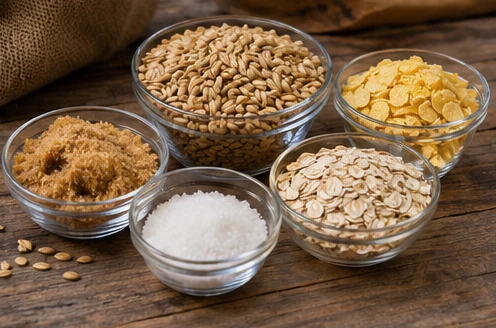
Homebrewing
What Are Adjuncts in Beer Making? Grains, Sugars and Purpose
Adjuncts are additional fermentable ingredients used alongside the main malt component of a beer recipe. Common examples include unmalted cereal grains, rice, corn and brewing sugars.…
Read the guide →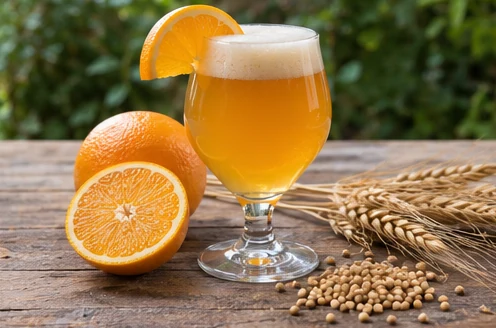
Beer Styles
Blue Moon Alcohol Content: Check the Exact Product
Blue Moon Belgian White Wheat Ale is listed at 5.4% alcohol by volume on the producer's current US product page. That figure describes this specific beer.…
Read the guide →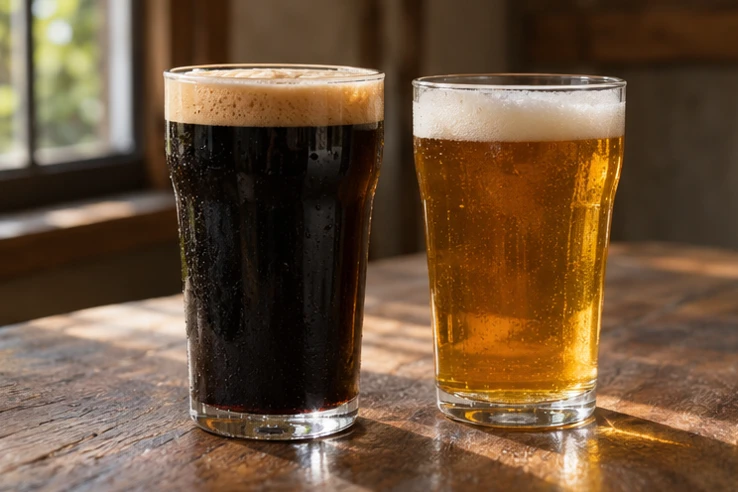
Beer Styles
Stout vs Beer: Why Stout Is Part of the Beer Family
Stout is beer. Comparing stout with beer as though they are separate drinks confuses a style family with the broader category that contains it. The more…
Read the guide →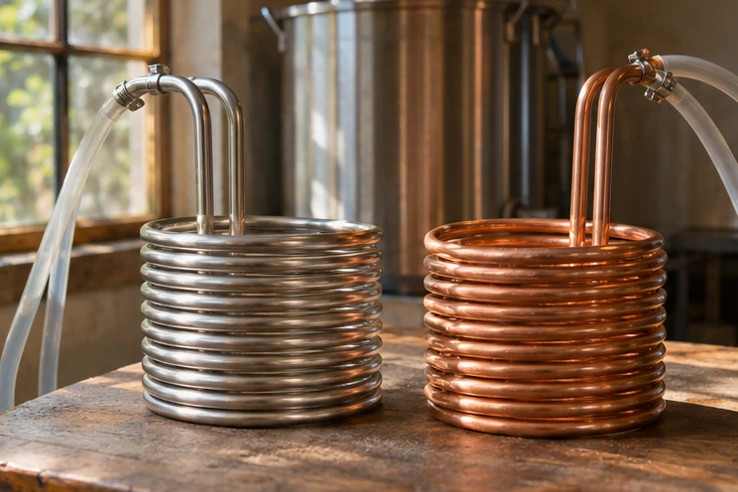
Brewing Equipment
Stainless Steel vs Copper Wort Chiller: Buying Guide
Copper conducts heat better than stainless steel, but that fact alone does not tell you which wort chiller to buy. Coil length, tube arrangement, exposed surface,…
Read the guide →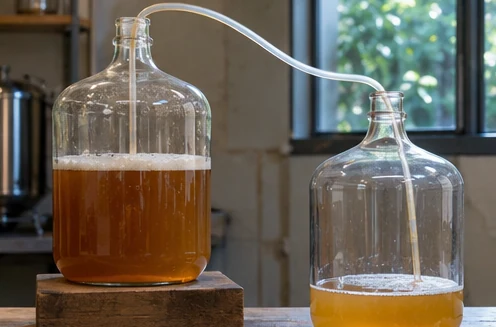
Homebrewing
Is Secondary Fermentation Necessary? A Transfer Decision Guide
A secondary fermenter is usually unnecessary for an ordinary homebrewed ale that will ferment, condition briefly and then be packaged. Leave the beer in its original…
Read the guide →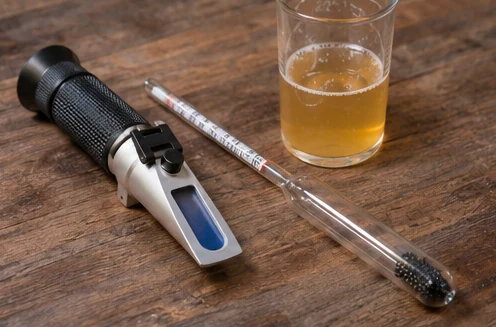
Brewing Equipment
Refractometer vs Hydrometer
A hydrometer is the simpler choice for checking finished beer. A refractometer is convenient for small samples on brew day, but alcohol changes its reading once…
Read the guide →