Find a clear answer about brewing, equipment, beer styles, serving or mead. Browse every published Beer Snobs guide, choose a topic, or search for a question.
17 articles · Page 1 of 2
Mead & Cider
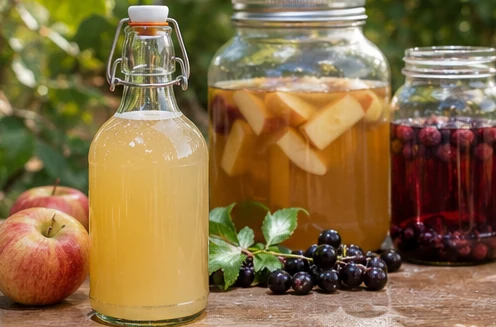
What Is Hooch? Slang, Fermented Drinks and the Brand
Hooch is an informal word for alcohol, often associated with homemade or illicit drinks. It is not a precise beer style, a guaranteed recipe or a…
Read the guide →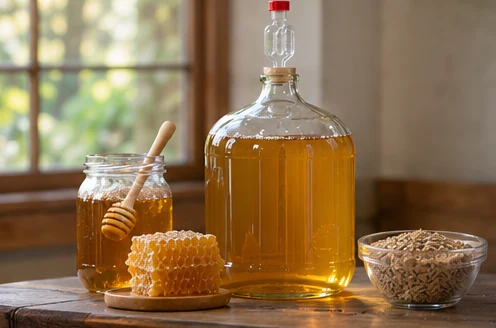
Mead & Cider
Is Mead Beer? Honey Fermentation and Braggot Explained
Mead is a honey-based fermented beverage and is generally discussed as a family distinct from beer. Beer commonly begins with grain-derived wort. Both involve fermentation, but…
Read the guide →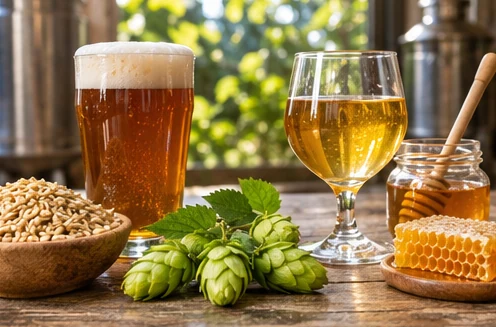
Mead & Cider
Ale vs Mead: Ingredients, Flavor and Fermentation
Ale is a family of beer made from grain-derived wort with an ale fermentation. Mead is a fermented honey-based beverage. Both rely on yeast to turn…
Read the guide →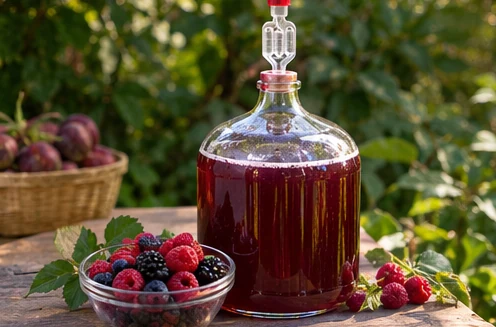
Mead & Cider
What Is Melomel? Understanding Fruit Mead
Melomel is mead made with fruit. Honey remains part of the beverage's identity, while fruit contributes its own character. The term does not mean every example…
Read the guide →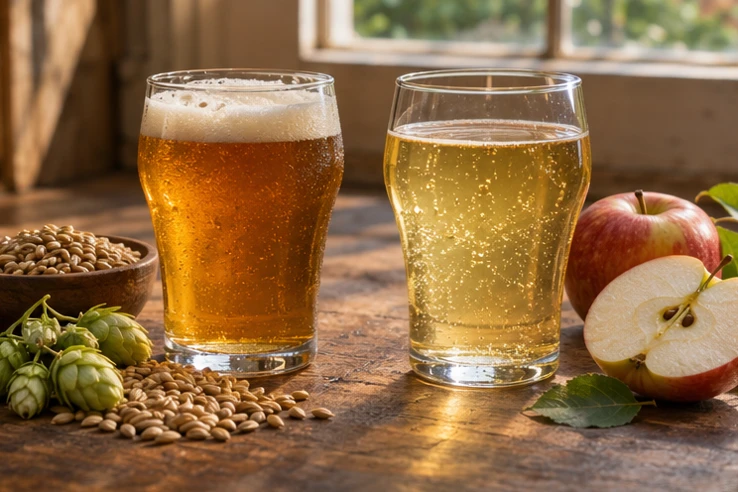
Mead & Cider
Beer vs Cider: Ingredients, Flavor and Practical Differences
Beer is generally made from grain-derived wort, while cider is made by fermenting apple juice. That ingredient difference is the clearest starting point. Both beverages can…
Read the guide →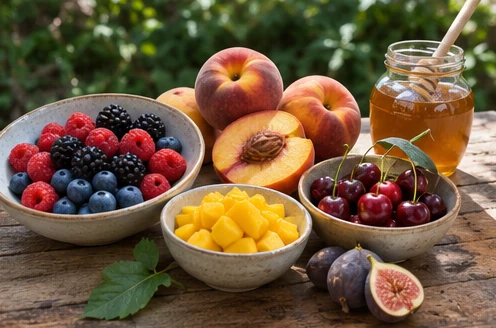
Mead & Cider
Best Fruit for Mead: Flavor, Form and Recipe Choices
The best fruit for mead is one that supports the flavor you want and fits a complete recipe. Berries offer distinctive aroma and color, cherries can…
Read the guide →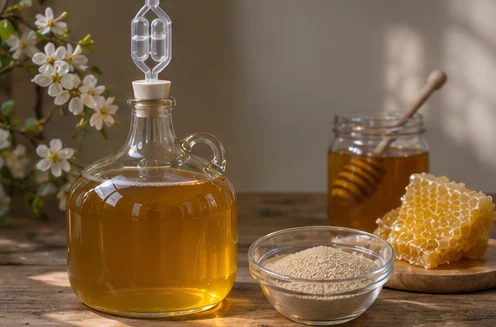
Mead & Cider
Best Yeast for Mead: How to Choose a Suitable Strain
The best yeast for mead is a strain that matches your recipe, temperature control and handling plan. A packet labeled wine yeast can be suitable for…
Read the guide →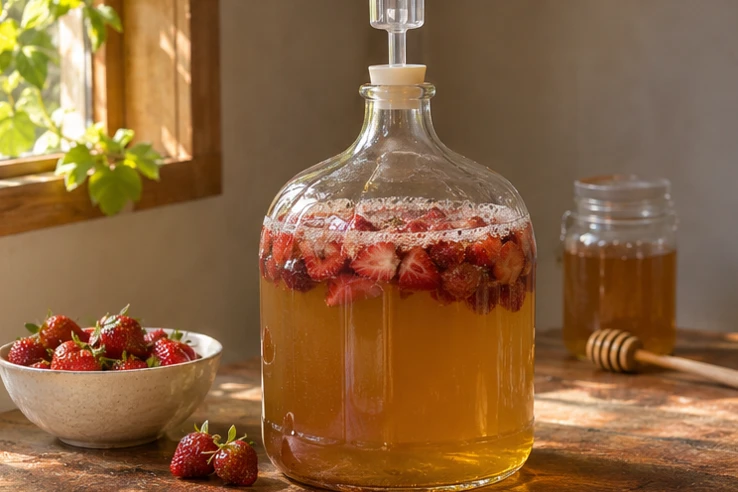
Mead & Cider
How Long to Leave Fruit in Secondary Mead
There is no universal time for leaving fruit in secondary mead. The right contact period depends on the fruit, its form, the amount used, temperature and…
Read the guide →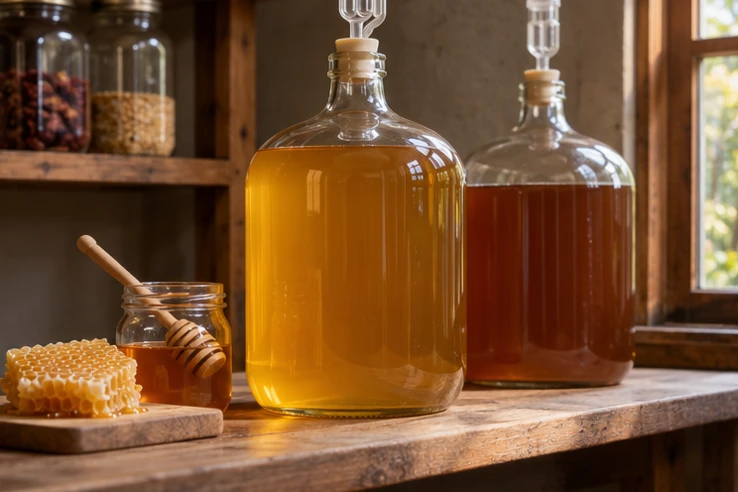
Mead & Cider
How Long Should Mead Age? A Practical Assessment Guide
Mead has no universal aging requirement. Some sound, lighter recipes can be enjoyable relatively young, while other recipes benefit from additional time. The right question is…
Read the guide →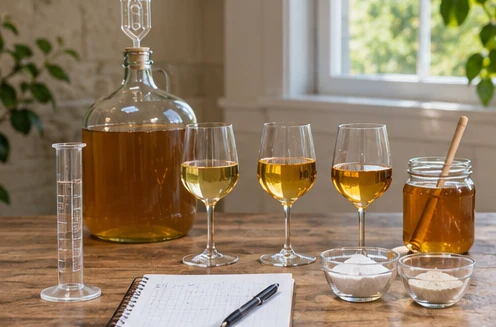
Mead & Cider
How to Backsweeten Mead: Trials and Stability Planning
Backsweetening means adding sweetness after fermentation rather than relying only on the sugar that remains from the original must. The useful process begins with finished fermentation,…
Read the guide →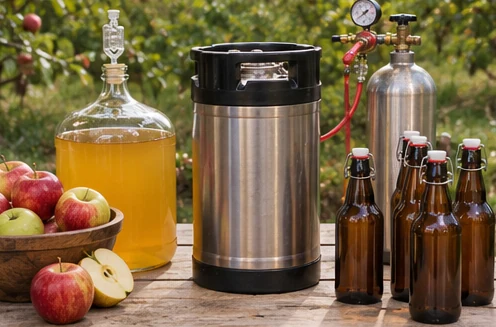
Mead & Cider
How to Carbonate Hard Cider: Dry and Sweet Options
Hard cider can be carbonated by controlled bottle conditioning or by adding carbon dioxide through suitable kegging equipment. The choice depends on fermentation completion, desired sweetness…
Read the guide →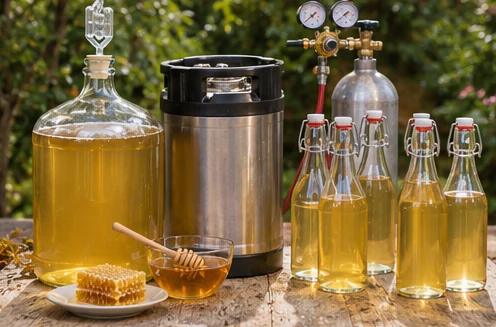
Mead & Cider
How to Carbonate Mead: Match Sweetness and Equipment
Mead can be still, gently sparkling or fully sparkling. To add carbonation, choose between controlled bottle conditioning and force carbonation with suitable equipment. The appropriate choice…
Read the guide →