Find a clear answer about brewing, equipment, beer styles, serving or mead. Browse every published Beer Snobs guide, choose a topic, or search for a question.
120 articles · Page 3 of 10
Homebrewing
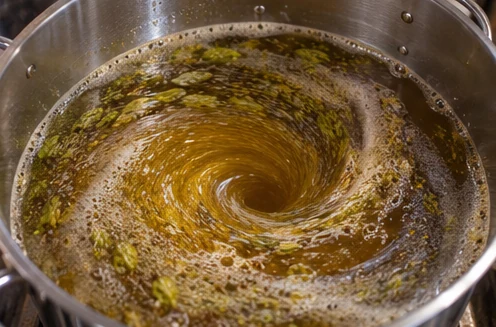
Hop Stand vs Whirlpool: Contact Time and Kettle Movement
A hop stand describes a period when hops remain in hot wort after the boil. A whirlpool describes wort movement, usually created by stirring or pumping…
Read the guide →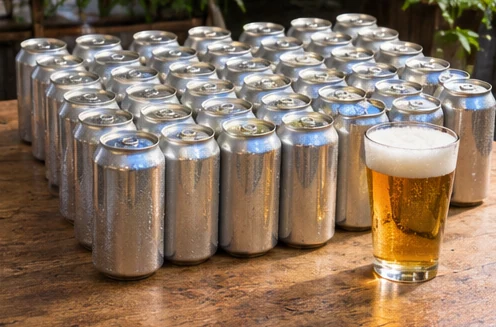
Homebrewing
How Much Beer Is 100 Shots? Volume and Alcohol Explained
One hundred one-US-fluid-ounce measures of beer total one hundred fluid ounces, or about 2.96 liters. That is eight full 12-ounce cans plus four ounces. If each…
Read the guide →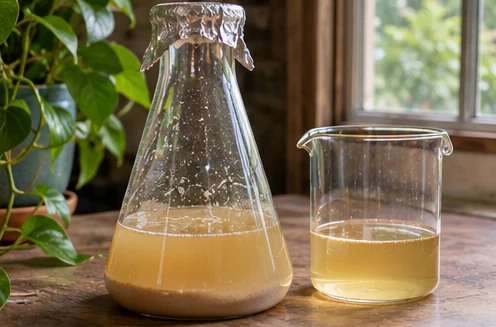
Homebrewing
How to Decant a Yeast Starter Without Losing the Yeast
Decant a yeast starter by allowing its growth phase to finish, chilling it if appropriate for the culture, letting yeast settle, and carefully pouring off most…
Read the guide →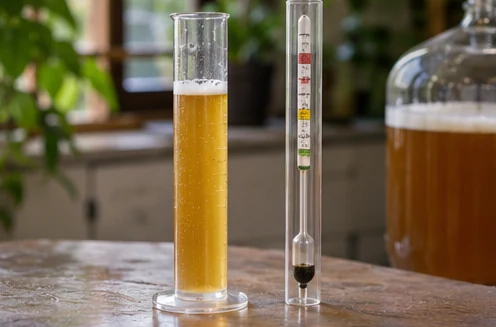
Homebrewing
How to Measure Alcohol Content in Homebrew
For ordinary homebrew beer, estimate alcohol content from reliable original and final gravity measurements using an appropriate calculation. A brewing hydrometer measures density, so it needs…
Read the guide →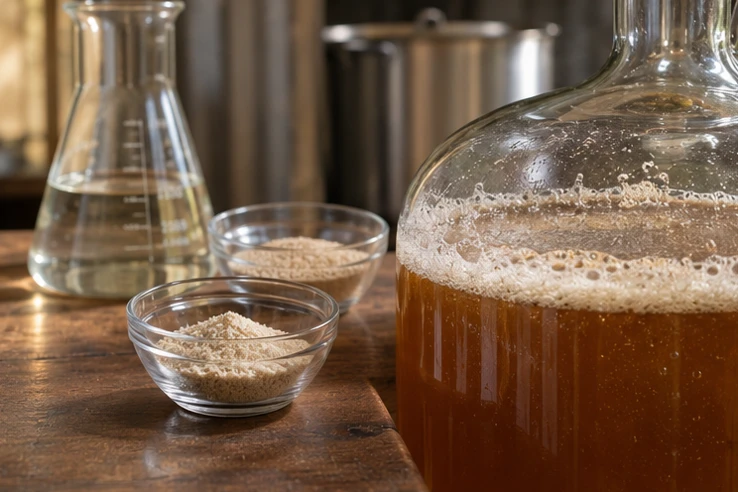
Homebrewing
How to Use Yeast Energizer in a Supported Recipe
Use yeast energizer only when the product and brewing process support it, at the rate and stage specified by the maker. The name energizer does not…
Read the guide →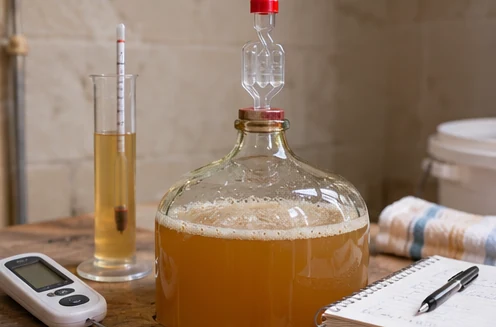
Homebrewing
What If Homebrew Is Not Fermenting? Check the Evidence
If homebrew appears not to be fermenting, first check whether reliable gravity readings show progress. A quiet airlock is not proof of inactivity. Verify the measurement…
Read the guide →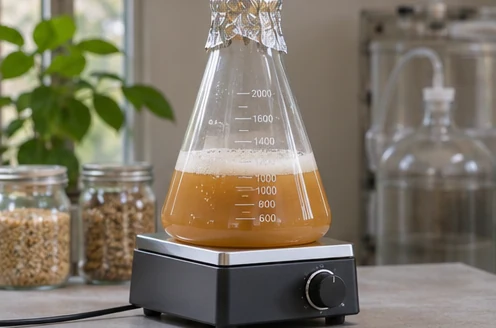
Homebrewing
Best Stir Plates for Yeast Starters: Buying Guide
A stir plate is useful when your yeast plan calls for a stirred starter. It keeps a magnetic bar moving inside a flask; it is not…
Read the guide →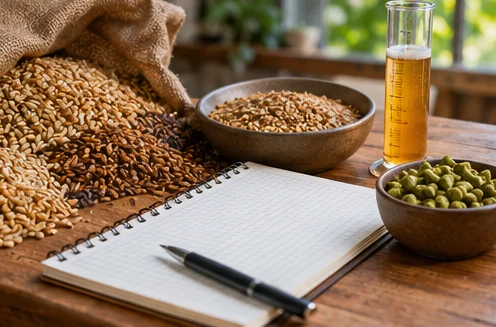
Homebrewing
How to Make Homebrew Stronger: Plan the Recipe First
To make a stronger homebrew, plan more fermentable material relative to the finished batch volume and choose a yeast process that can ferment it successfully. Strength…
Read the guide →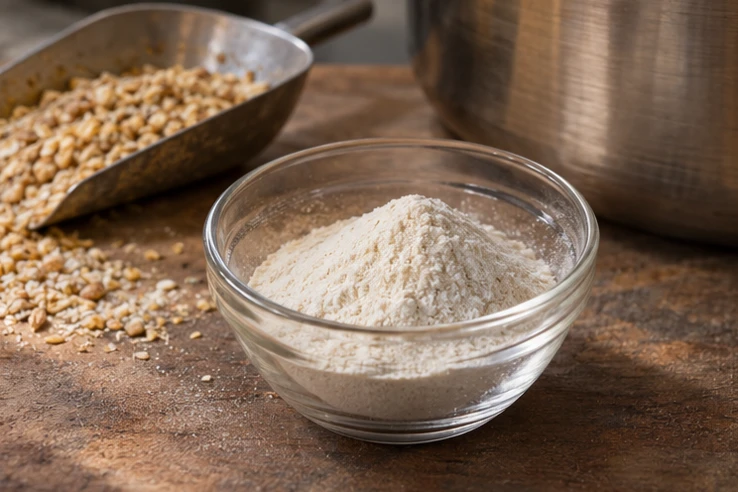
Homebrewing
How Much Amylase Enzyme to Use? Read the Exact Product
Use the dosage specified for your exact amylase product and its intended application. There is no universal teaspoon-per-gallon amount for every brewing enzyme. Products differ in…
Read the guide →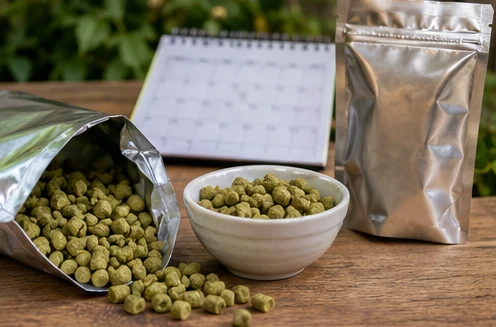
Homebrewing
How to Dry Hop With Pellets: Timing, Aroma and Packaging
Dry hopping with pellets means adding hops to cooled, fermenting or fermented beer to build aroma without a conventional kettle boil. Start with a tested recipe,…
Read the guide →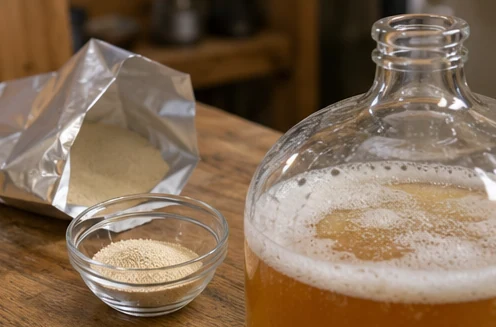
Homebrewing
How to Pitch Yeast
Pitching yeast means adding a suitable yeast culture to cooled wort. The essentials are a clean process, enough viable yeast, the correct temperature and the preparation…
Read the guide →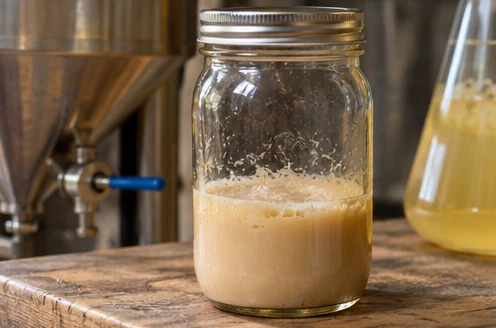
Homebrewing
How to Handle Harvested Yeast Without Casual Washing
The phrase washing yeast can mean two different tasks. Homebrew discussions sometimes use it for separating yeast slurry from sediment with water. Professional acid washing is…
Read the guide →