Find a clear answer about brewing, equipment, beer styles, serving or mead. Browse every published Beer Snobs guide, choose a topic, or search for a question.
273 articles · Page 3 of 23
Beer Gear
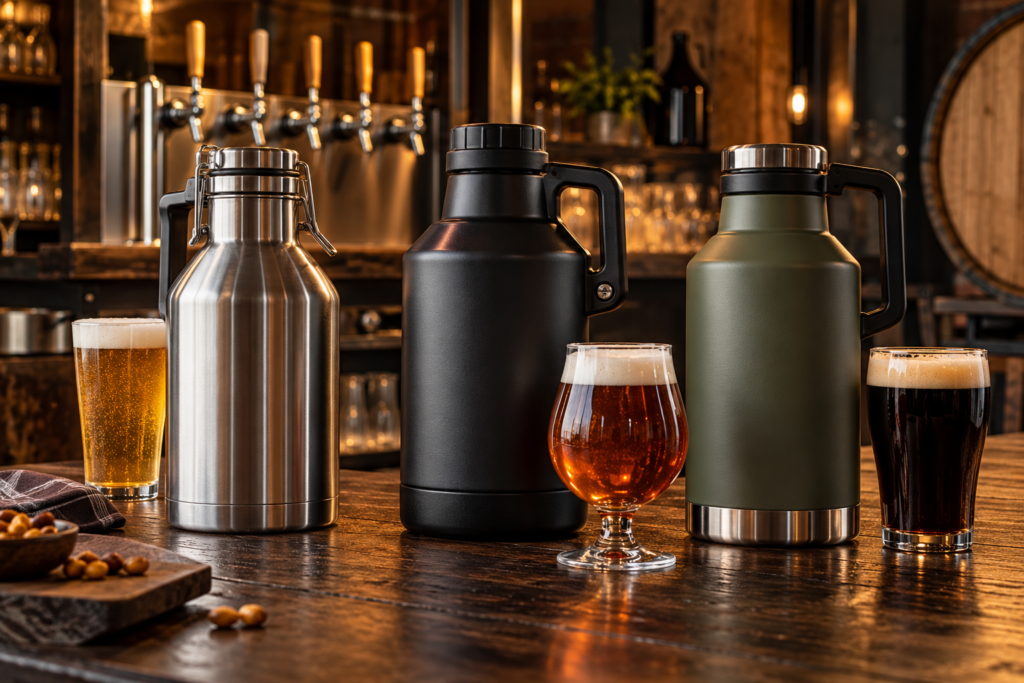
Best Insulated Beer Growlers: What to Check Before Filling
A growler should match the beverage, fill method, cleaning routine, closure, and time between tap and pour. Carbonation compatibility matters more than a rugged-looking bottle.Confirm the…
Read the guide →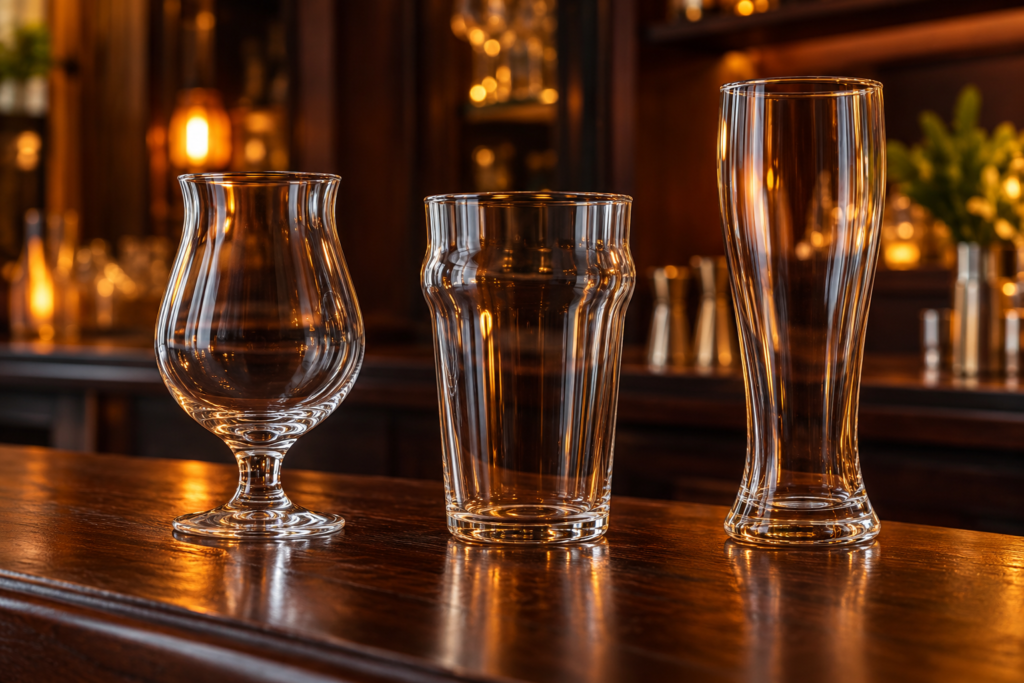
Beer Basics
How Beer Glass Shape Changes Aroma, Foam, and Pace
Glass shape changes head space, aroma concentration, foam support, warming, and sip size. Use clean glassware and a consistent pour before crediting the glass for every…
Read the guide →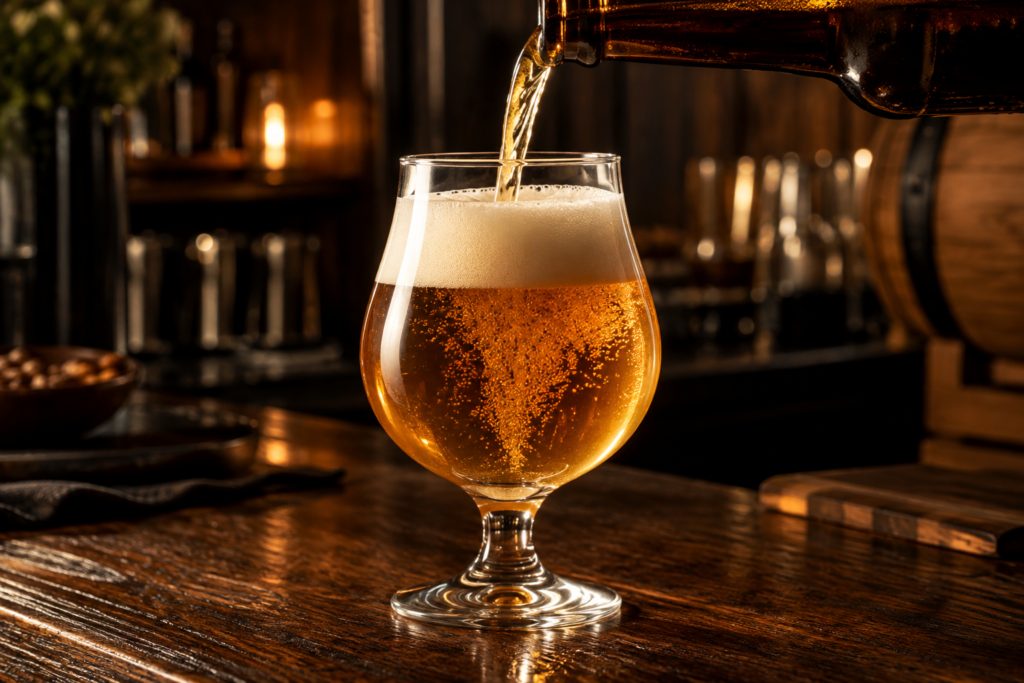
Beer Basics
How to Pour Beer With a Stable Foam Head
A controlled pour releases aroma, manages carbonation, and builds a foam head that suits the beer. Clean glassware and a simple two-stage angle do most of…
Read the guide →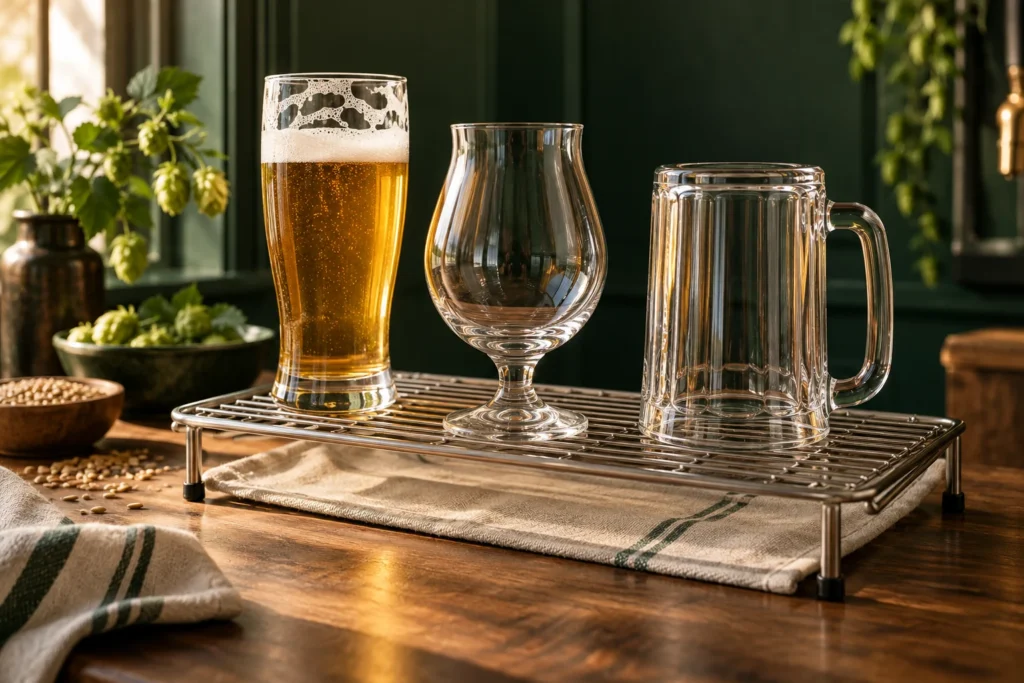
Serving & Storage
How to Keep Beer Glasses Beer-Clean at Home
Quick take: Invisible oil, detergent film, and towel lint can flatten foam and change how beer presents. A separate, simple cleaning routine keeps glassware ready for…
Read the guide →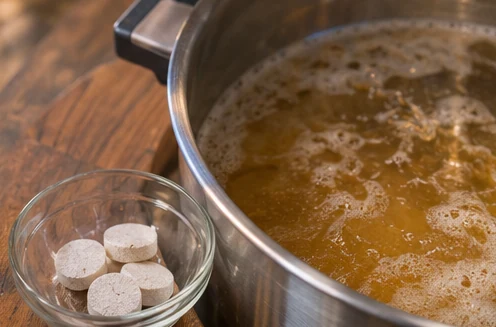
Homebrewing
What Is Whirlfloc? Kettle Finings, Timing and Limitations
Whirlfloc is a kettle fining product used during brewing to help separate haze-forming material from wort. It is a process aid, not yeast, a sanitizer, a…
Read the guide →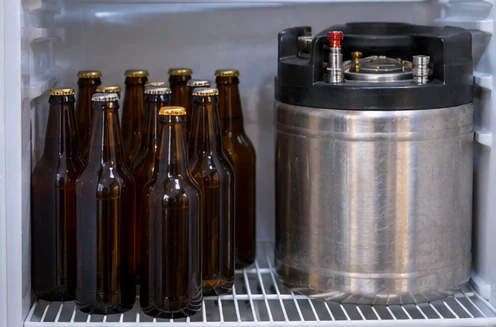
Homebrewing
Will Homebrew Carbonate in the Fridge? Bottles vs Kegs
For ordinary bottle conditioning, a refrigerator is usually not the place to generate carbonation efficiently. The yeast need suitable conditions to ferment the measured priming addition.…
Read the guide →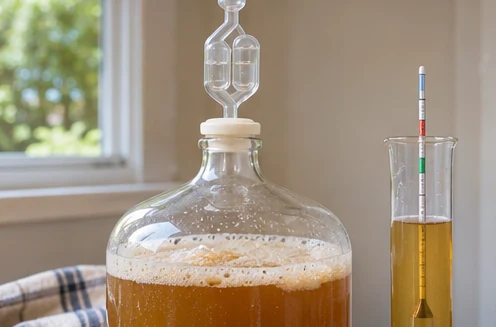
Homebrewing
Why Is My Beer Not Bubbling? Check the Vent and Gravity
Beer can ferment without producing a visible stream of airlock bubbles. Gas may leave through another route, and the visible pattern also depends on the vent…
Read the guide →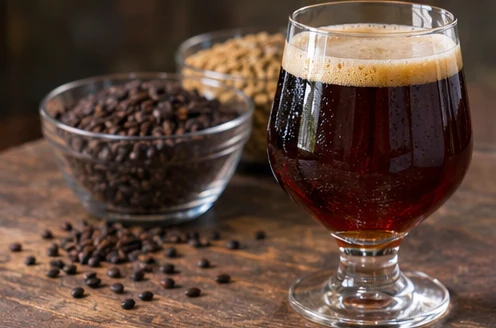
Homebrewing
Why Is My Homebrew So Dark? Check Recipe and Process
Homebrew can look darker than expected because of how you observe it, the ingredients selected, wort concentration and heating, or changes after brewing such as oxidation.…
Read the guide →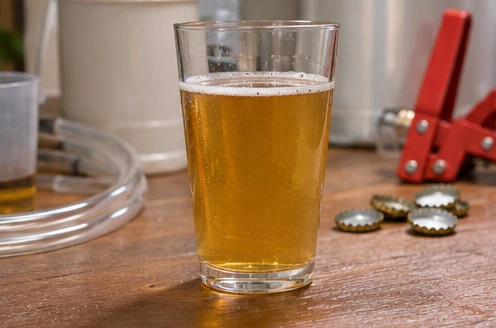
Homebrewing
Why Is My Homebrew Flat? Diagnose the Missing Step
Homebrew can be flat because carbonation has not developed as intended, gas was not retained, the carbonation input was inadequate or gas escaped during an unsuitable…
Read the guide →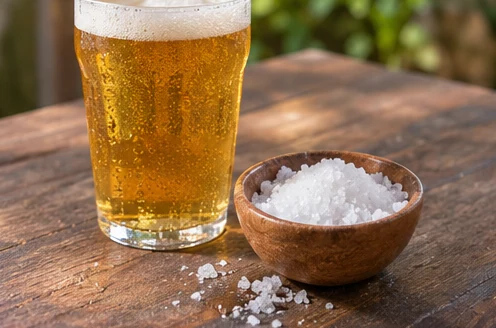
Serving & Storage
Why Do People Put Salt in Beer? Flavor and Tradition
People put salt in beer because they enjoy the changed flavor, like a salted rim, or follow a familiar drink-garnishing tradition. Some use plain salt; others…
Read the guide →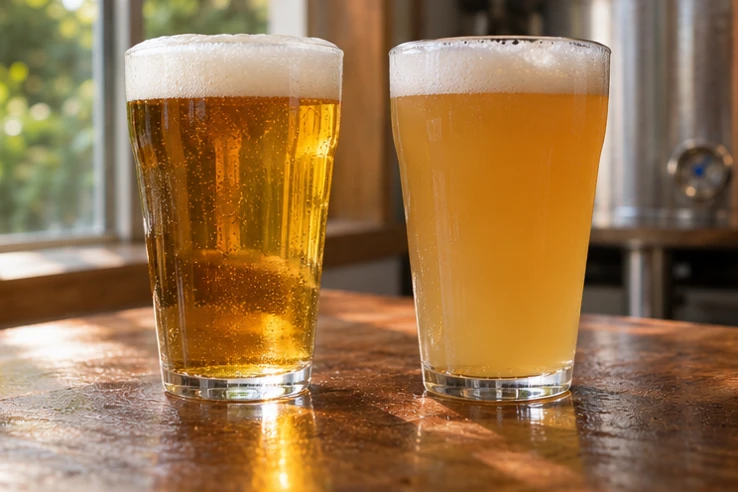
Homebrewing
Why Is My Beer Cloudy? Diagnose Haze Before Fixing It
Beer can be cloudy because of intended recipe characteristics, suspended yeast or other particles, temperature-dependent haze, and changes in ingredients or handling. Cloudiness alone does not…
Read the guide →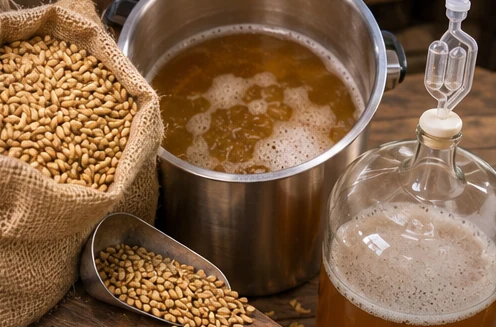
Homebrewing
What Is Wort in Beer? From Malt to Fermentation
Wort is the sweet liquid a brewer prepares before fermentation turns it into beer. It contains water and dissolved material from malt and other recipe ingredients,…
Read the guide →