Find a clear answer about brewing, equipment, beer styles, serving or mead. Browse every published Beer Snobs guide, choose a topic, or search for a question.
120 articles · Page 10 of 10
Homebrewing
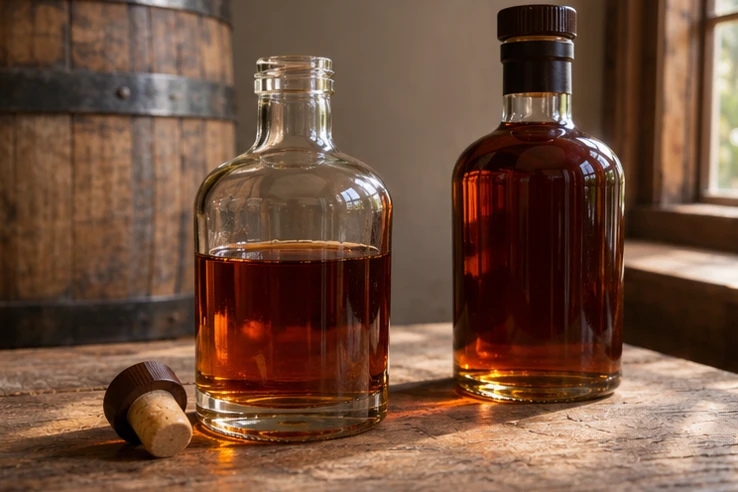
How Long Is Rum Good For? Opened and Unopened Bottles
Ordinary commercially bottled rum can retain its quality for years when unopened and stored appropriately. After opening, its character may gradually change, so the producer's guidance…
Read the guide →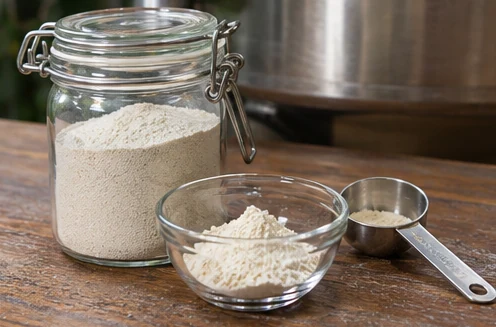
Homebrewing
How Much Yeast Nutrient per Gallon? Match the Product
There is no universal teaspoon of yeast nutrient per gallon. Nutrient products differ in composition, purpose and addition timing, so use the exact label for the…
Read the guide →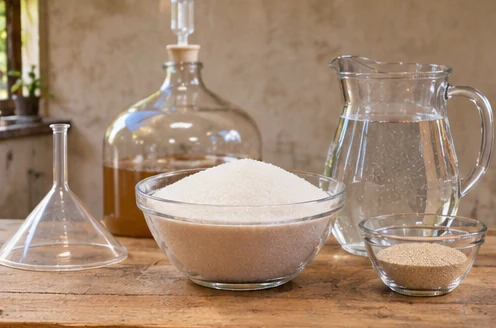
Homebrewing
How to Make Sugar-and-Yeast Homebrew with a Real Plan
Sugar and yeast can form the basis of an alcoholic fermentation, but water, sugar and an arbitrary packet are not a complete beverage recipe. Use a…
Read the guide →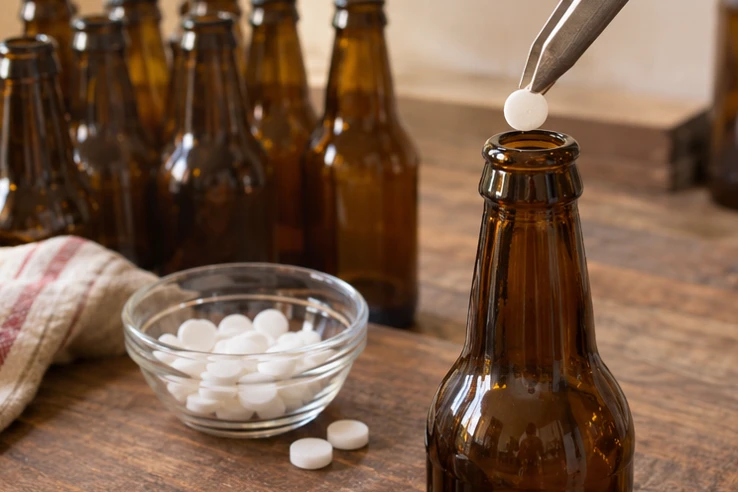
Homebrewing
How to Use Carbonation Drops for Bottle Conditioning
Use carbonation drops by adding the manufacturer's specified number to each clean, sanitized bottle of fully fermented beer, then fill and cap using your normal bottling…
Read the guide →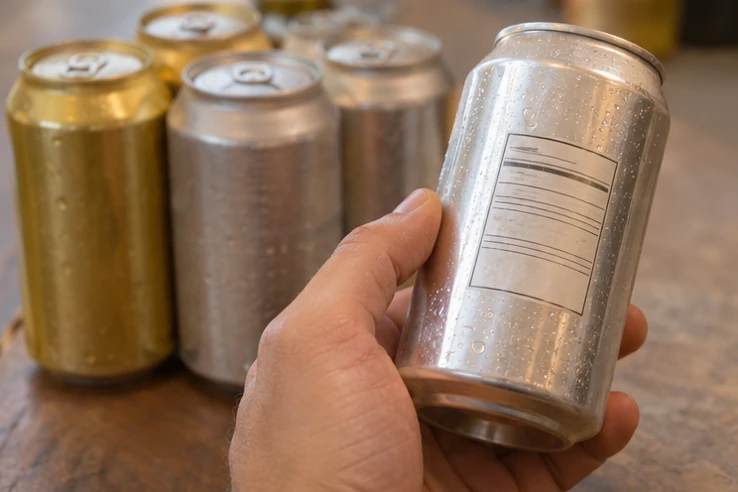
Homebrewing
What Cheap Beer Has the Most Alcohol? Check the Label
There is no single beer that is both the cheapest and strongest in every market. Local price, package size, taxes, promotions, and availability vary, while products…
Read the guide →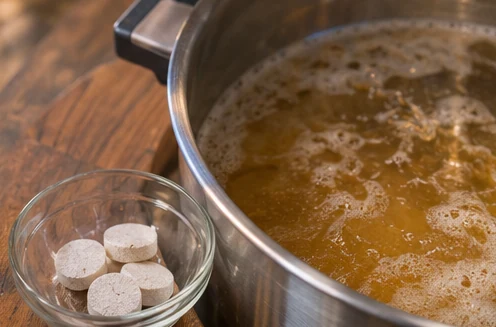
Homebrewing
What Is Whirlfloc? Kettle Finings, Timing and Limitations
Whirlfloc is a kettle fining product used during brewing to help separate haze-forming material from wort. It is a process aid, not yeast, a sanitizer, a…
Read the guide →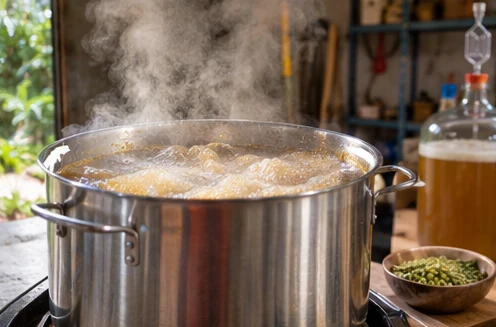
Homebrewing
Does Homebrewing Smell? Brew-Day and Fermentation Aromas
Homebrewing usually produces noticeable aromas. Mash and boil stages often smell grainy, sweet, toasty or herbal, while fermentation can release yeast-related and sometimes sulfurous notes. The…
Read the guide →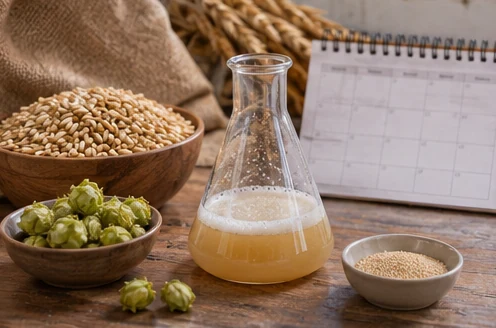
Homebrewing
How Long Does It Take to Make Alcohol by Fermentation?
Yeast can begin producing alcohol as fermentation develops, but making a finished alcoholic beverage usually takes longer than producing its first alcohol. Beer, cider, wine and…
Read the guide →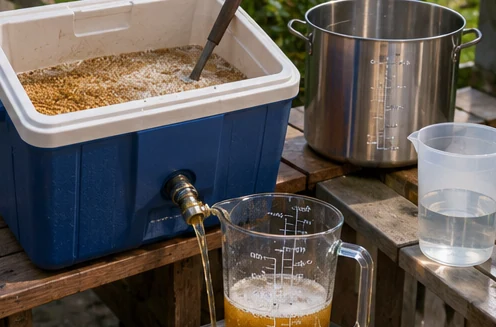
Homebrewing
How to Batch Sparge: Water Volumes, Runoff and Troubleshooting
Batch sparging means draining the first wort from a mash, adding a measured batch of rinse water to the grain, stirring, briefly allowing the bed to…
Read the guide →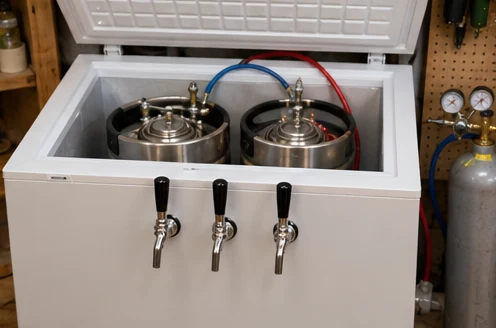
Homebrewing
How to Make a Keezer: Plan the Freezer and Draft System
A keezer is a chest-freezer-based draft-beer setup operated at an appropriate serving temperature with suitable controls. To build one, confirm that the freezer and intended control…
Read the guide →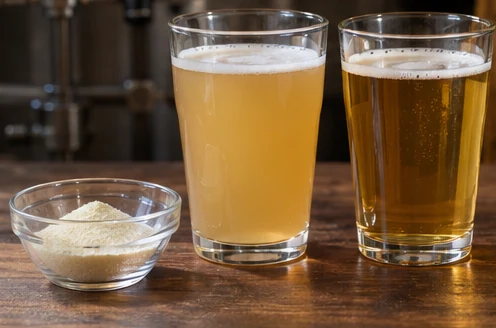
Homebrewing
How to Use Gelatin in Beer for Clarification
Gelatin finings can help certain suspended material settle in beer, improving clarity in a suitable process. They are optional and should be used through the actual…
Read the guide →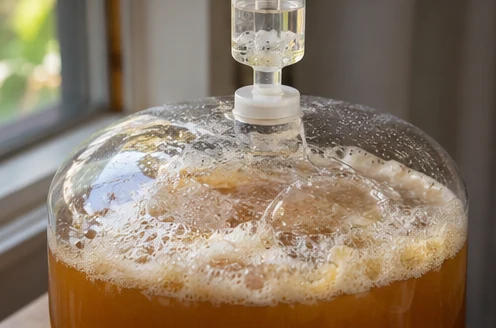
Homebrewing
What Does Beer Fermentation Look Like?
Beer fermentation may look like a foamy cap above cloudy liquid, particles moving through the vessel, and a growing layer of sediment. It can also look…
Read the guide →