What Size Tub Do You Need for a Keg?
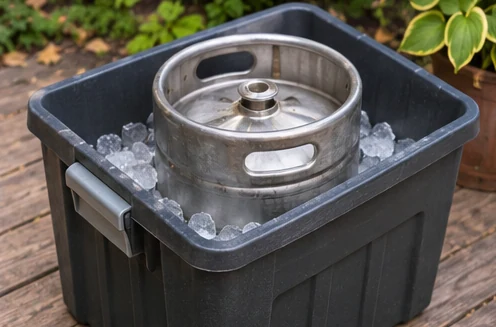
Choose a keg tub by its usable interior dimensions and the complete cooling arrangement, not simply its advertised gallon capacity. The keg must sit stably, leave space for…
 John Gillon
Choose a keg tub by its usable interior dimensions and the complete cooling arrangement, not simply its advertised gallon capacity. The keg must sit stably, leave space for…
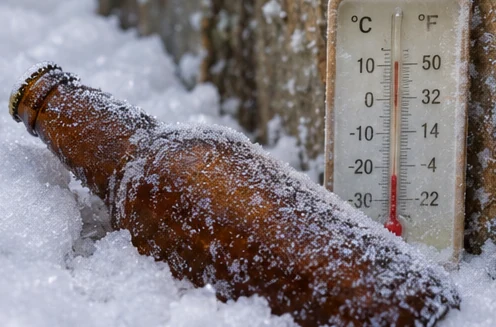
Beer does not have one universal freezing temperature. Pure water freezes at 32°F, or 0°C, under ordinary reference conditions, but beer is a mixture containing alcohol and other…
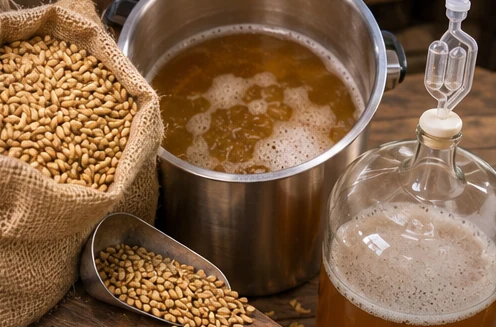
Wort is the sweet liquid a brewer prepares before fermentation turns it into beer. It contains water and dissolved material from malt and other recipe ingredients, including sugars…
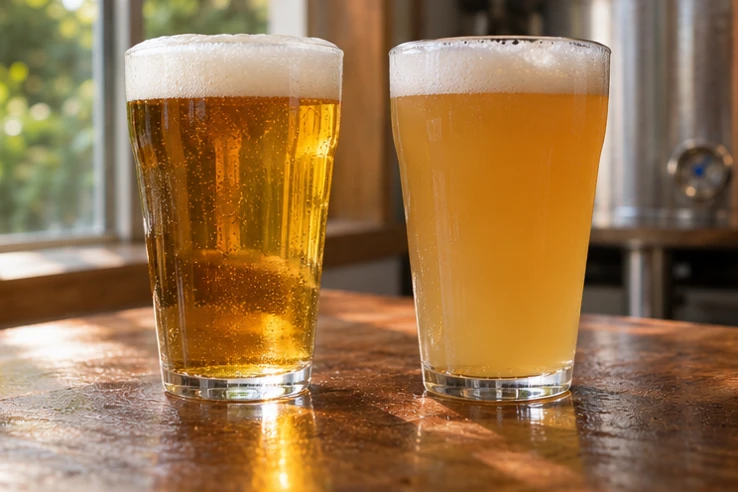
Beer can be cloudy because of intended recipe characteristics, suspended yeast or other particles, temperature-dependent haze, and changes in ingredients or handling. Cloudiness alone does not tell you…
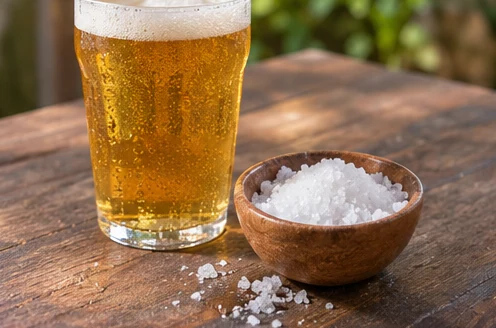
People put salt in beer because they enjoy the changed flavor, like a salted rim, or follow a familiar drink-garnishing tradition. Some use plain salt; others choose a…
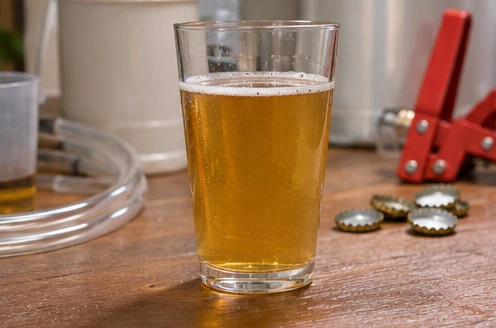
Homebrew can be flat because carbonation has not developed as intended, gas was not retained, the carbonation input was inadequate or gas escaped during an unsuitable pour. The…
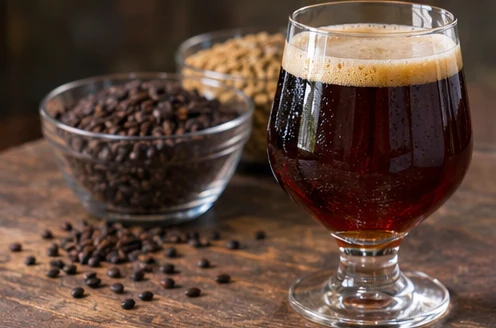
Homebrew can look darker than expected because of how you observe it, the ingredients selected, wort concentration and heating, or changes after brewing such as oxidation. Start with…
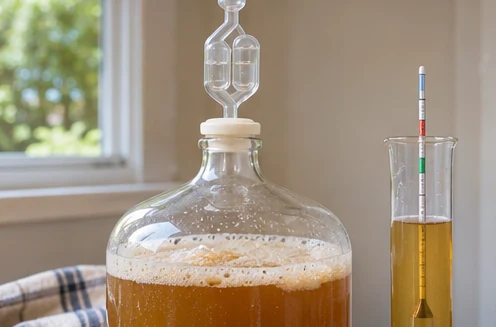
Beer can ferment without producing a visible stream of airlock bubbles. Gas may leave through another route, and the visible pattern also depends on the vent arrangement and…
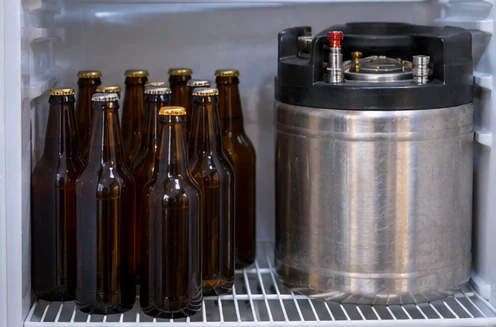
For ordinary bottle conditioning, a refrigerator is usually not the place to generate carbonation efficiently. The yeast need suitable conditions to ferment the measured priming addition. A chilled…
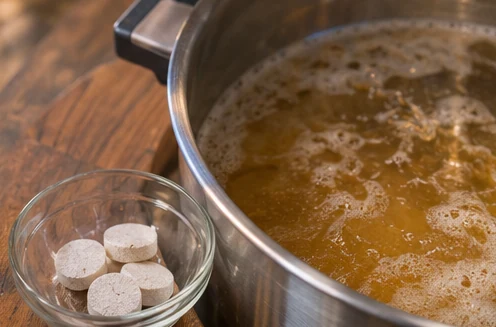
Whirlfloc is a kettle fining product used during brewing to help separate haze-forming material from wort. It is a process aid, not yeast, a sanitizer, a fermentation nutrient,…