Find a clear answer about brewing, equipment, beer styles, serving or mead. Browse every published Beer Snobs guide, choose a topic, or search for a question.
273 articles · Page 9 of 23
Brewing Equipment
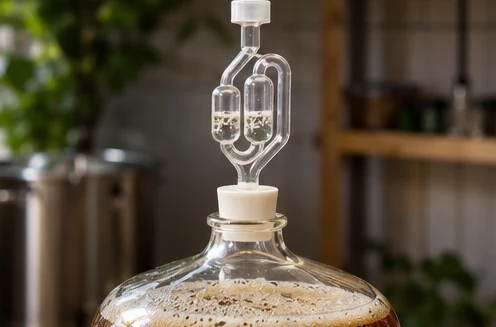
How to Use a Three-Piece Airlock for Fermentation
A three-piece airlock consists of a body, a floating internal piece, and a cap. Used with a compatible atmospheric fermenter, it lets gas move out through…
Read the guide →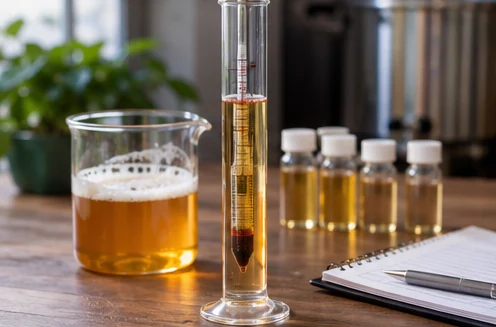
Beer Styles
How to Test Alcohol Proof: Tools and Sample Limits
To test alcohol proof, first identify the sample and choose a method suitable for its composition. A proof hydrometer or alcoholmeter can assess an appropriate ethanol-water…
Read the guide →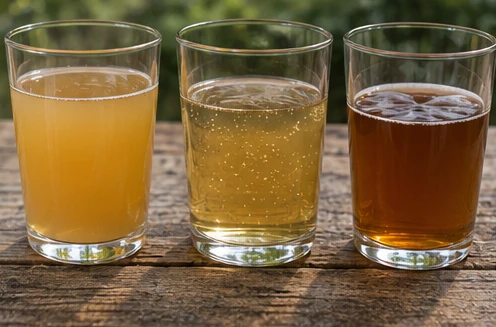
Homebrewing
How to Tell Whether Your Beer May Be Contaminated
You cannot reliably diagnose every beer contamination from a photograph, an airlock pattern, or one unfamiliar smell. Normal fermentation can produce foam, sediment, and changing aromas,…
Read the guide →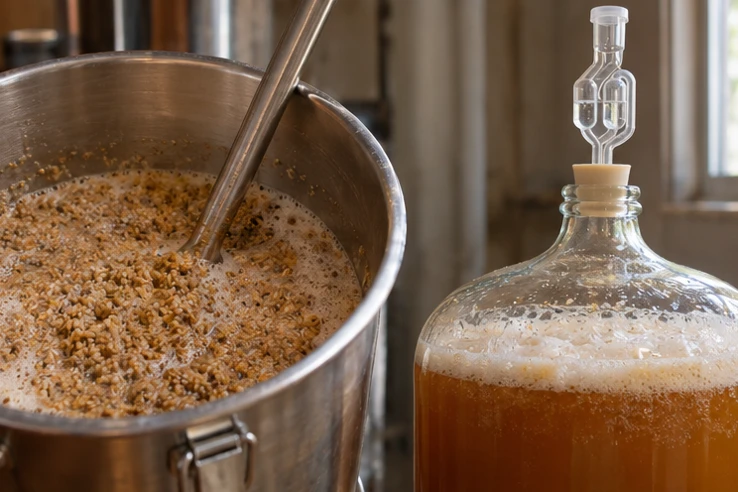
Homebrewing
Is the Mash Done Fermenting? Separate Two Brewing Steps
In ordinary beer brewing, the mash is not the yeast-fermentation stage. Mashing prepares wort through grain-and-water processing, including starch conversion; yeast fermentation happens later in the…
Read the guide →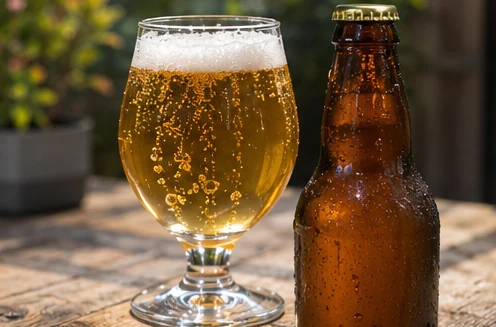
Homebrewing
How to Tell If Homebrew Is Carbonated
For ordinary homebrew, check carbonation with a representative properly chilled sample and a controlled pour, then compare the result with the intended beer. For a keg,…
Read the guide →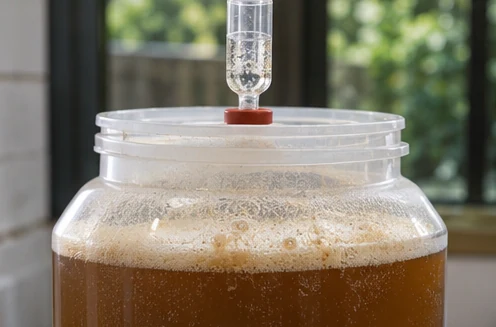
Homebrewing
How to Tell If Beer Is Fermenting: Check the Trend
The most useful practical evidence that beer is fermenting is a credible gravity trend showing the wort changing under appropriate conditions. Foam, gas release and visible…
Read the guide →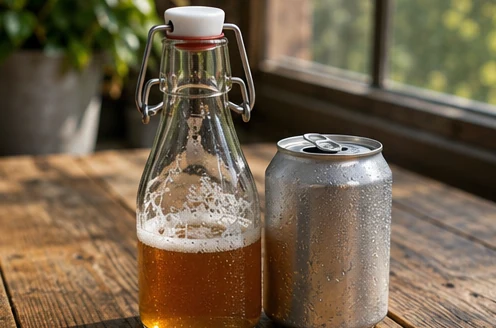
Serving & Storage
How to Store Opened Beer and What to Expect
Opened beer is best enjoyed soon after pouring or opening, when its intended carbonation and aroma are still present. If you need to save some, appropriate…
Read the guide →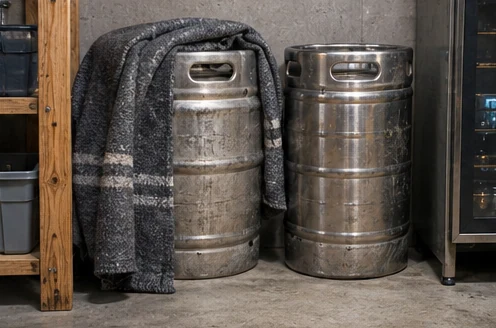
Serving & Storage
How to Store a Keg Before and After Tapping
Store a keg according to the beer producer's requirements and the keg supplier's handling instructions. For most ordinary draft-serving situations, consistent appropriate refrigeration is central to…
Read the guide →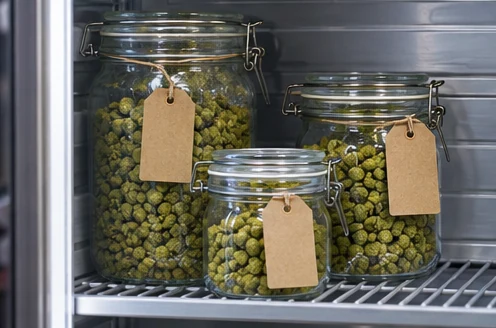
Homebrewing
How to Store Hops: Cold, Sealed and Clearly Labeled
Store dried brewing hops cold, protected from oxygen and away from light. For homebrewers, a freezer and well-sealed oxygen-barrier packaging are a practical combination. Leave unopened…
Read the guide →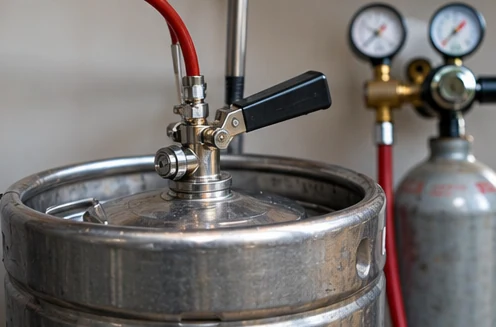
Serving & Storage
How to Stop Keg Foaming: Diagnose Before Adjusting
To stop keg foaming, first identify where the problem begins. Warm beer, a warm serving path, disturbed handling, dirty components, incompatible hardware, and incorrect system balance…
Read the guide →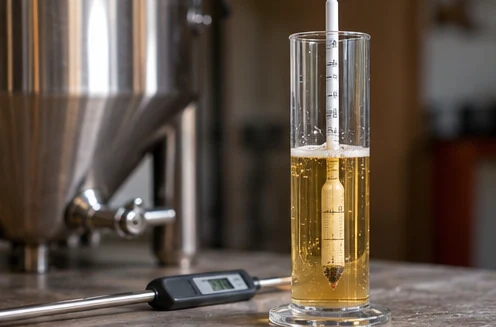
Homebrewing
How to Stop Fermentation? Plan Stability Before Packaging
Stopping an active fermentation reliably is a different task from stabilizing a completed beverage against renewed activity. Refrigeration can slow fermentation, but it is not a…
Read the guide →
Serving & Storage
How to Save Money on Beer Without Buying Waste
Saving money on beer is mostly about buying the right quantity, comparing equivalent purchases, and avoiding waste. The cheapest package is not always the best value…
Read the guide →