Find a clear answer about brewing, equipment, beer styles, serving or mead. Browse every published Beer Snobs guide, choose a topic, or search for a question.
120 articles · Page 5 of 10
Homebrewing
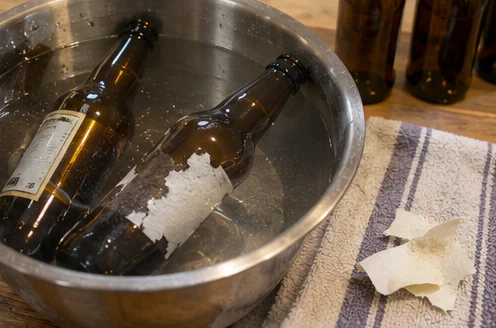
How to Remove Beer Bottle Labels for Homebrewing
Remove beer bottle labels by soaking suitable reusable bottles in water with a compatible cleaner, peeling softened labels and gently clearing remaining adhesive. Rinse thoroughly afterward…
Read the guide →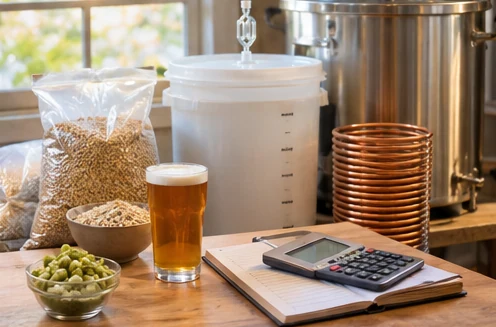
Homebrewing
Is It Cheaper to Brew Your Own Beer? Calculate It
Brewing your own beer can cost less than some comparable retail purchases, but it is not automatically cheaper. The result depends on what you brew, what…
Read the guide →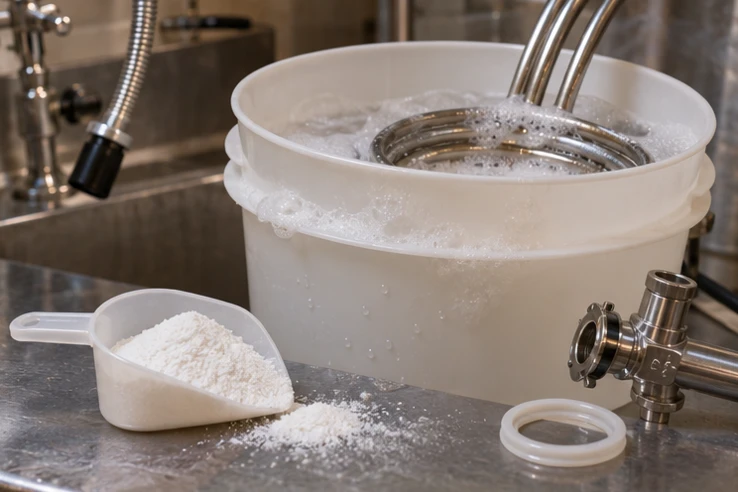
Homebrewing
What Is PBW? Brewery Cleaner, Rinsing and Sanitation
PBW is a brewing-equipment cleaner from Five Star Chemicals. The familiar powdered product helps remove brewing deposits before the equipment is rinsed and, where required, sanitized.…
Read the guide →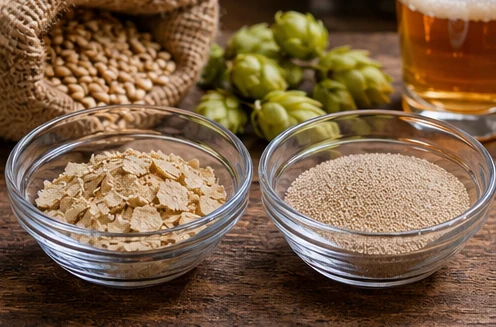
Homebrewing
Brewer’s Yeast vs Baking Yeast: Which Belongs in Beer?
Active brewing yeast is selected and sold for beverage fermentation, while baking yeast is selected for dough performance. Both can produce alcohol and carbon dioxide from…
Read the guide →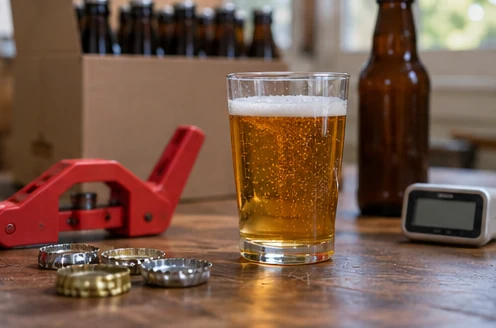
Homebrewing
How Long to Bottle Condition Beer: Process and Readiness
Bottle conditioning commonly takes a few weeks, but the beer's condition, culture and storage environment determine the actual result. Plan an initial assessment after about two…
Read the guide →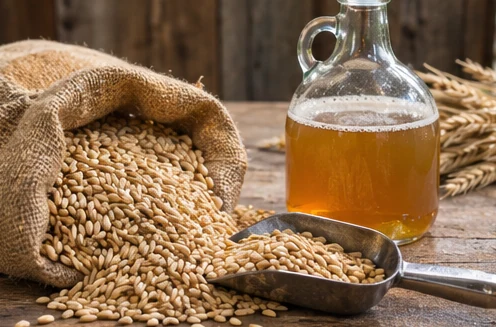
Homebrewing
How Much Grain for One Gallon of Beer? Use Gravity
The grain needed for one gallon of all-grain beer depends on target original gravity, malt extract potential and your brewing efficiency. As an illustrative calculation, one…
Read the guide →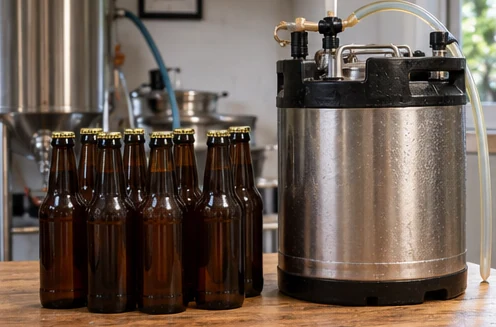
Homebrewing
How to Fix Flat Beer in Bottles or a Keg
Fix flat beer by identifying whether the problem is bottle conditioning, a leaking package or an incorrectly configured keg system. For bottles, check the conditioning conditions…
Read the guide →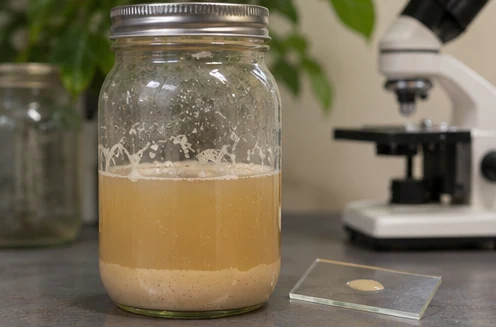
Homebrewing
How to Reuse Brewing Yeast: Harvest, Assess and Repitch
Reuse brewing yeast by selecting a suitable source fermentation, harvesting with an appropriate clean procedure, storing it under producer-supported conditions and assessing the culture before pitching…
Read the guide →
Homebrewing
Is Homebrewing Legal? US Rules and What to Check
US federal rules allow qualifying adults to produce limited amounts of beer for personal or family use without paying federal excise tax, provided it is not…
Read the guide →
Homebrewing
What Is Skunked Beer? Lightstruck Aroma and Prevention
Skunked beer is beer with a characteristic skunk-like aroma caused by light exposure. Brewers also call it lightstruck beer. Light can trigger reactions involving hop-derived compounds,…
Read the guide →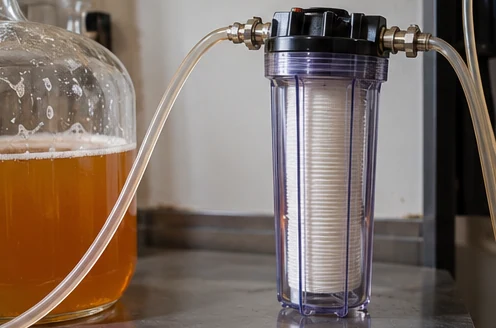
Homebrewing
Can I Filter Beer Before Bottling? Yeast and Carbonation
You can filter beer before bottling, but the decision must fit your carbonation method. Fine filtration may remove enough yeast to prevent reliable natural bottle conditioning.…
Read the guide →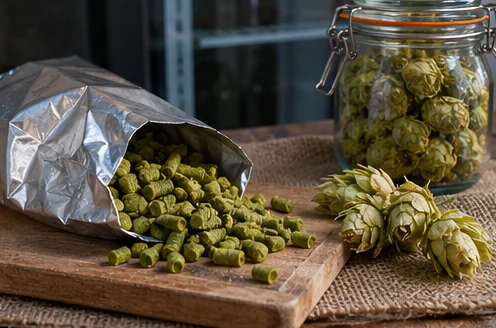
Homebrewing
How Long Do Hops Last? Packaging, Temperature and Use
Hops do not have one universal shelf life. Unopened, properly stored commercial pellets can retain useful brewing quality for years, while opened or poorly stored hops…
Read the guide →