Find a clear answer about brewing, equipment, beer styles, serving or mead. Browse every published Beer Snobs guide, choose a topic, or search for a question.
120 articles · Page 4 of 10
Homebrewing
What Is Acid Blend? Ingredients and Measured Adjustments
Acid blend is a prepared mixture of acids sold for beverage making, commonly including tartaric, malic and citric acids. It can increase tartness and change acidity,…
Read the guide →
Homebrewing
Best Sugar for Fermentation: Choose by Recipe and Purpose
The best sugar for fermentation depends on whether you are building a recipe, adjusting its character or priming finished beer. Plain white sugar is a practical…
Read the guide →
Homebrewing
How to Filter Beer: A Practical Keg-to-Keg Process
Filter beer by transferring a finished, suitably settled batch through beer-compatible filter media into a prepared receiving vessel. For homebrewers, a purpose-built keg-to-keg system is a…
Read the guide →
Homebrewing
How Much Coffee to Add to Beer? Use a Measured Trial
There is no single coffee quantity that suits every beer. Coffee variety, roast, extraction strength and the base beer all affect the result. A practical approach…
Read the guide →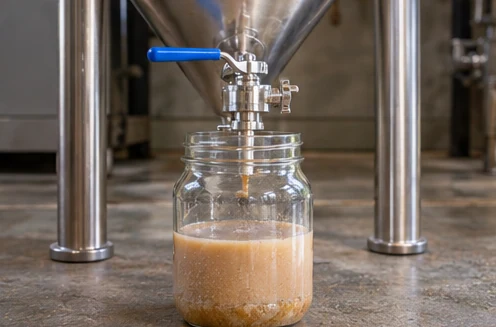
Homebrewing
How to Dump Trub from a Conical Fermenter
To dump trub from a conical fermenter, use its designated bottom dump port and follow the procedure for that exact vessel. Prepare the receiving arrangement, establish…
Read the guide →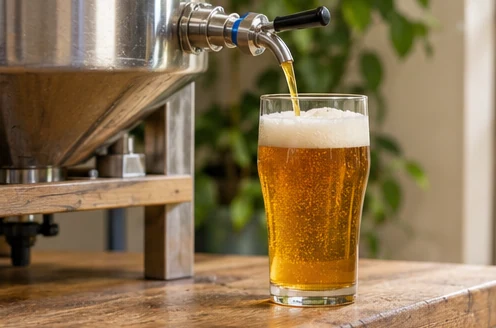
Homebrewing
How to Pour Homebrew Without Sediment: A Clearer Glass
To pour homebrew without sediment, chill the bottle upright, handle it gently, pour in one steady motion and stop before the settled layer enters the glass.…
Read the guide →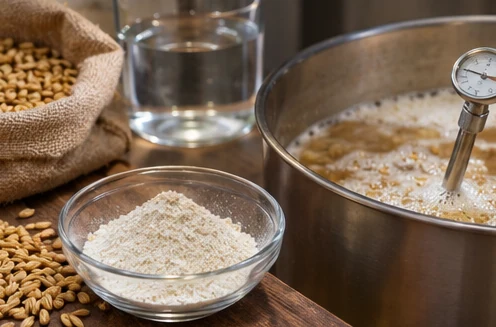
Homebrewing
How to Use Amylase Enzyme in a Brewing Recipe
Use amylase enzyme through a brewing recipe and the exact product's technical instructions. The word amylase describes an enzyme category, not one universal powder or dose.…
Read the guide →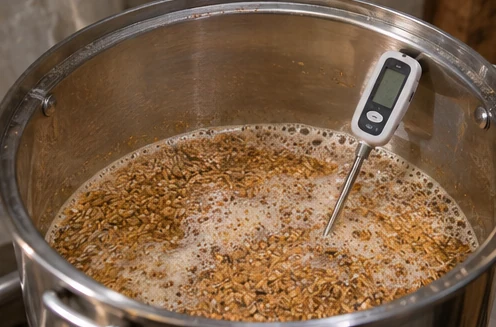
Homebrewing
What Is Mash Out? Temperature, Purpose and When to Use It
Mash out is a step near the end of mashing in which the brewer raises the mash to a higher temperature, commonly around 168–170°F or 76–77°C,…
Read the guide →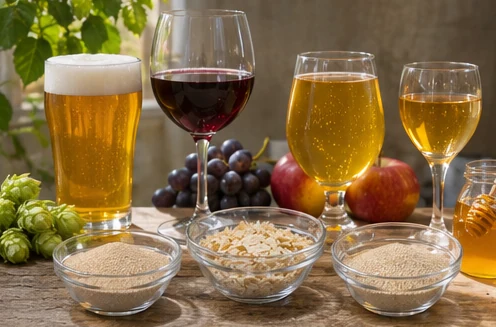
Homebrewing
Best Yeast for Alcohol: Choosing for Beer, Wine, Cider and Mead
There is no single best yeast for alcohol. Yeast suitable for a clean ale is not automatically the best choice for a fruit wine, cider or…
Read the guide →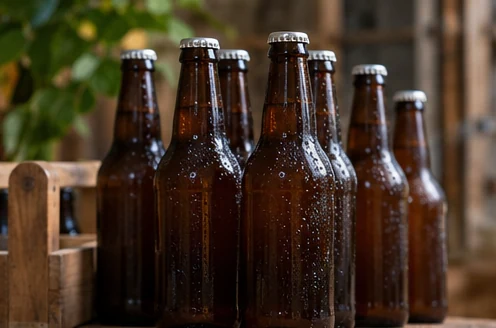
Homebrewing
How Long After Bottling Beer Can You Drink It?
You can open a homebrew bottle whenever you choose, but a freshly packaged bottle-conditioned beer usually needs time before it gives a useful picture of the…
Read the guide →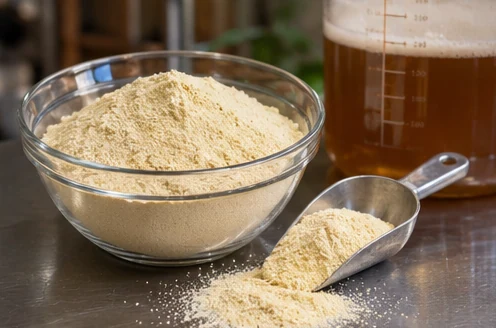
Homebrewing
How Much DME to Raise Gravity? Formula and Examples
To estimate how much dry malt extract raises wort gravity, multiply the needed gravity-point increase by the batch volume, then divide by the extract's stated yield.…
Read the guide →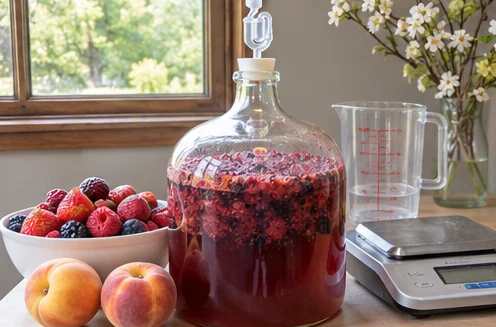
Homebrewing
How to Ferment Fruit into Alcohol: A Measured Approach
To ferment fruit into alcohol, choose a supported fruit-wine recipe, prepare suitable fruit or juice, pitch an appropriate living yeast culture and monitor the fermentation under…
Read the guide →