Find a clear answer about brewing, equipment, beer styles, serving or mead. Browse every published Beer Snobs guide, choose a topic, or search for a question.
120 articles · Page 8 of 10
Homebrewing
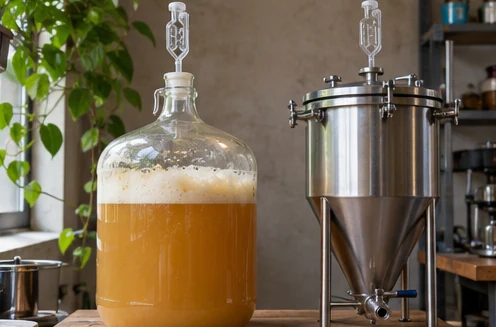
Primary vs Secondary Fermentation: Stages and Vessels
Primary fermentation is the main conversion of wort sugars into alcohol and carbon dioxide. A secondary fermenter is a second vessel used after the first, often…
Read the guide →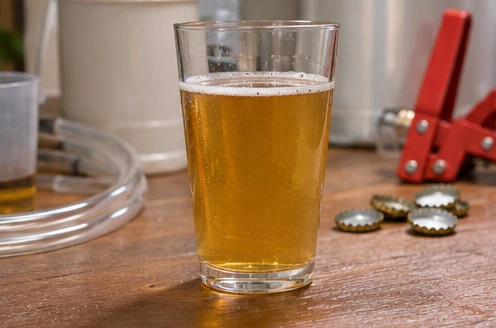
Homebrewing
Why Is My Homebrew Flat? Diagnose the Missing Step
Homebrew can be flat because carbonation has not developed as intended, gas was not retained, the carbonation input was inadequate or gas escaped during an unsuitable…
Read the guide →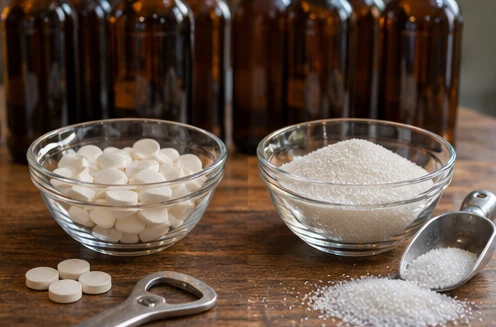
Homebrewing
Carbonation Drops vs Priming Sugar: Choosing a Method
Carbonation drops are premeasured sugar portions added to individual bottles; bulk priming uses a calculated sugar solution mixed through the beer before filling. Both rely on…
Read the guide →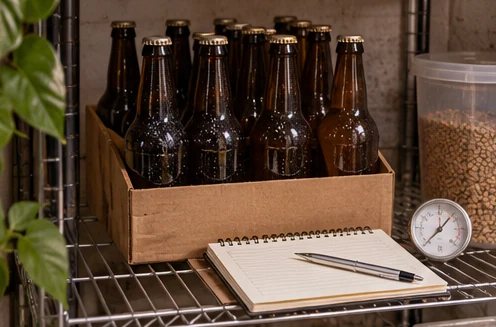
Homebrewing
How Long Does Homebrew Beer Last? A Freshness Plan
Homebrew beer has no universal shelf-life date. Its useful drinking window depends on the recipe, packaging quality, oxygen exposure and storage conditions. Many ordinary beers are…
Read the guide →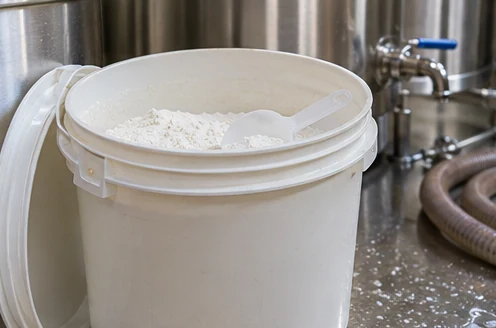
Homebrewing
How Much PBW per Gallon? Read the Product Label First
The right amount of PBW per gallon depends on the formulation, the cleaning job and the instructions on your product. Powder, liquid and tablets have different…
Read the guide →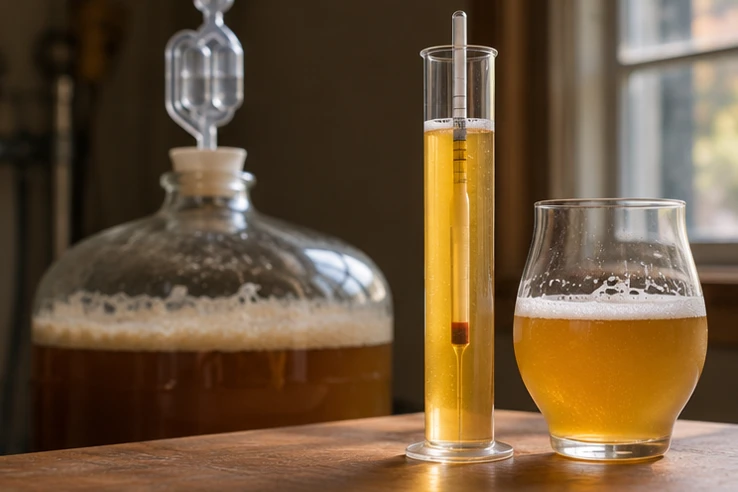
Homebrewing
How to Know When Fermentation Is Done: Beyond Bubbles
To know when fermentation is done, use reliable measurements over time and interpret them against the beverage, culture and process. Stable gravity is useful evidence, but…
Read the guide →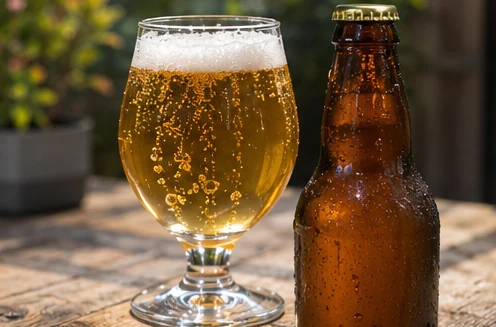
Homebrewing
How to Tell If Homebrew Is Carbonated
For ordinary homebrew, check carbonation with a representative properly chilled sample and a controlled pour, then compare the result with the intended beer. For a keg,…
Read the guide →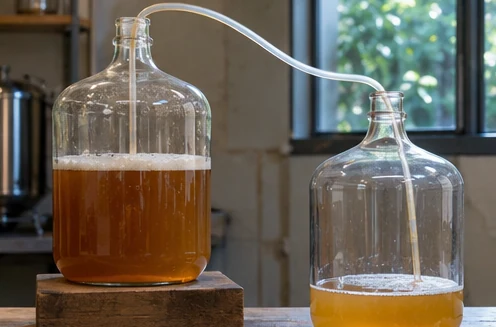
Homebrewing
Is Secondary Fermentation Necessary? A Transfer Decision Guide
A secondary fermenter is usually unnecessary for an ordinary homebrewed ale that will ferment, condition briefly and then be packaged. Leave the beer in its original…
Read the guide →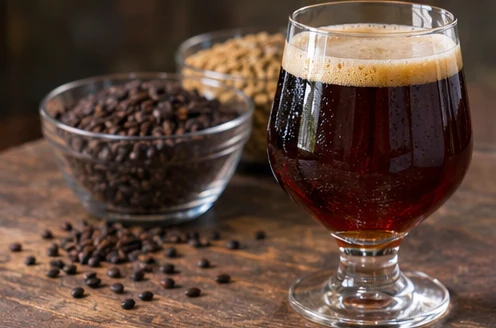
Homebrewing
Why Is My Homebrew So Dark? Check Recipe and Process
Homebrew can look darker than expected because of how you observe it, the ingredients selected, wort concentration and heating, or changes after brewing such as oxidation.…
Read the guide →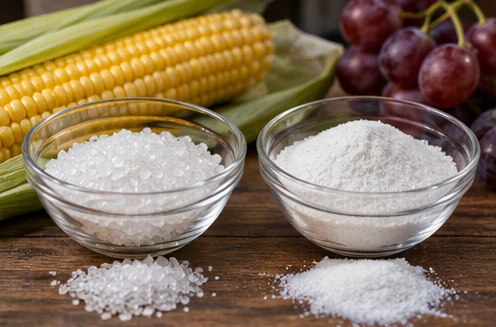
Homebrewing
Corn Sugar vs Dextrose: Names, Forms and Brewing Use
In homebrewing, corn sugar usually refers to dextrose, a form of glucose commonly sold as dextrose monohydrate. These are often two names for the same brewing…
Read the guide →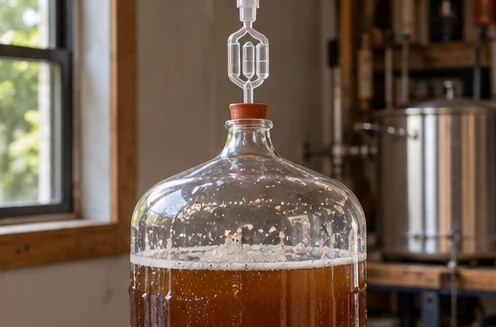
Homebrewing
How Long Can Homebrew Sit Before Bottling?
Homebrew can often remain in an appropriate, intact fermenter beyond the first date you planned to bottle it. There is no universal number of days that…
Read the guide →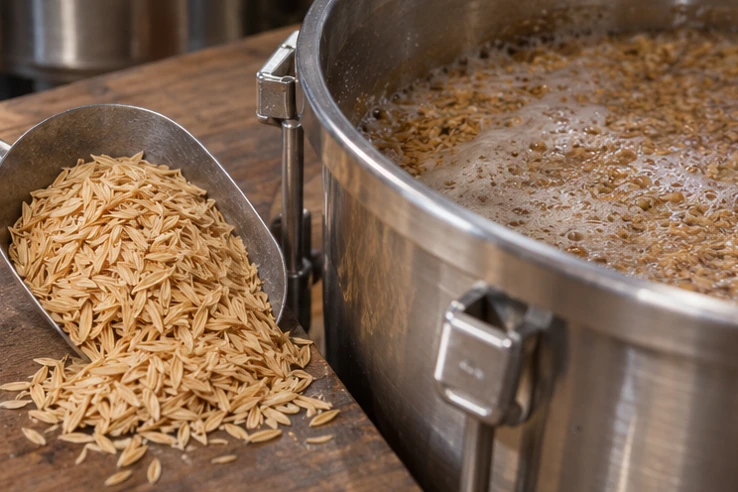
Homebrewing
How Much Rice Hulls to Use in a Brewing Mash
Rice hulls are a filtration aid, so calculate their addition against your grain bill and your lautering problem rather than the finished beer's gallons alone. Briess…
Read the guide →