Find a clear answer about brewing, equipment, beer styles, serving or mead. Browse every published Beer Snobs guide, choose a topic, or search for a question.
273 articles · Page 18 of 23
Homebrewing
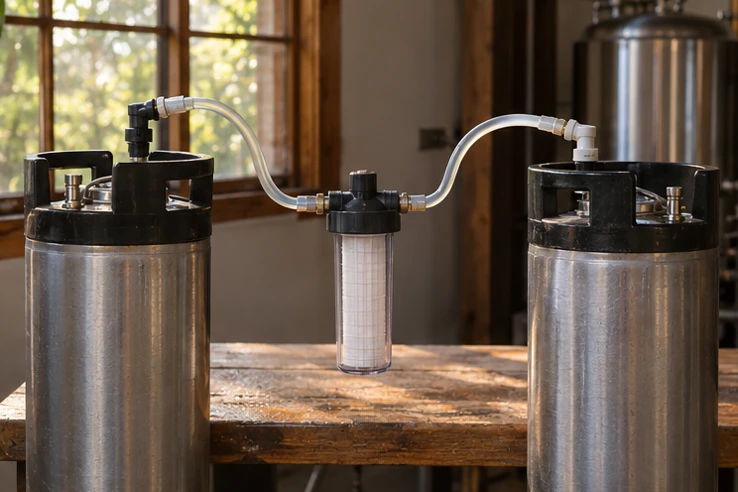
How to Filter Beer: A Practical Keg-to-Keg Process
Filter beer by transferring a finished, suitably settled batch through beer-compatible filter media into a prepared receiving vessel. For homebrewers, a purpose-built keg-to-keg system is a…
Read the guide →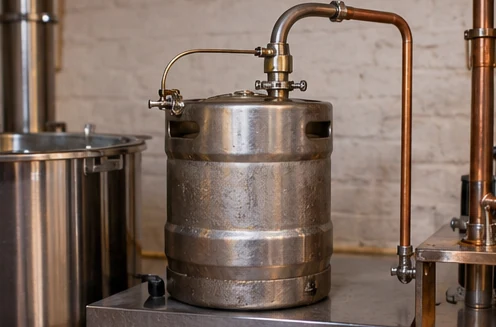
Brewing Equipment
How Does a Thump Keg Work?
A thump keg, usually called a thumper or doubler, is a vessel used in some distillation arrangements between a boiler and a final condenser. Incoming vapour…
Read the guide →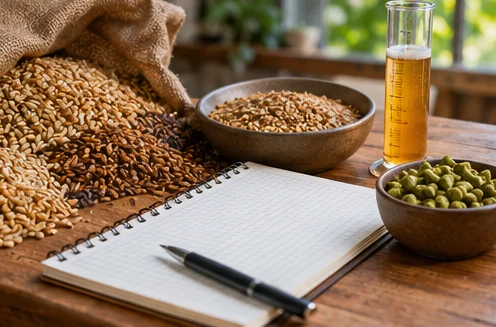
Homebrewing
How to Make Homebrew Stronger: Plan the Recipe First
To make a stronger homebrew, plan more fermentable material relative to the finished batch volume and choose a yeast process that can ferment it successfully. Strength…
Read the guide →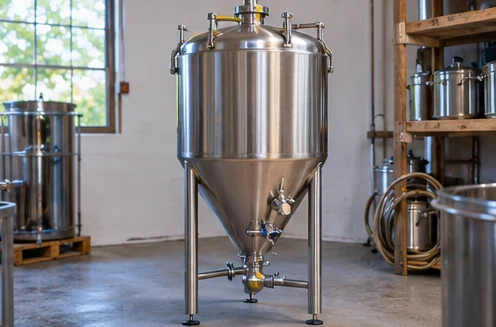
Brewing Equipment
How Do Conical Fermenters Work?
A conical fermenter has a cone-shaped bottom that concentrates settled material in a smaller area. On models with a bottom dump valve, that material can be…
Read the guide →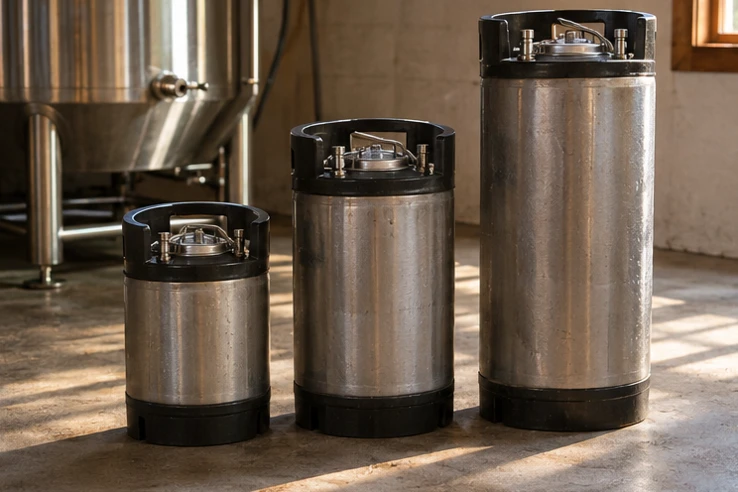
Brewing Equipment
How Big Should a Thumper Keg Be?
A thumper keg should be the size specified for the complete supported distillation system, rather than a container chosen from a universal percentage of boiler capacity.…
Read the guide →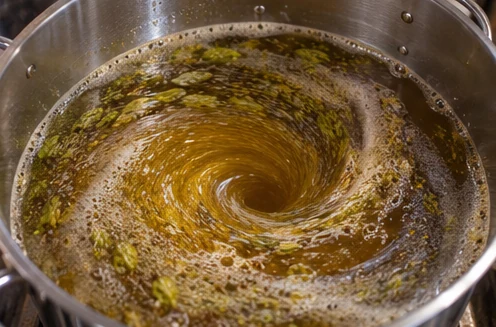
Homebrewing
Hop Stand vs Whirlpool: Contact Time and Kettle Movement
A hop stand describes a period when hops remain in hot wort after the boil. A whirlpool describes wort movement, usually created by stirring or pumping…
Read the guide →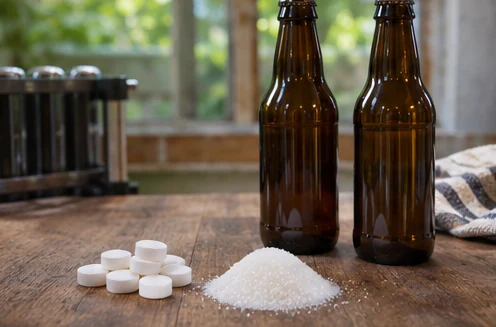
Homebrewing
Fizz Drops vs Priming Sugar: Bottle Size and Control
Fizz Drops are premeasured sugar portions used to carbonate bottle-conditioned beer. Loose priming sugar serves the same underlying purpose: yeast consumes the added fermentable sugar and…
Read the guide →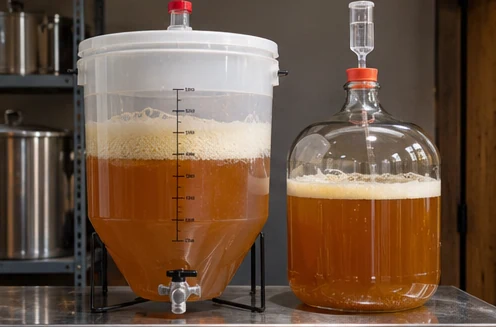
Brewing Equipment
Fermentor vs Fermenter: Does the Spelling Change the Vessel?
In everyday homebrewing, “fermentor” and “fermenter” often refer to the same thing: a vessel in which fermentation takes place. The spelling alone does not reliably tell…
Read the guide →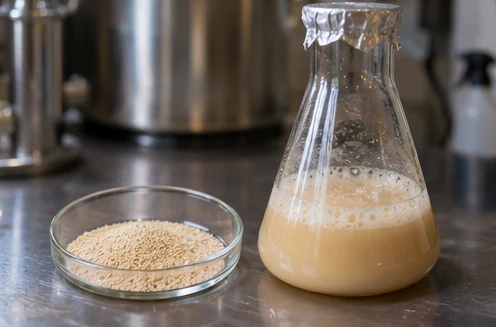
Homebrewing
Dry Yeast vs Liquid Yeast: Choosing for Your Homebrew
Dry and liquid brewing yeast can both make excellent beer. Choose the strain that fits the recipe, then make sure you have enough healthy yeast and…
Read the guide →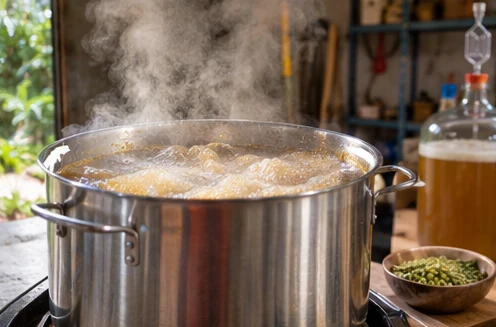
Homebrewing
Does Homebrewing Smell? Brew-Day and Fermentation Aromas
Homebrewing usually produces noticeable aromas. Mash and boil stages often smell grainy, sweet, toasty or herbal, while fermentation can release yeast-related and sometimes sulfurous notes. The…
Read the guide →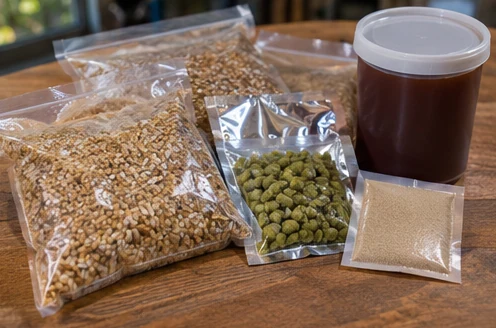
Homebrewing
Do Homebrew Kits Expire? Check Each Ingredient
Homebrew kits contain ingredients with different shelf lives and storage needs, so one printed date cannot describe the condition of every component. Yeast can lose performance,…
Read the guide →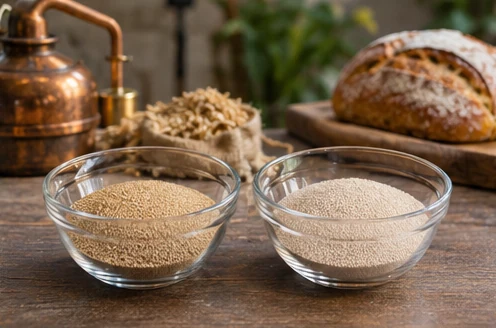
Homebrewing
Distiller’s Yeast vs Baker’s Yeast: Purpose and Selection
Distiller's yeast is selected for a particular fermentation used in beverage-spirit production, while baker's yeast is selected for dough performance. Both categories contain living cultures capable…
Read the guide →