Find a clear answer about brewing, equipment, beer styles, serving or mead. Browse every published Beer Snobs guide, choose a topic, or search for a question.
273 articles · Page 12 of 23
Homebrewing
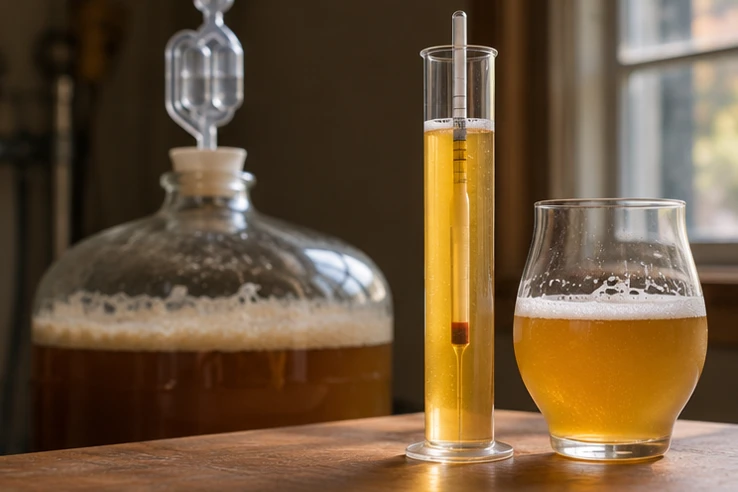
How to Know When Fermentation Is Done: Beyond Bubbles
To know when fermentation is done, use reliable measurements over time and interpret them against the beverage, culture and process. Stable gravity is useful evidence, but…
Read the guide →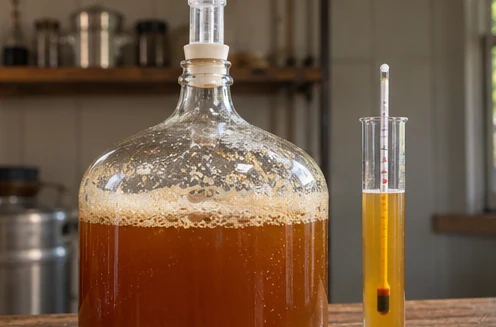
Homebrewing
How to Know Homebrew Is Done Fermenting Before Bottling
Homebrew is ready for a fermentation-completion decision when repeated gravity readings are stable under suitable conditions and the result is plausible for the wort and yeast.…
Read the guide →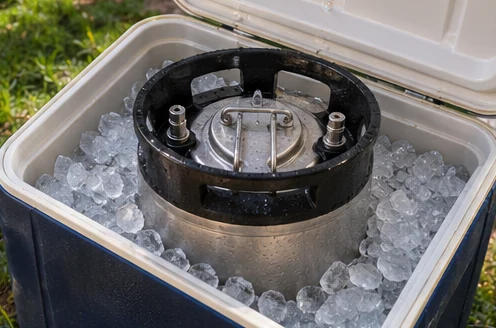
Serving & Storage
How to Keep a Keg Cold
The most dependable way to keep a keg cold is a refrigerator or kegerator that can maintain the temperature required by the beer and dispensing setup.…
Read the guide →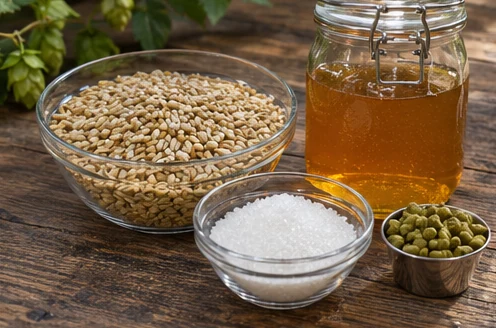
Homebrewing
How to Increase Beer ABV Without Guessing
Increase beer ABV by planning more fermentable material, achieving the intended fermentation or adjusting recipe volume deliberately. First establish whether the beer is weaker than intended…
Read the guide →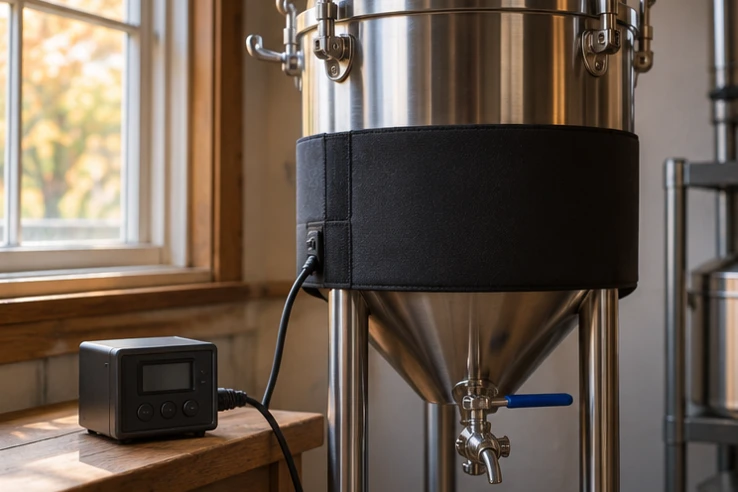
Brewing Equipment
How to Heat a Conical Fermenter Safely and Consistently
Heating a conical fermenter is a temperature-control task, not simply a matter of attaching the hottest available heater. The aim is to keep the beer within…
Read the guide →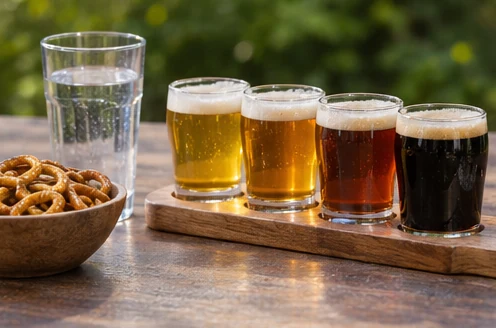
Beer Styles
Rapid Beer Drinking: Risks, Myths and Better Choices
Trying to become drunk quickly with beer is a risky goal, not a brewing or tasting skill. Beer contains alcohol, and consuming it rapidly can create…
Read the guide →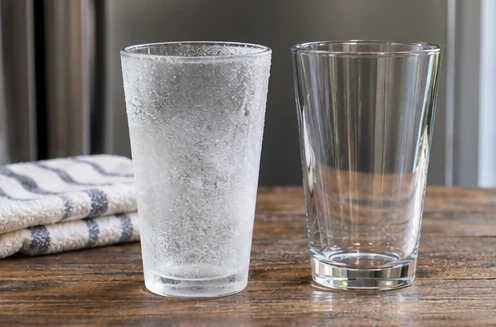
Serving & Storage
How to Frost Beer Glasses—and When to Skip It
A frosted beer glass looks cold, but it is not the best default for serving every beer. A clean glass at room temperature or modestly chilled…
Read the guide →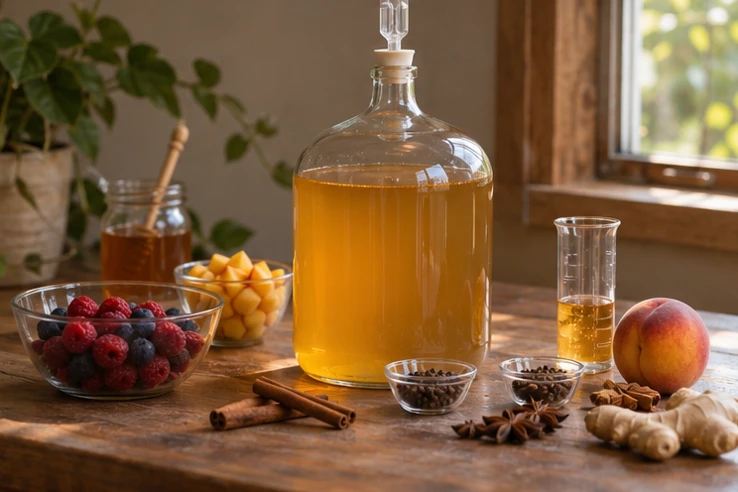
Mead & Cider
How to Flavor Mead: Fruit, Spice and Measured Trials
Flavoring mead works best when you begin with one clear aim and test additions in measured samples. Fruit, spice, herbs and oak can change aroma, acidity,…
Read the guide →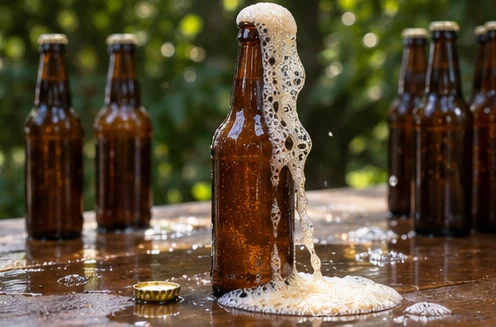
Homebrewing
Overcarbonated Homebrew: Bottles, Causes and Next Steps
Overcarbonated bottled homebrew needs a careful assessment before any attempted fix. Stop distributing the batch, avoid shaking or warming questionable bottles, and establish whether excessive priming,…
Read the guide →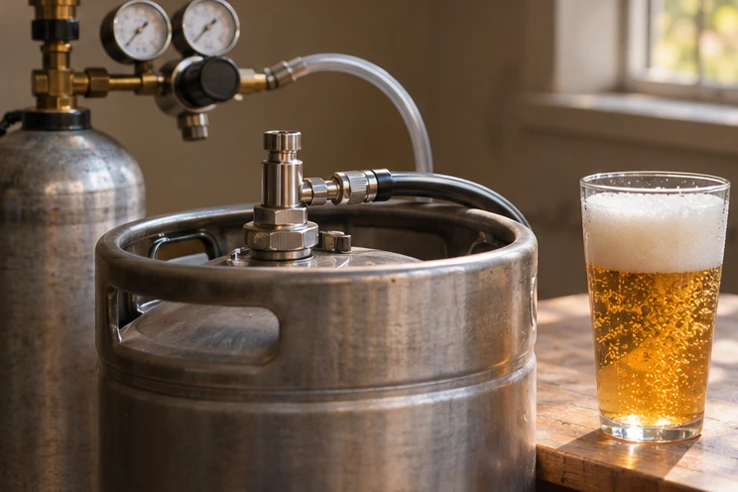
Homebrewing
How to Fix Overcarbonated Beer in a Keg
For overcarbonated beer in a keg, first confirm that excessive dissolved carbon dioxide is the problem. Warm lines, dispensing restrictions and an unsuitable pressure balance can…
Read the guide →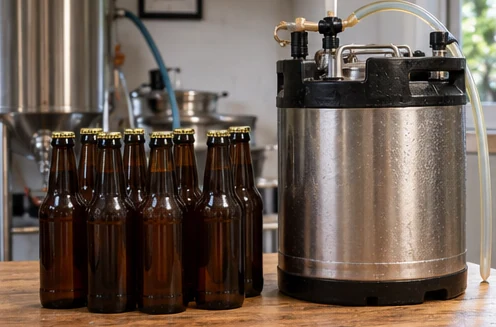
Homebrewing
How to Fix Flat Beer in Bottles or a Keg
Fix flat beer by identifying whether the problem is bottle conditioning, a leaking package or an incorrectly configured keg system. For bottles, check the conditioning conditions…
Read the guide →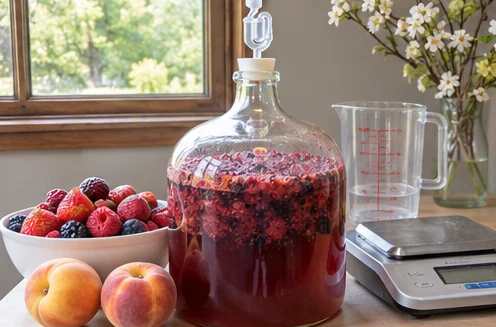
Homebrewing
How to Ferment Fruit into Alcohol: A Measured Approach
To ferment fruit into alcohol, choose a supported fruit-wine recipe, prepare suitable fruit or juice, pitch an appropriate living yeast culture and monitor the fermentation under…
Read the guide →